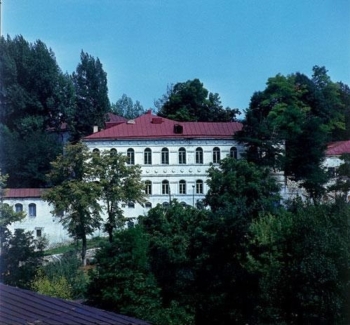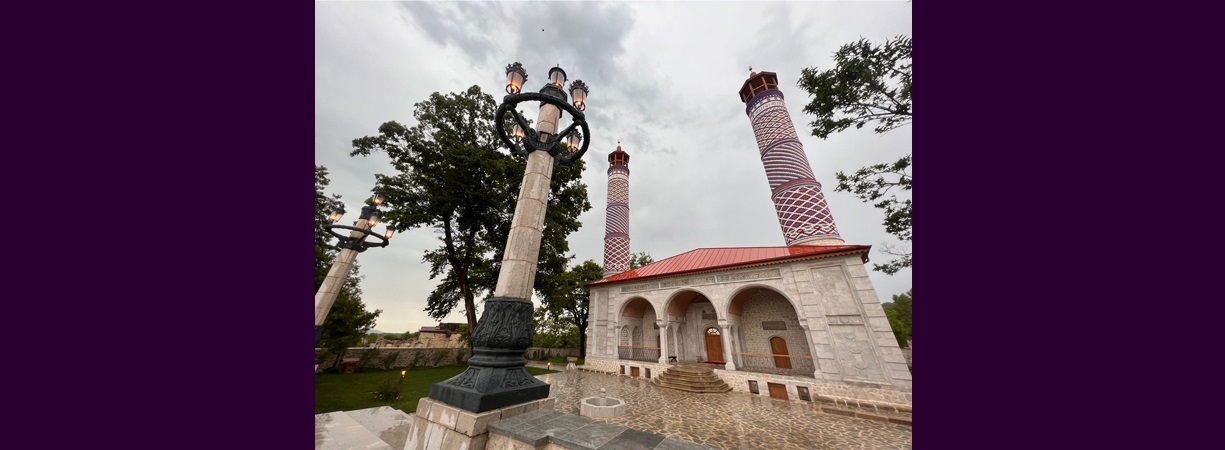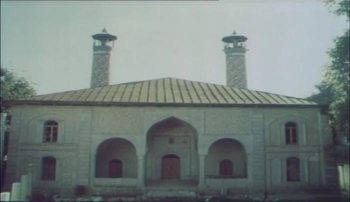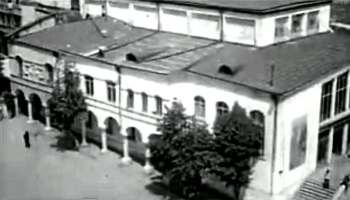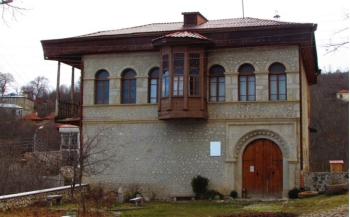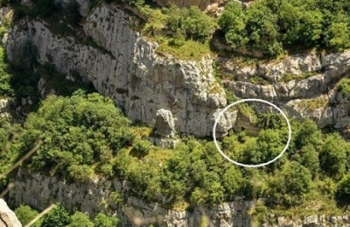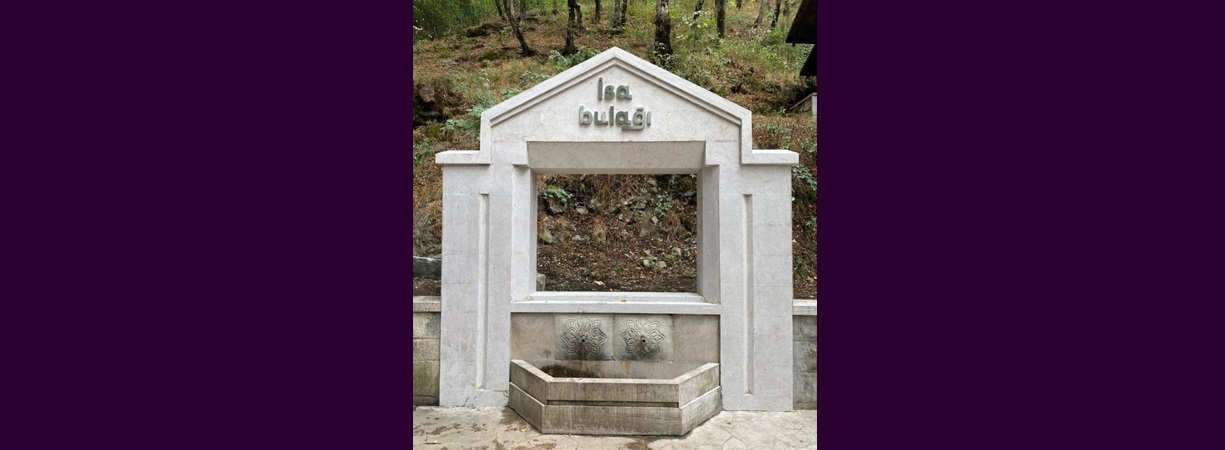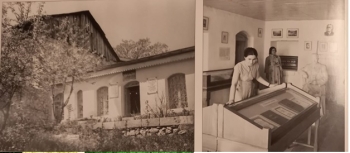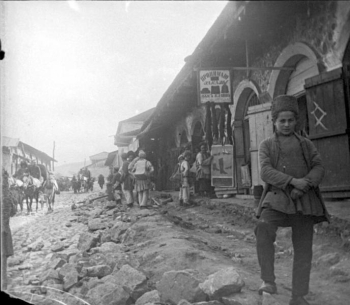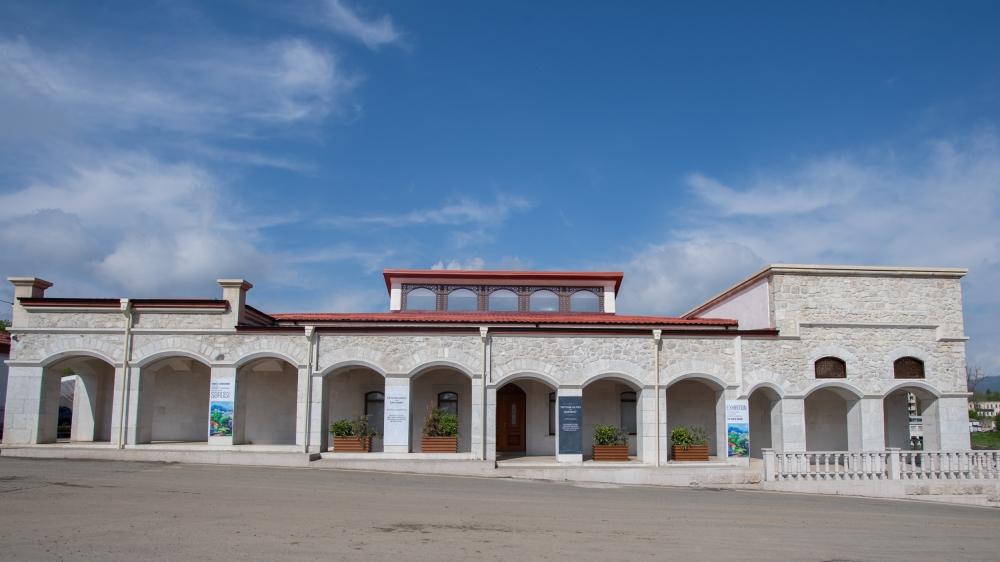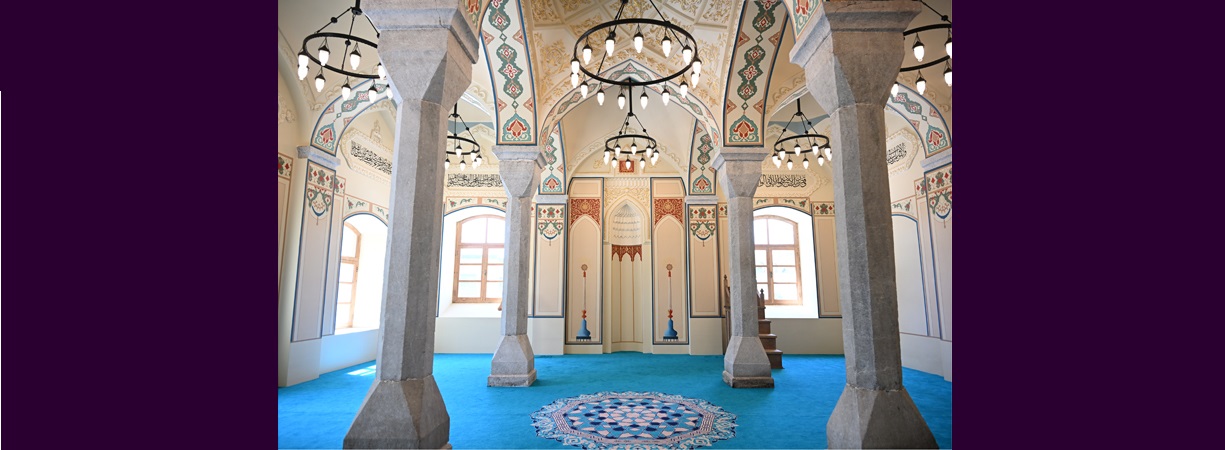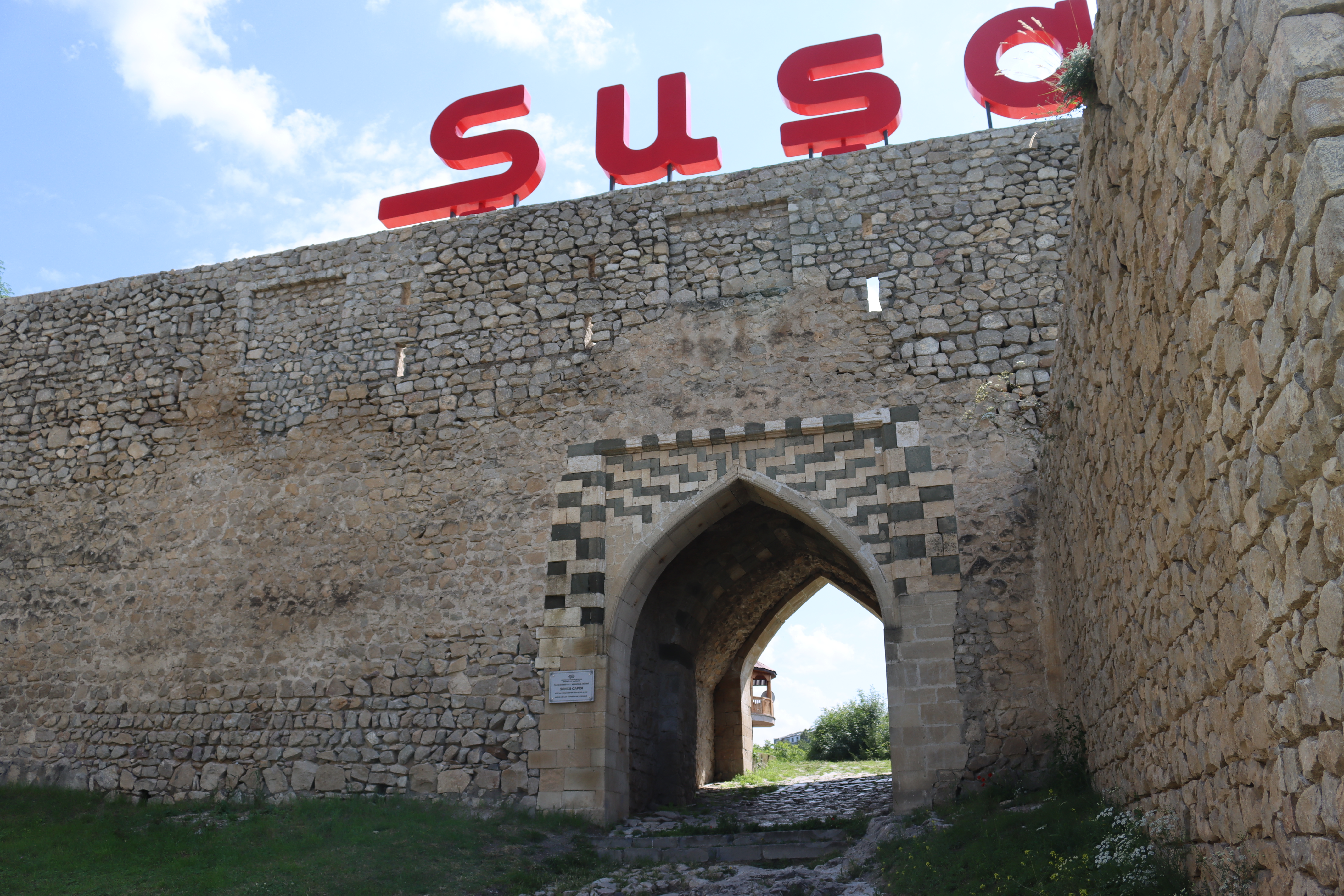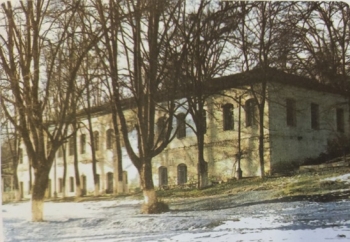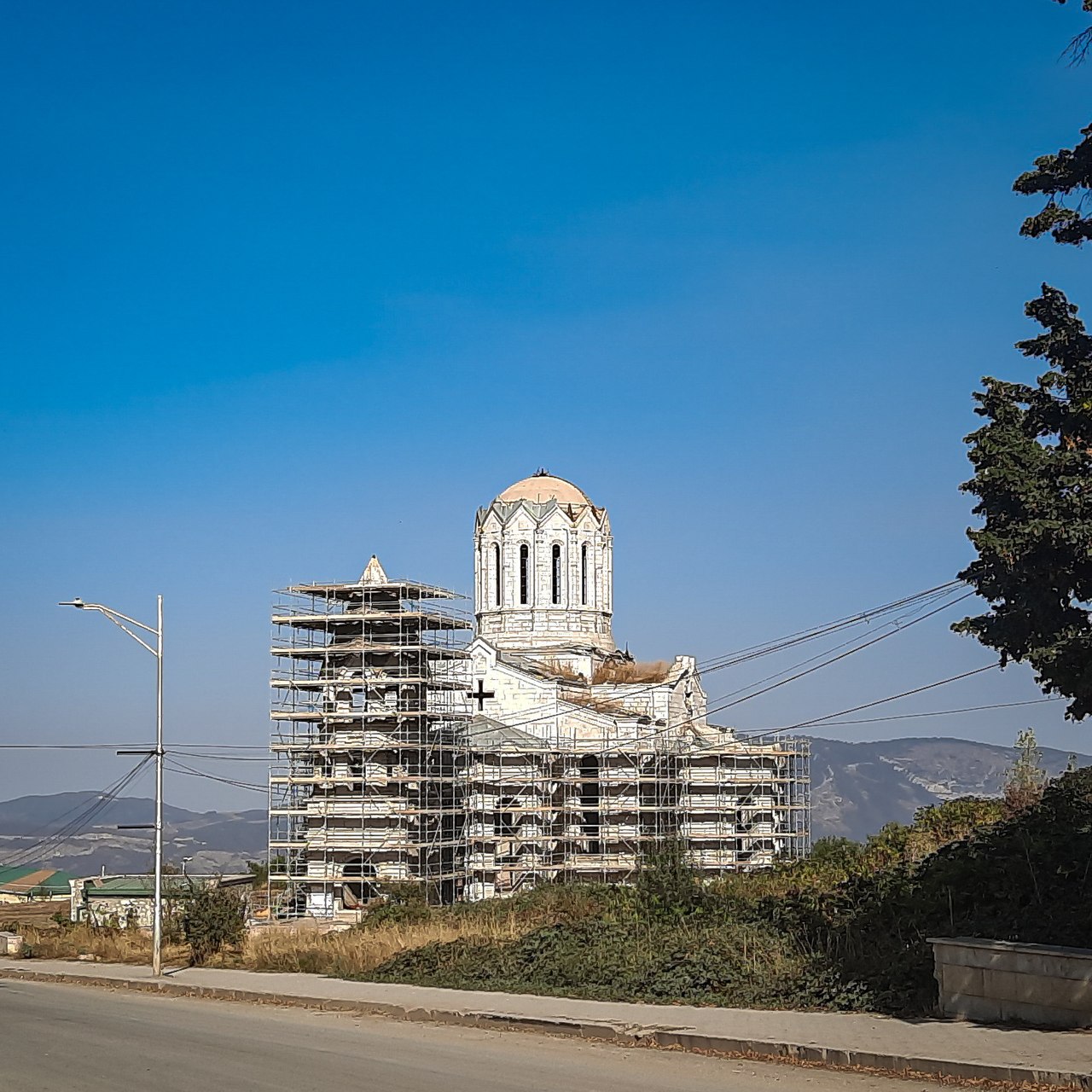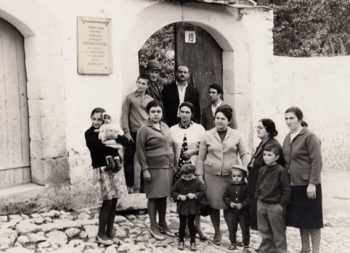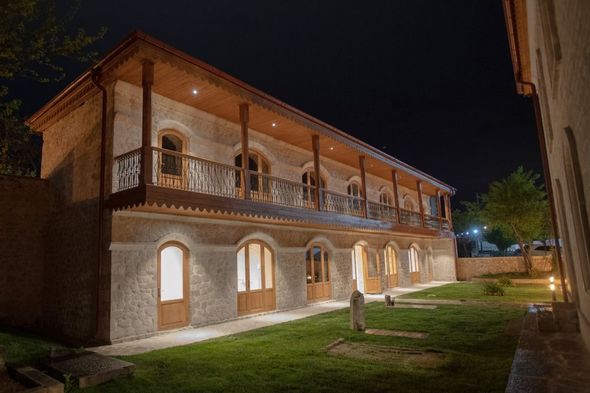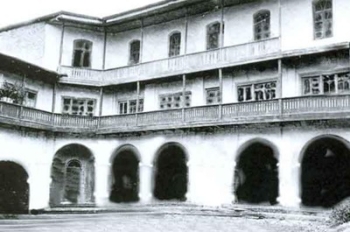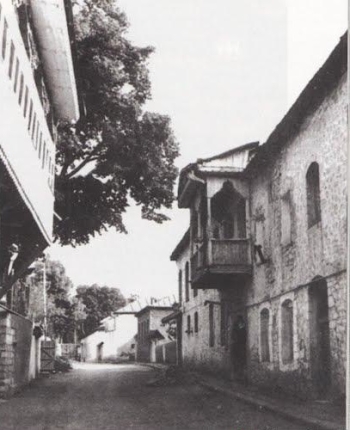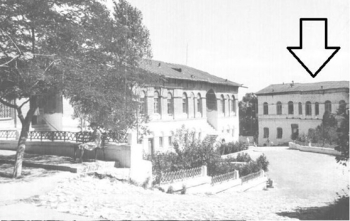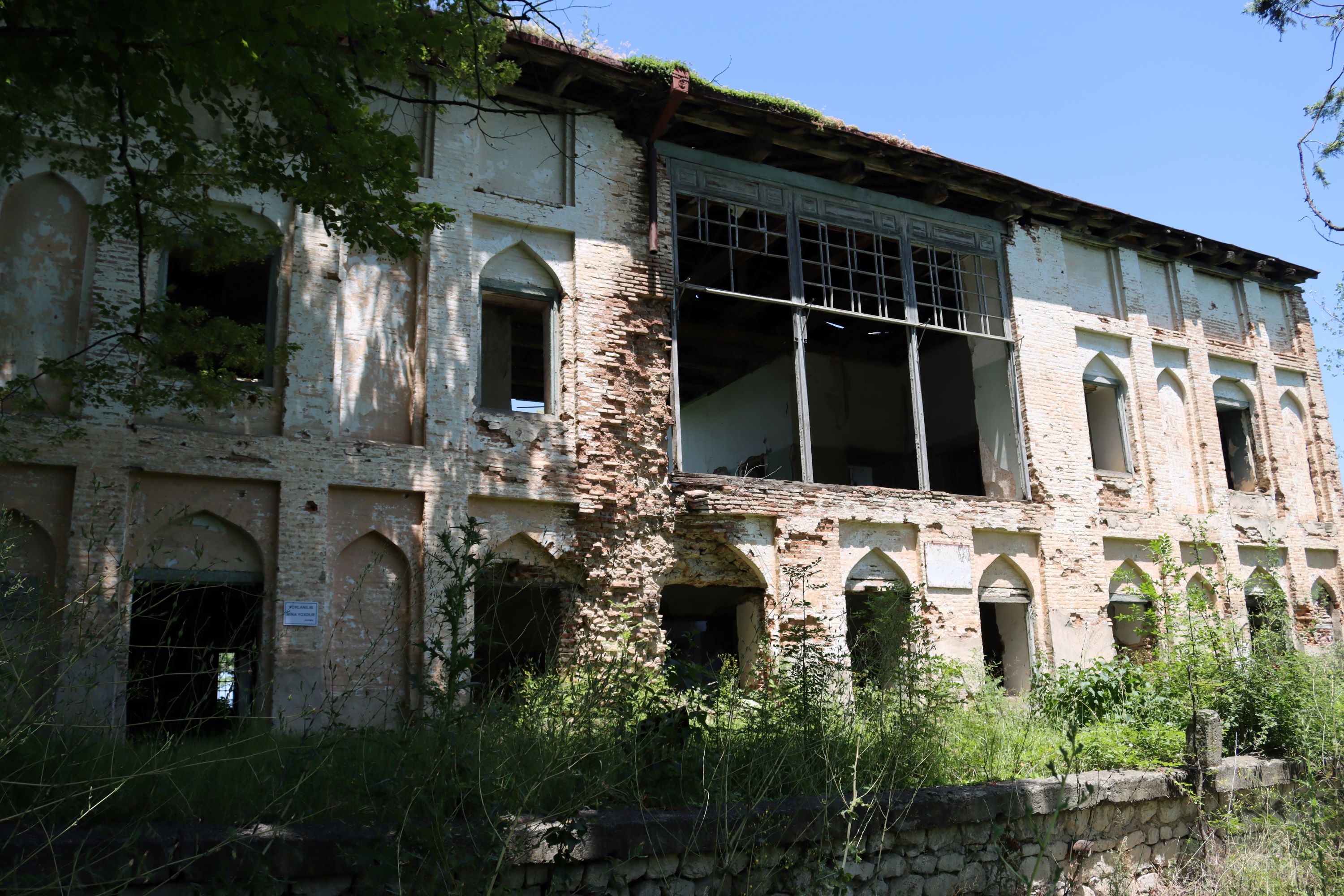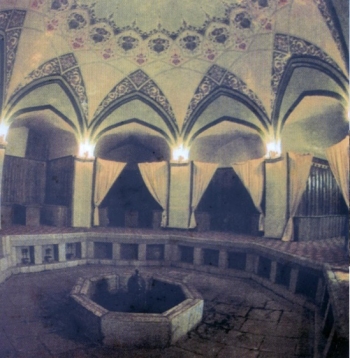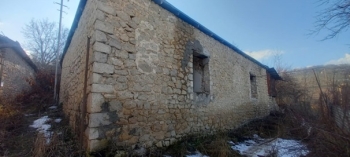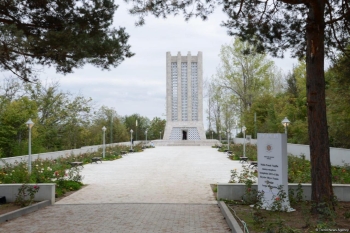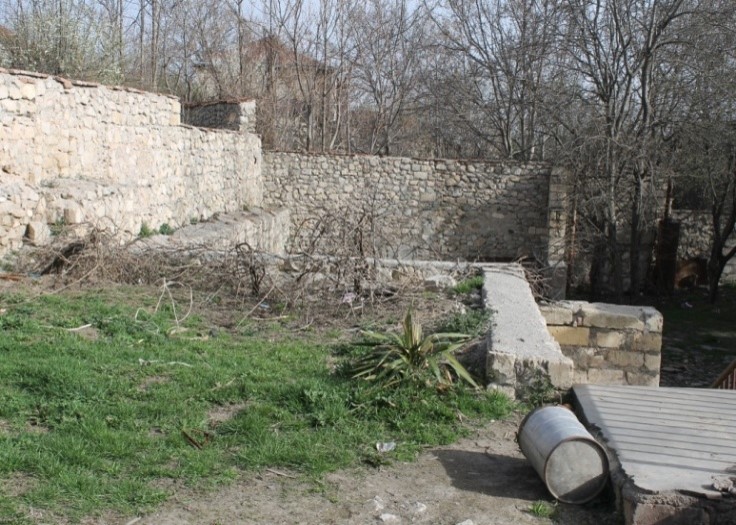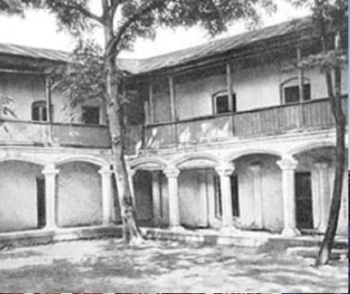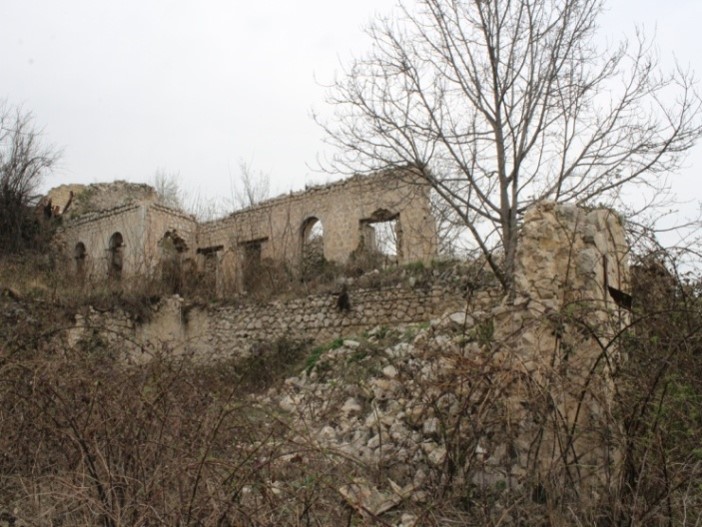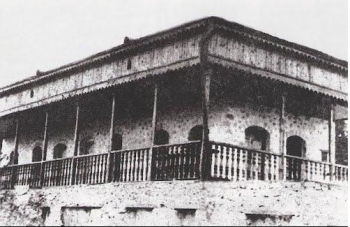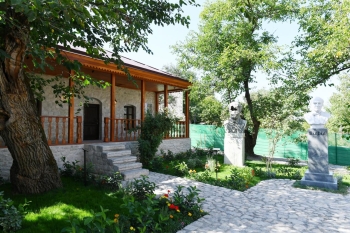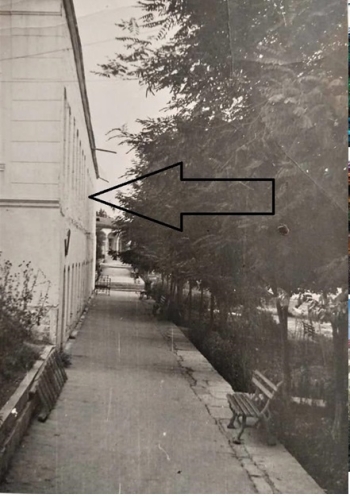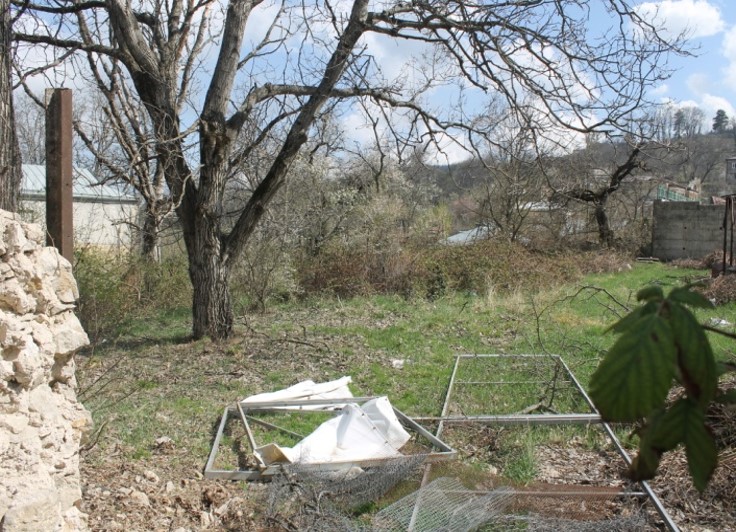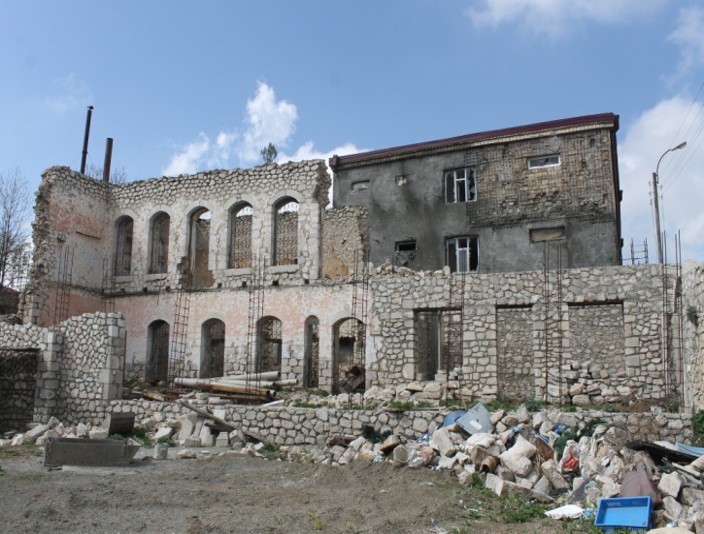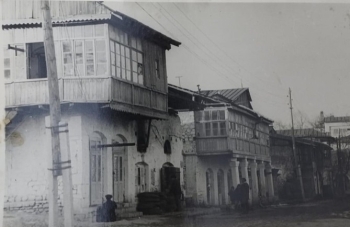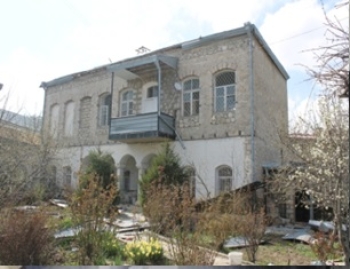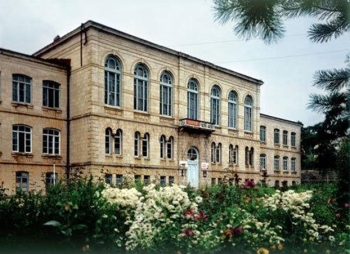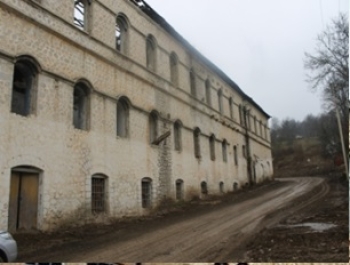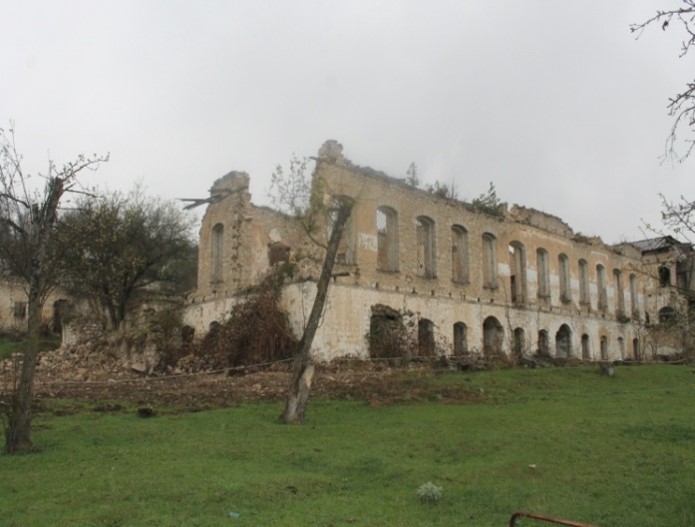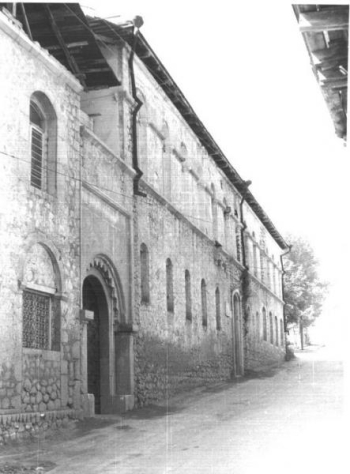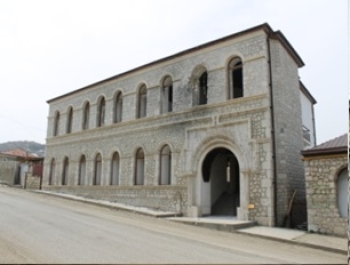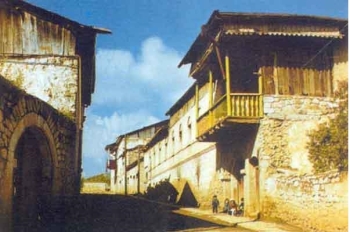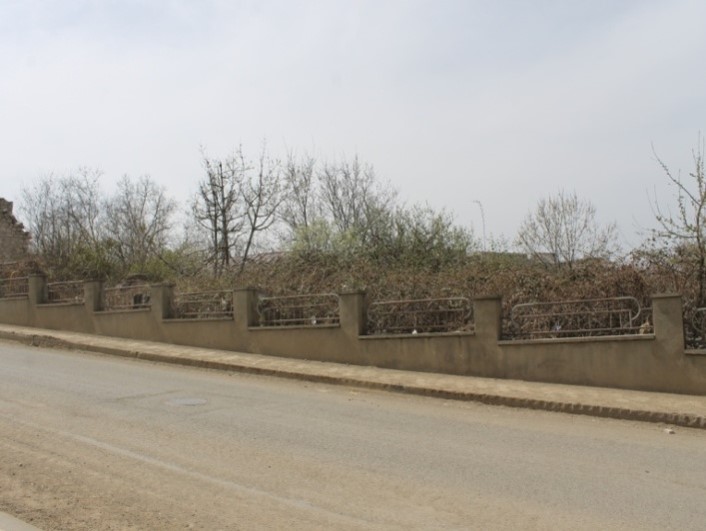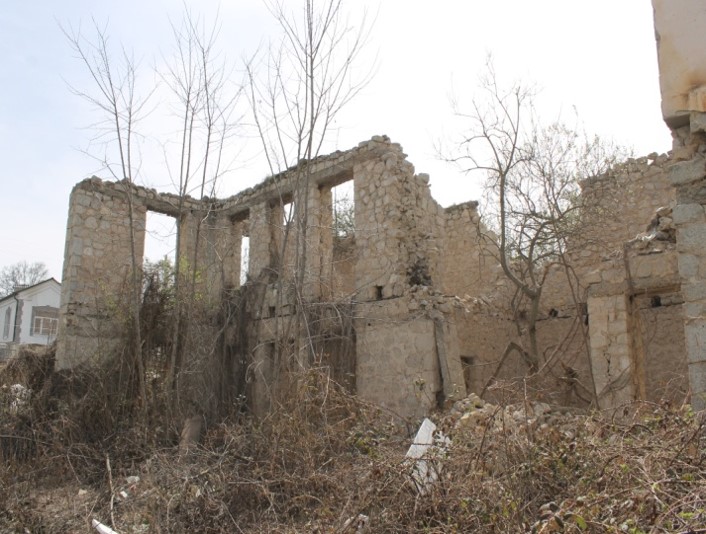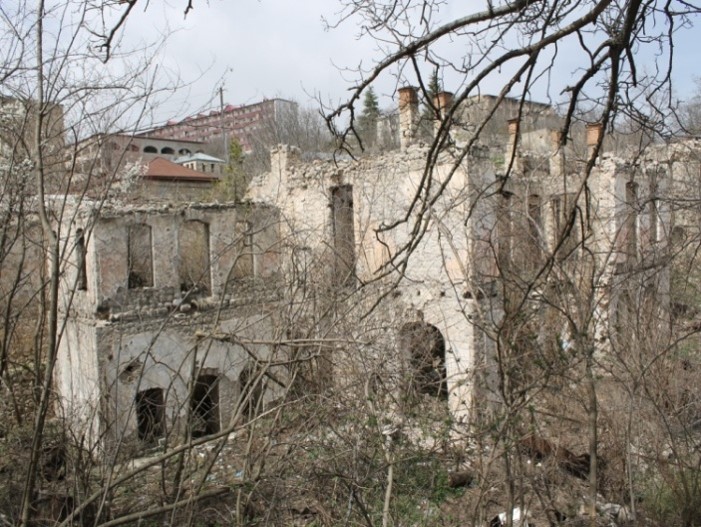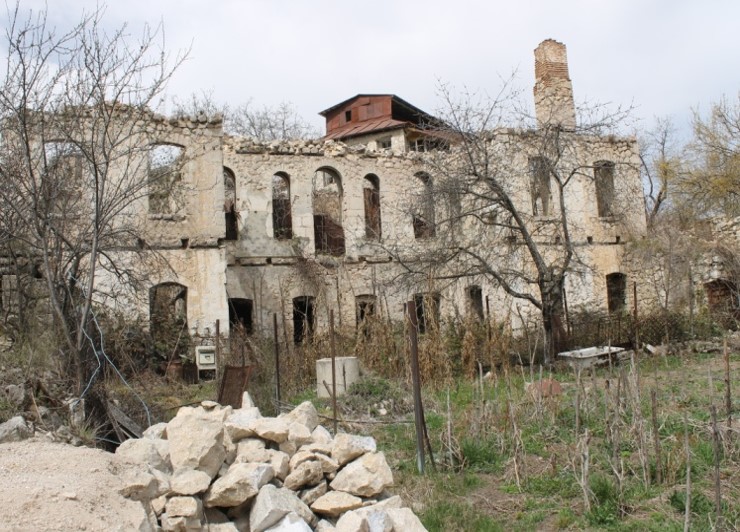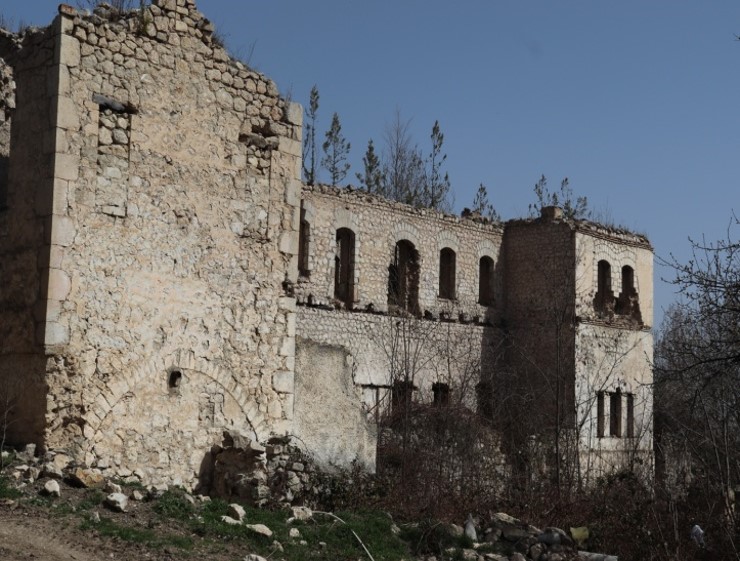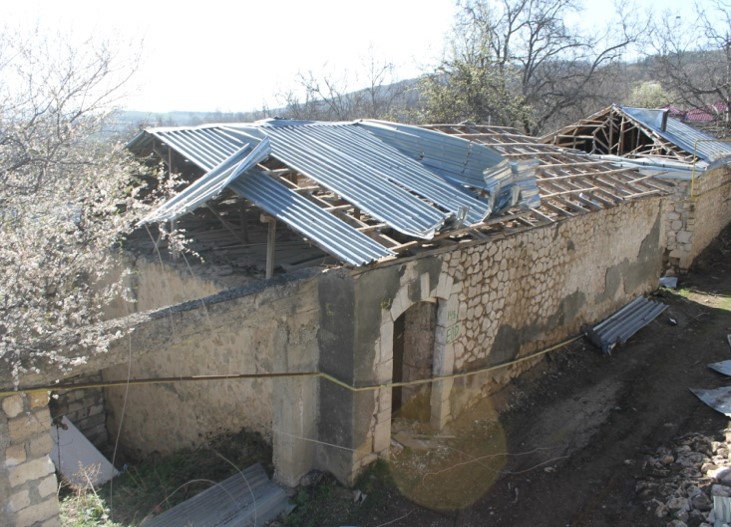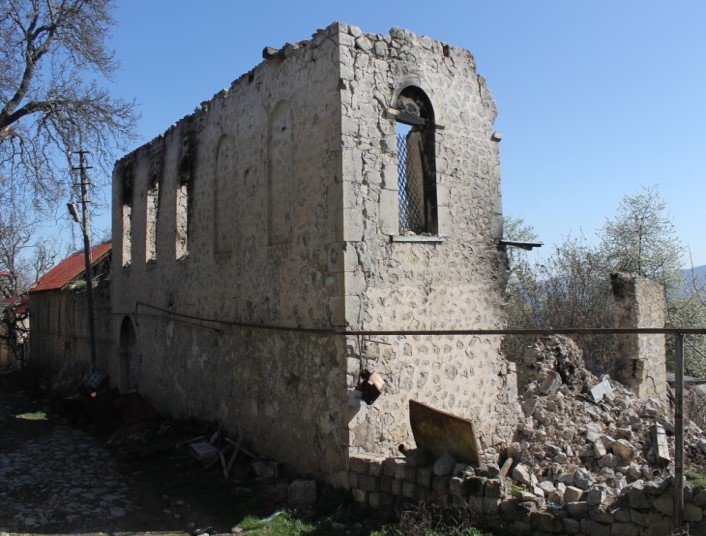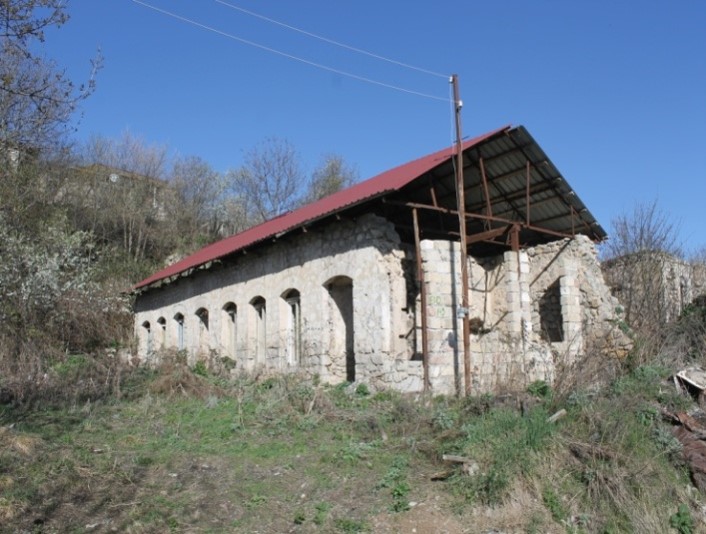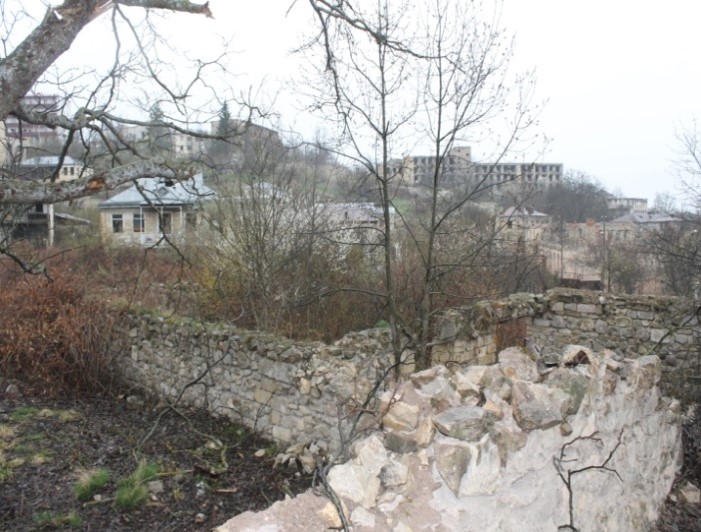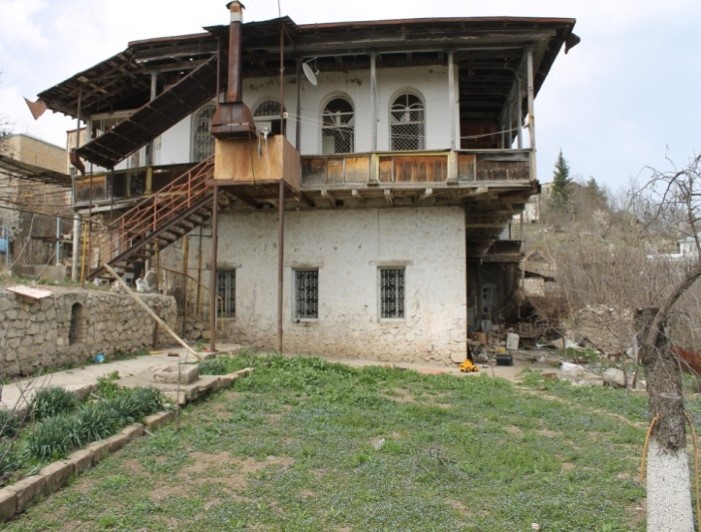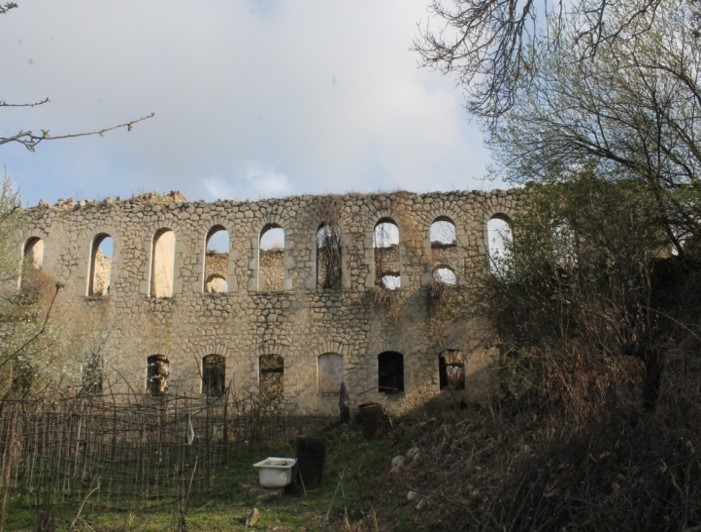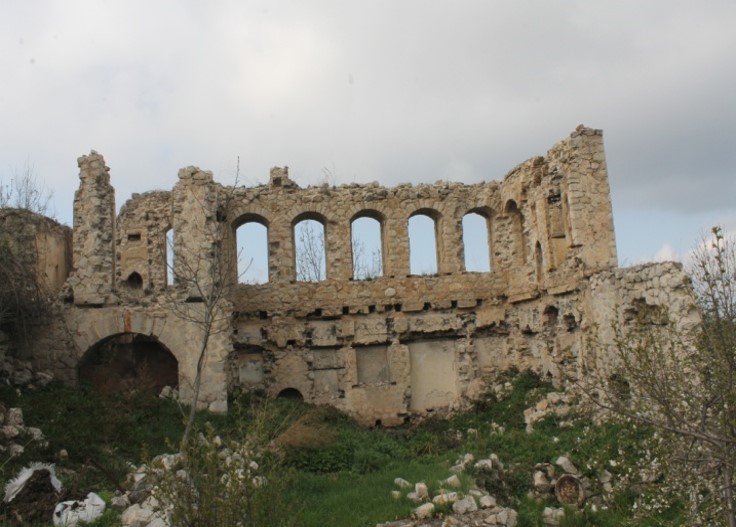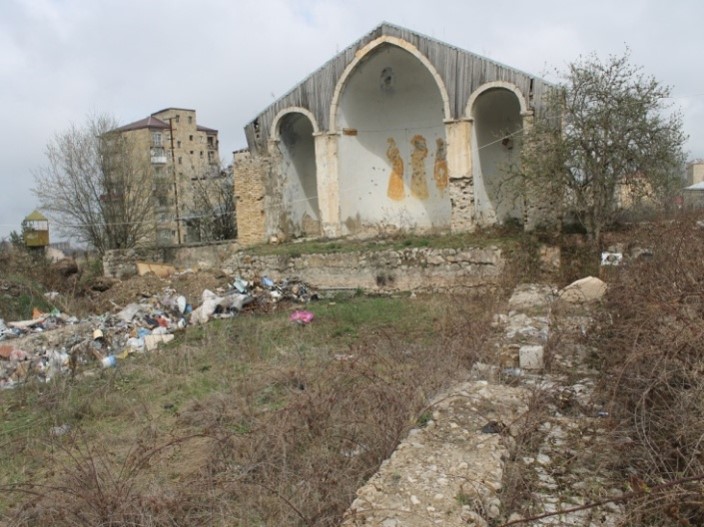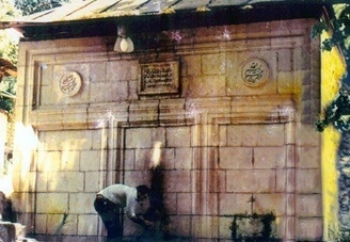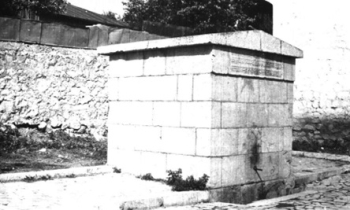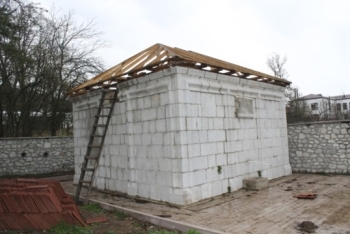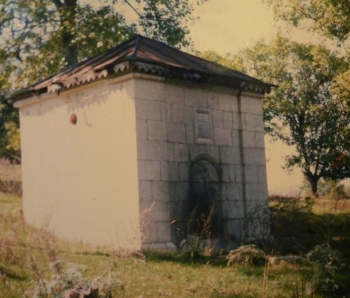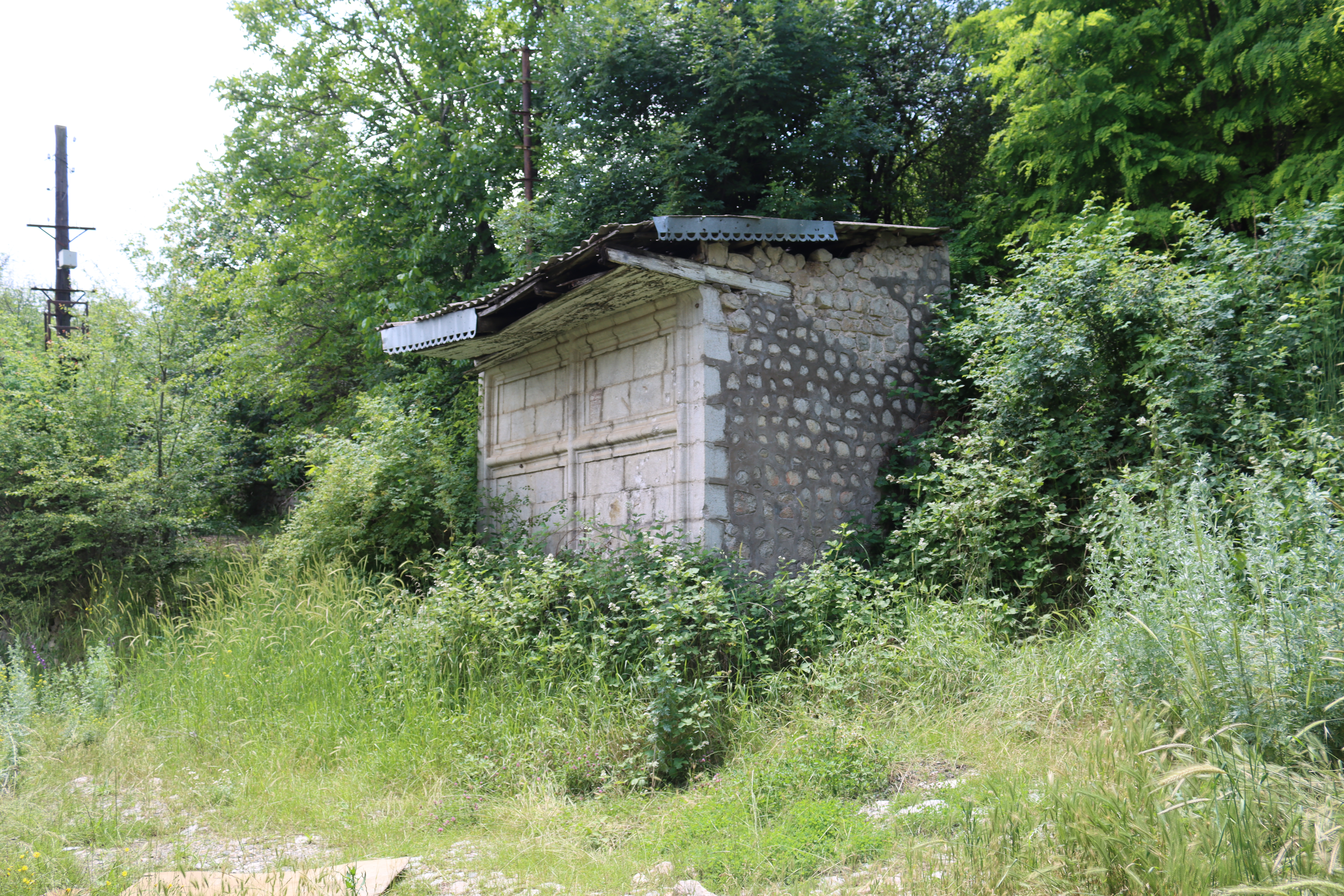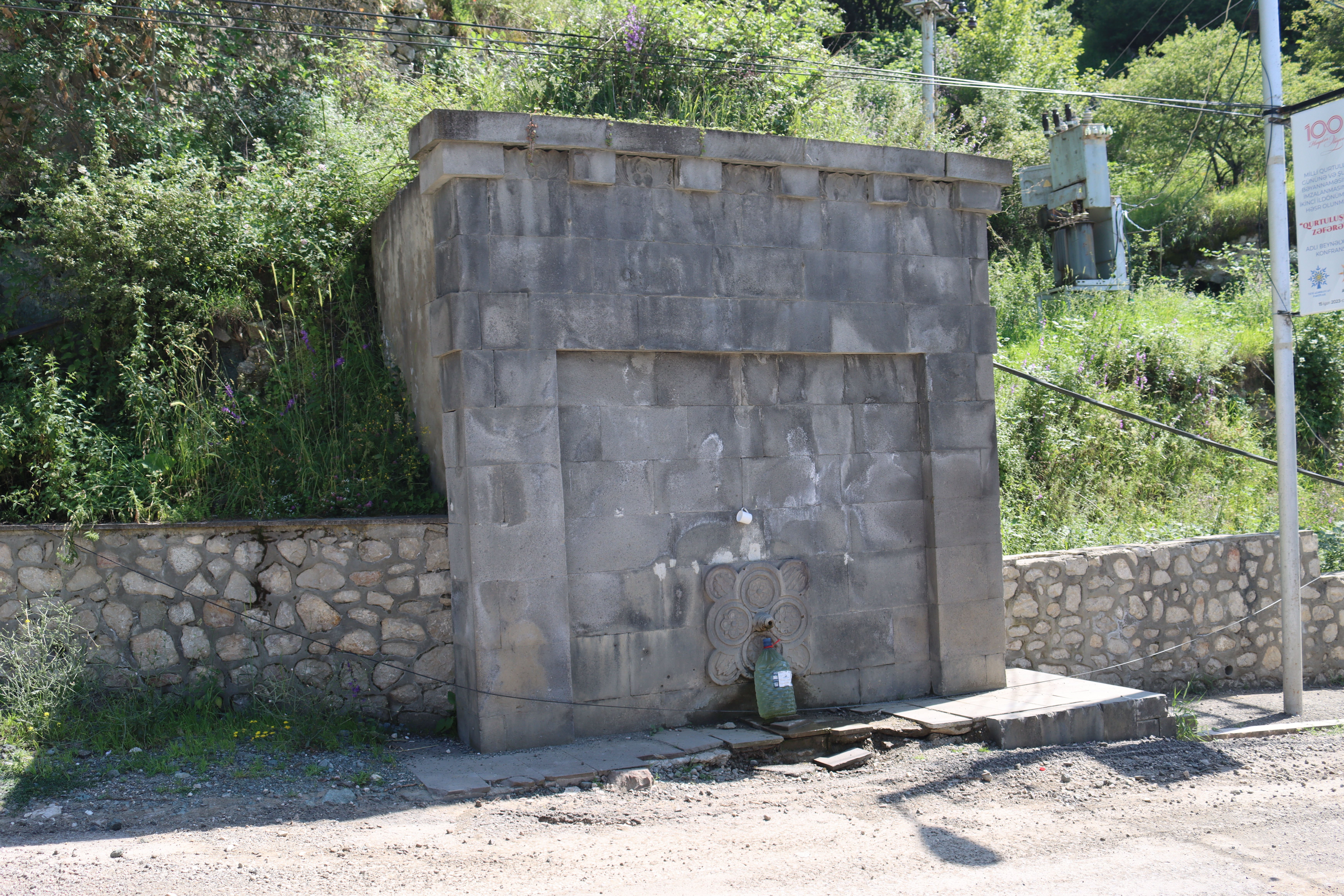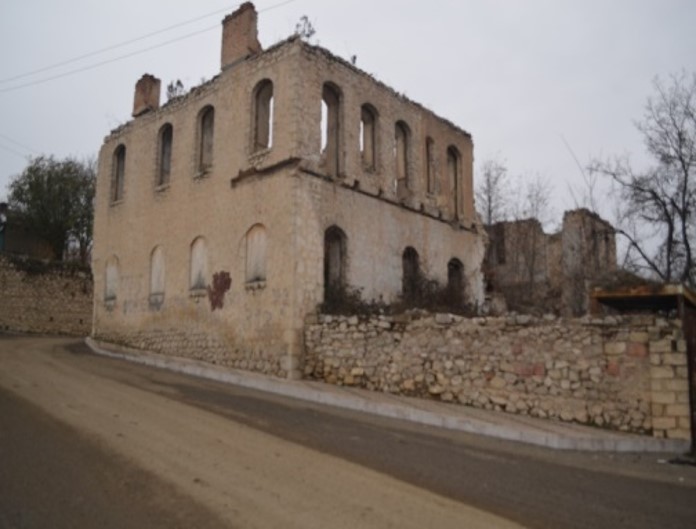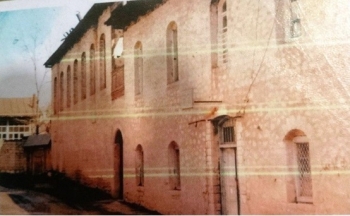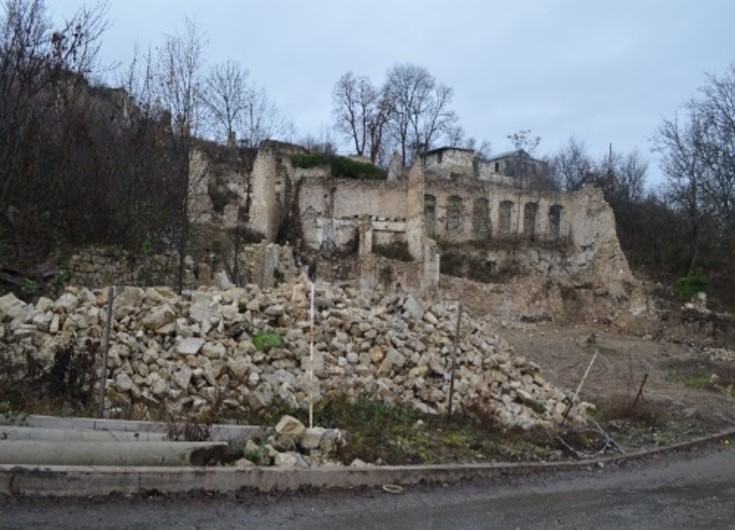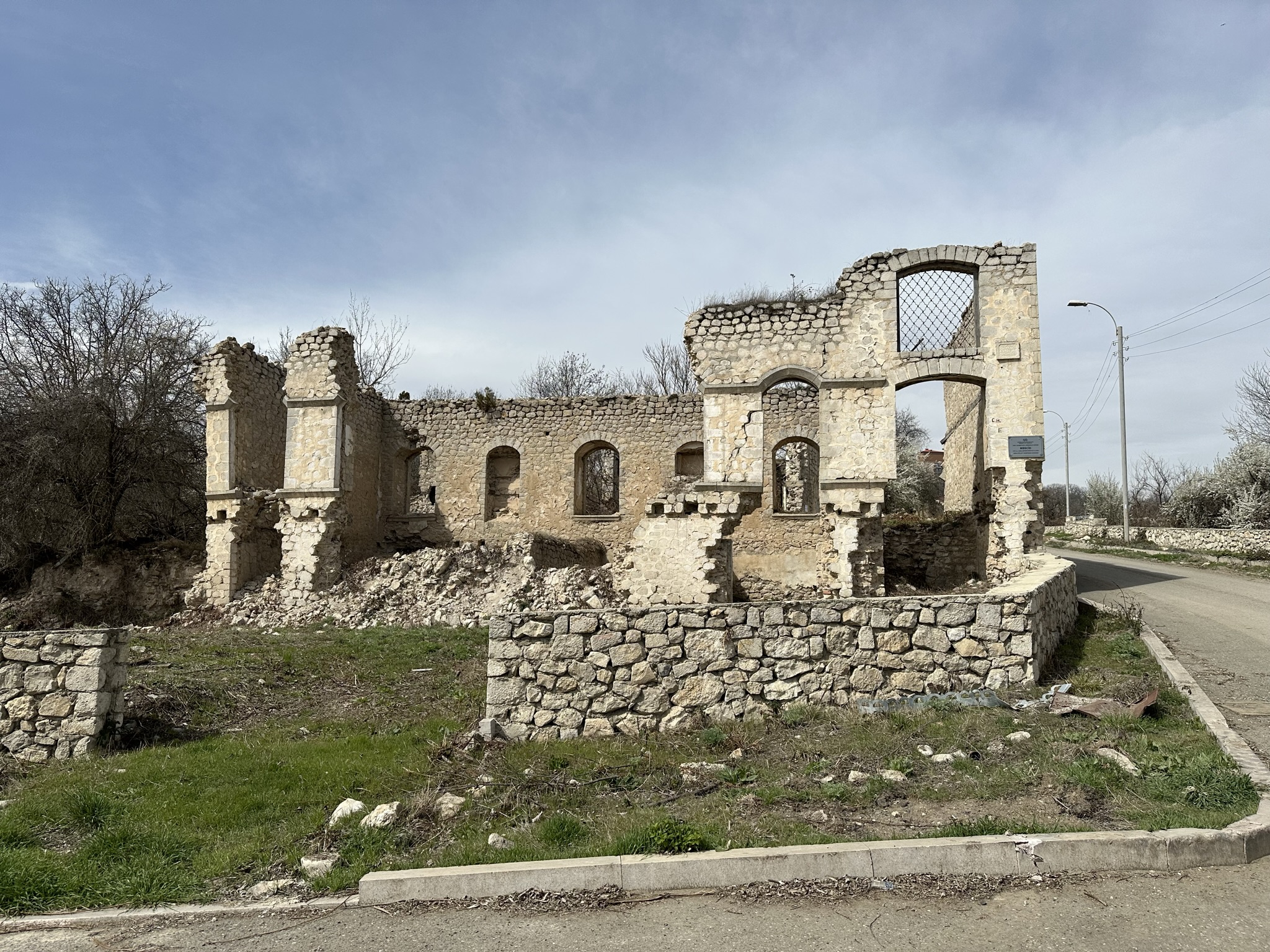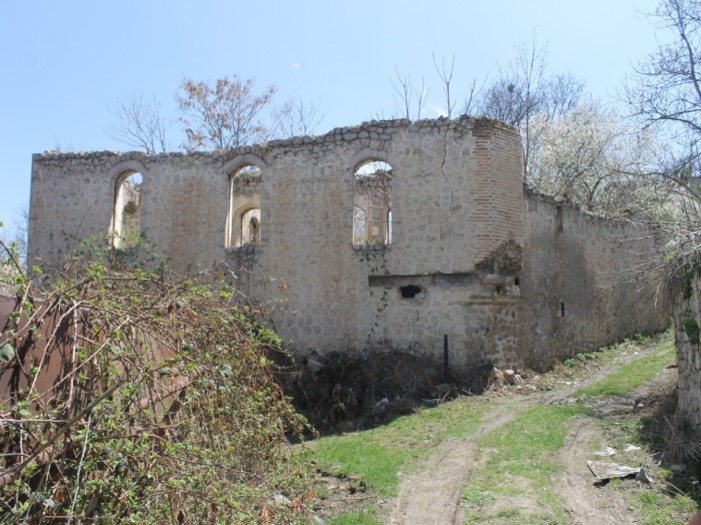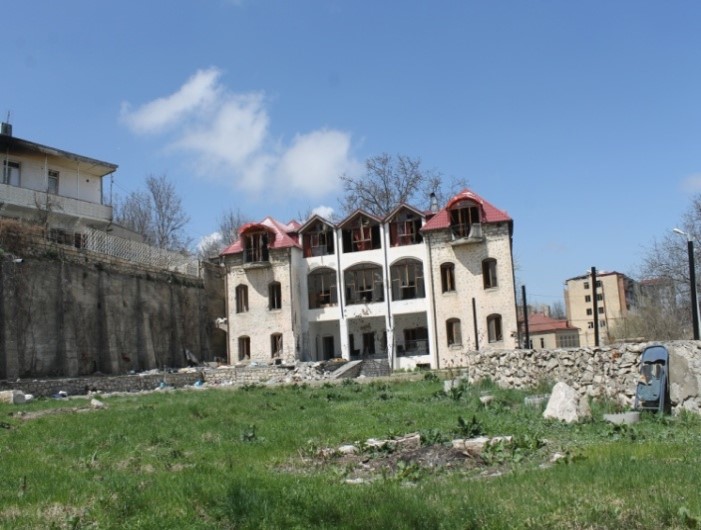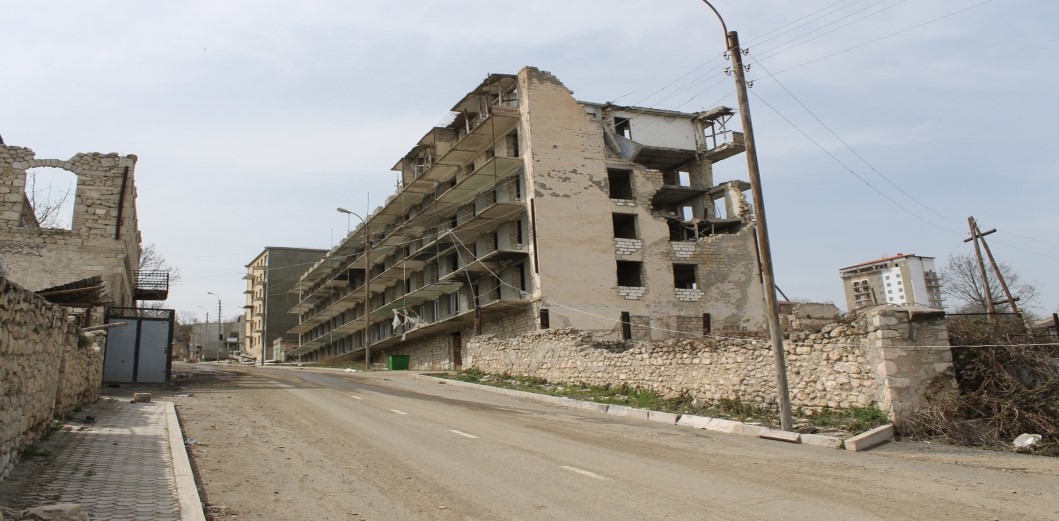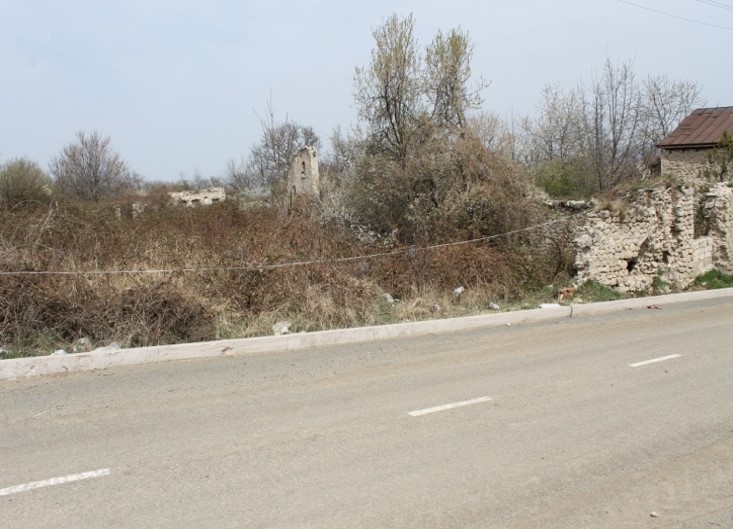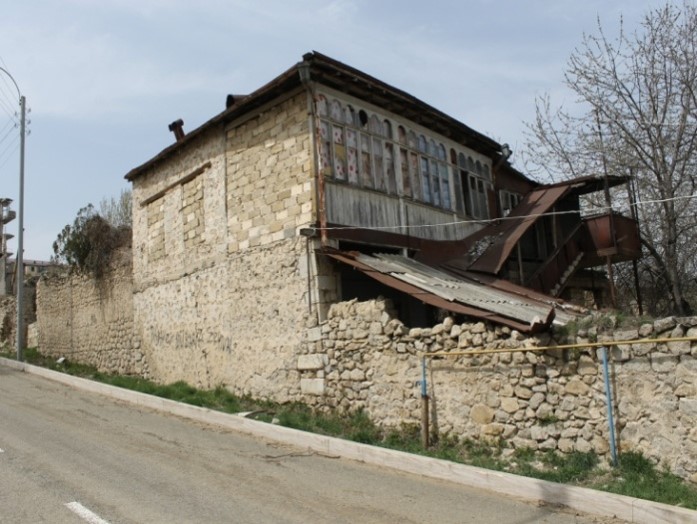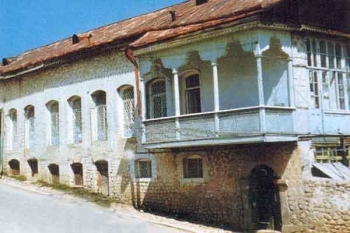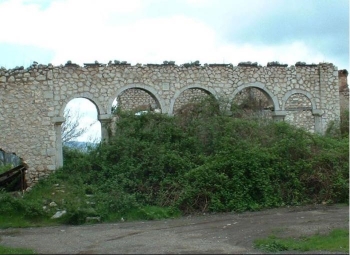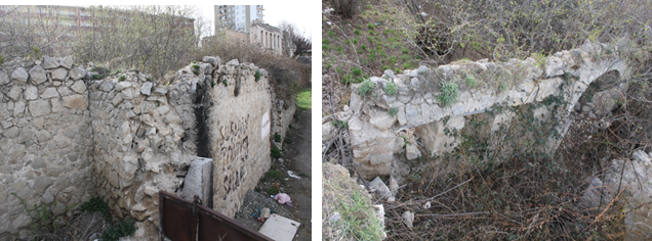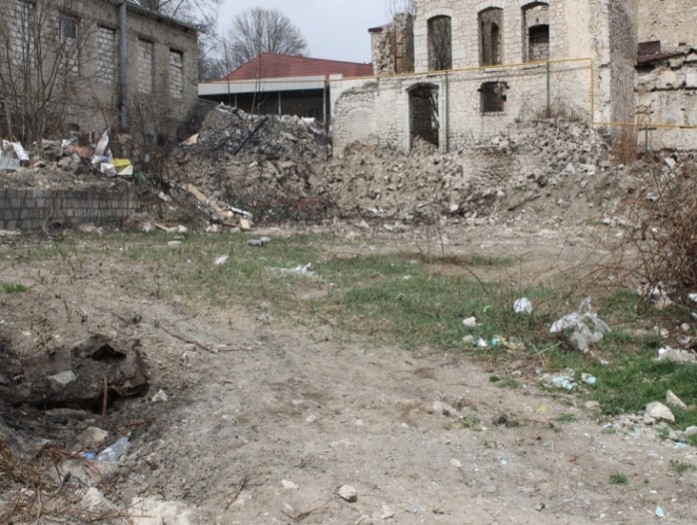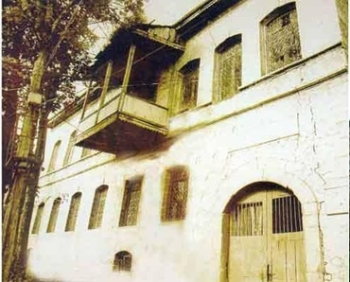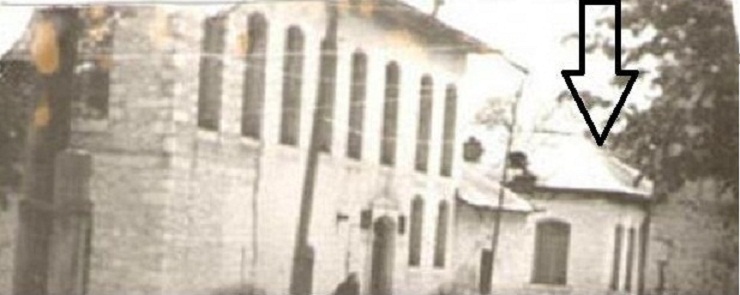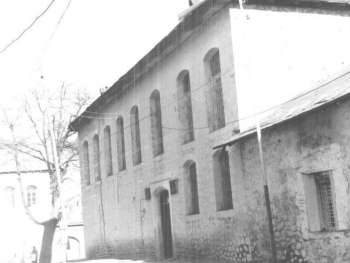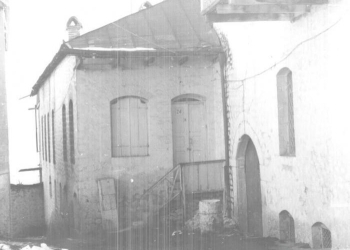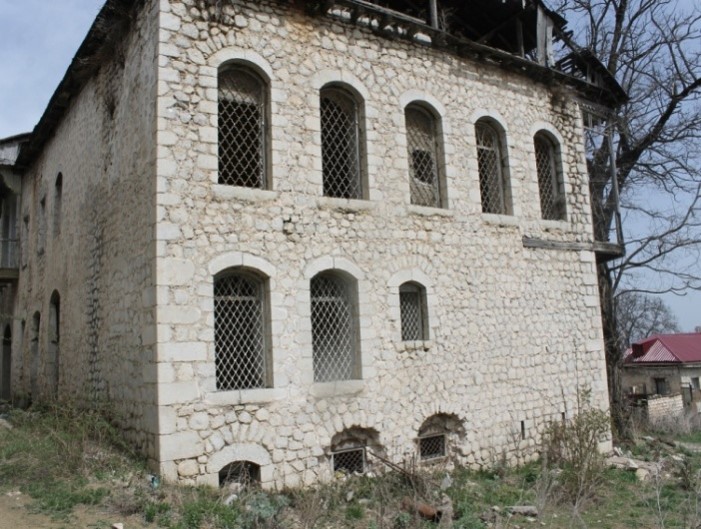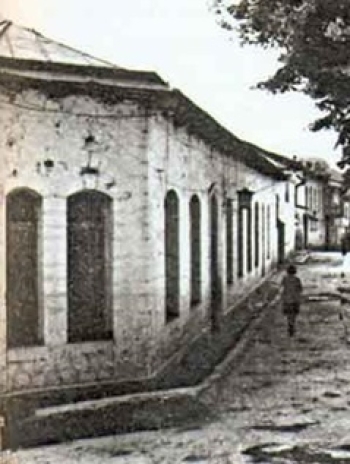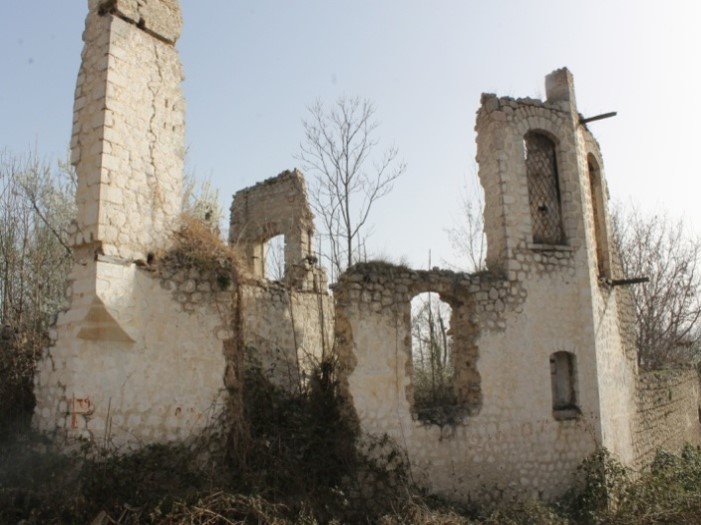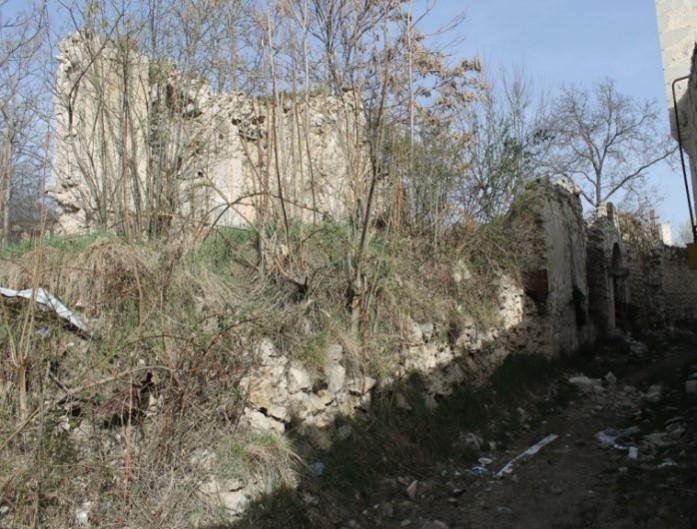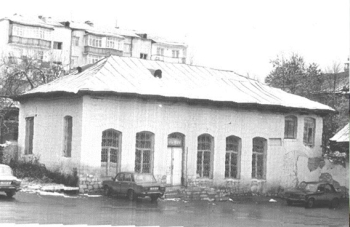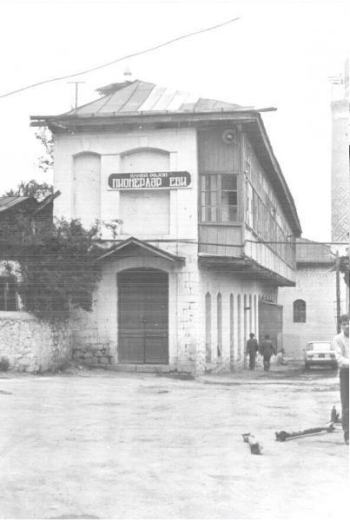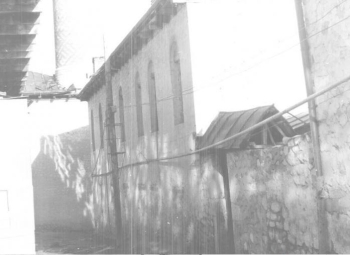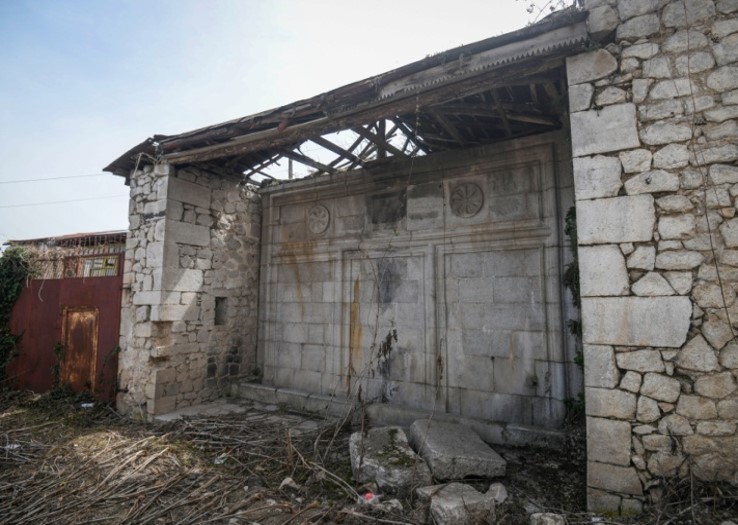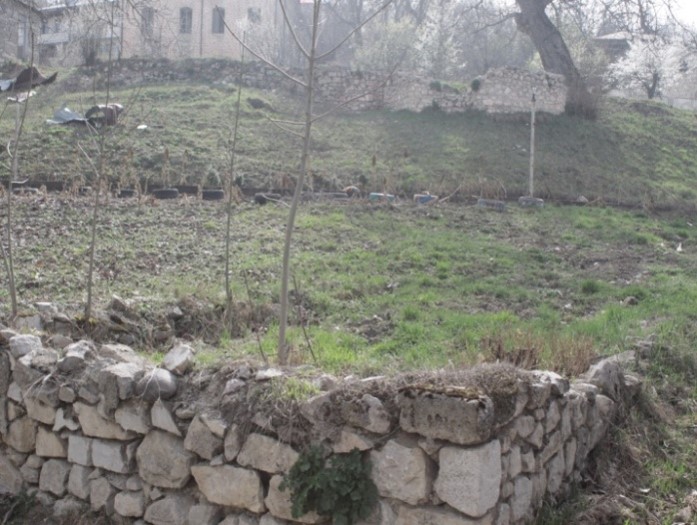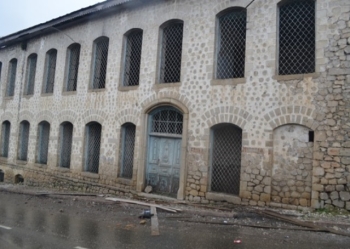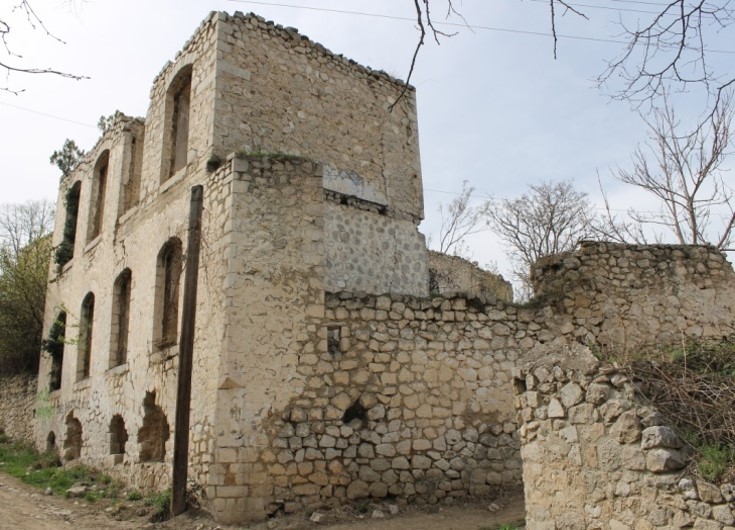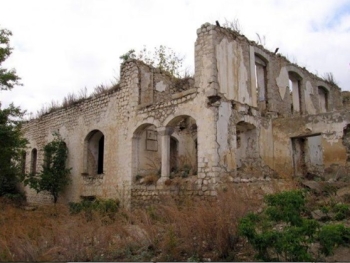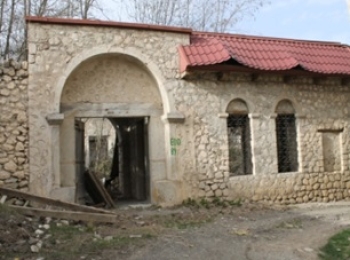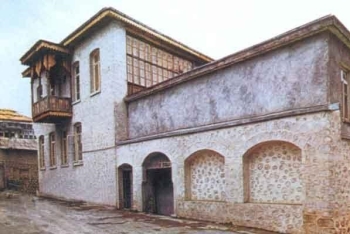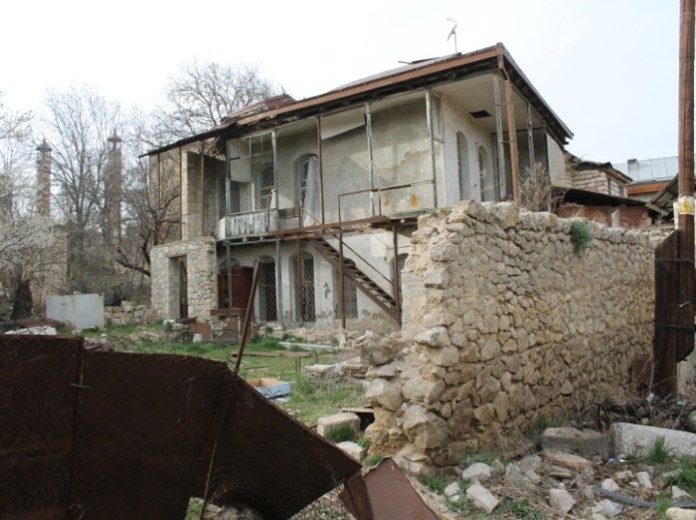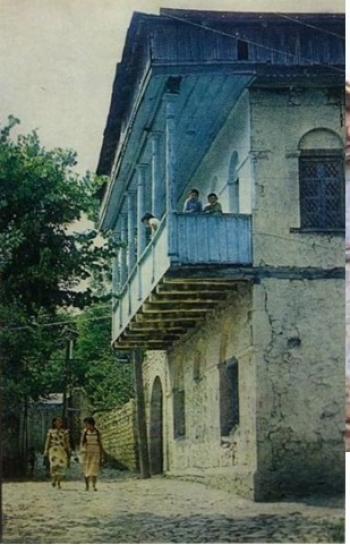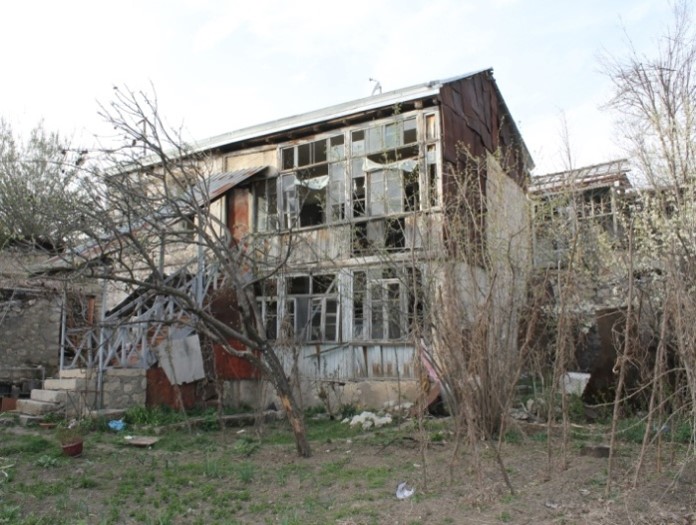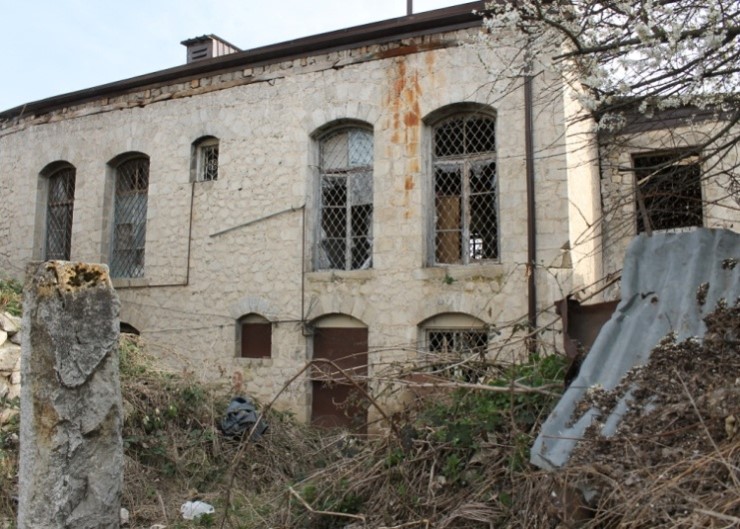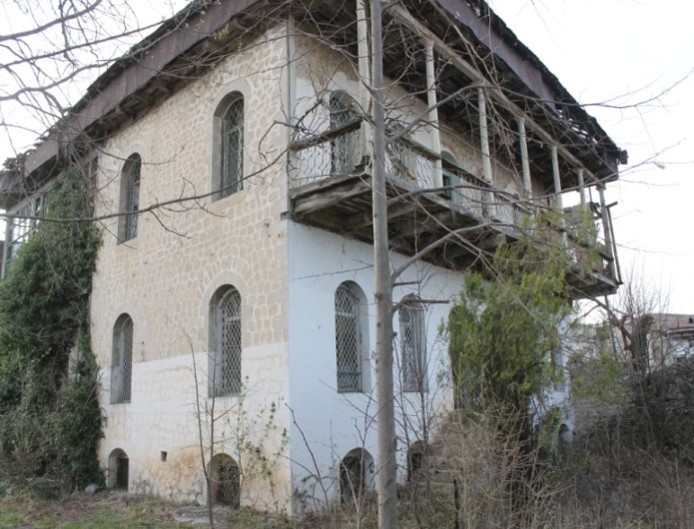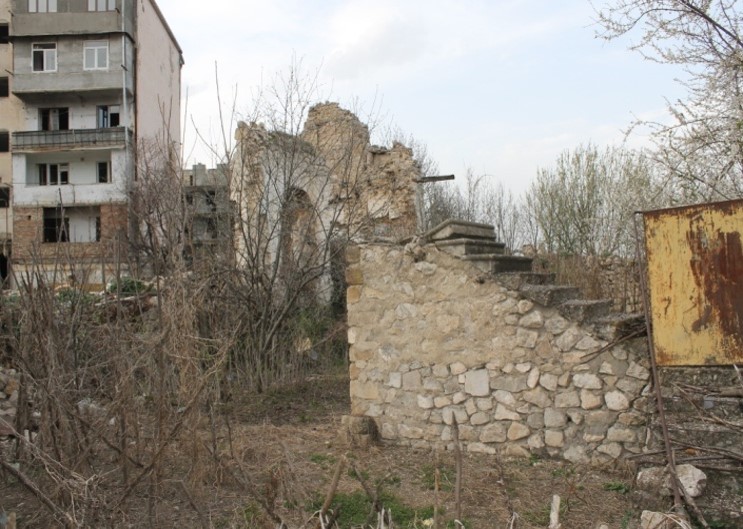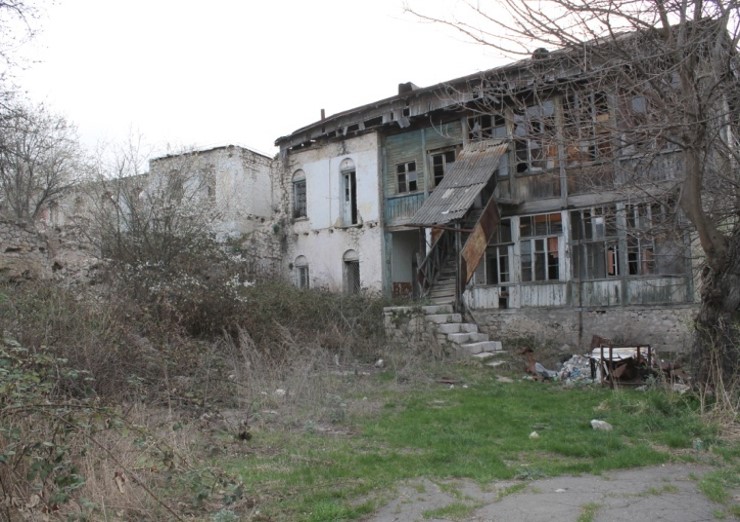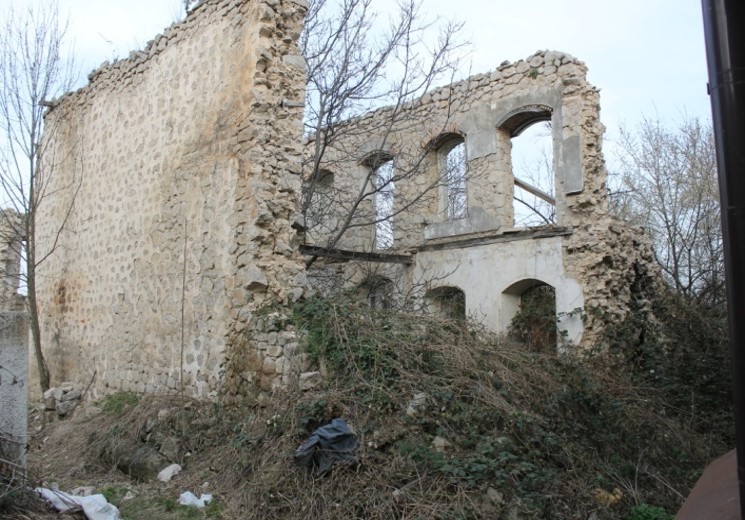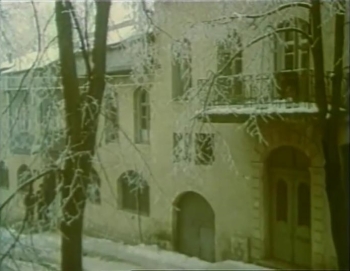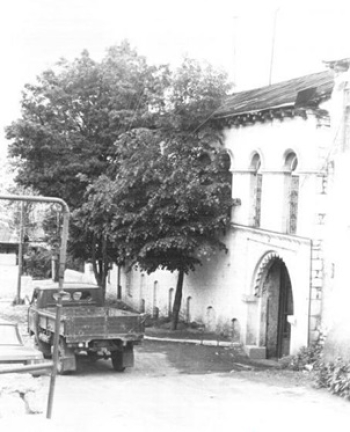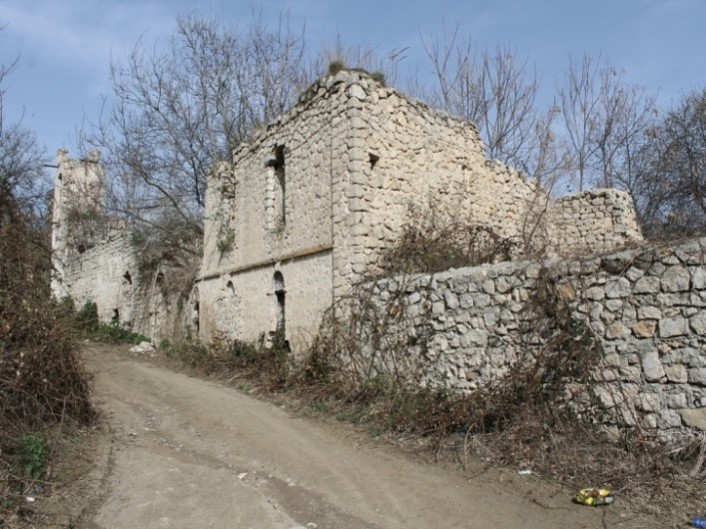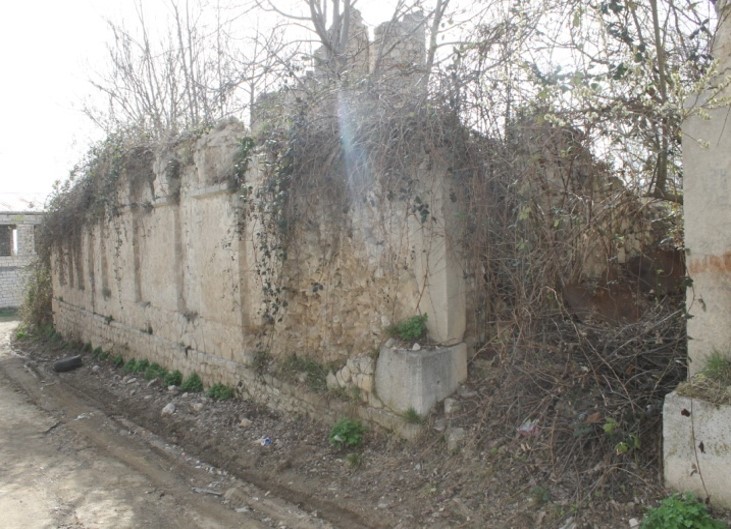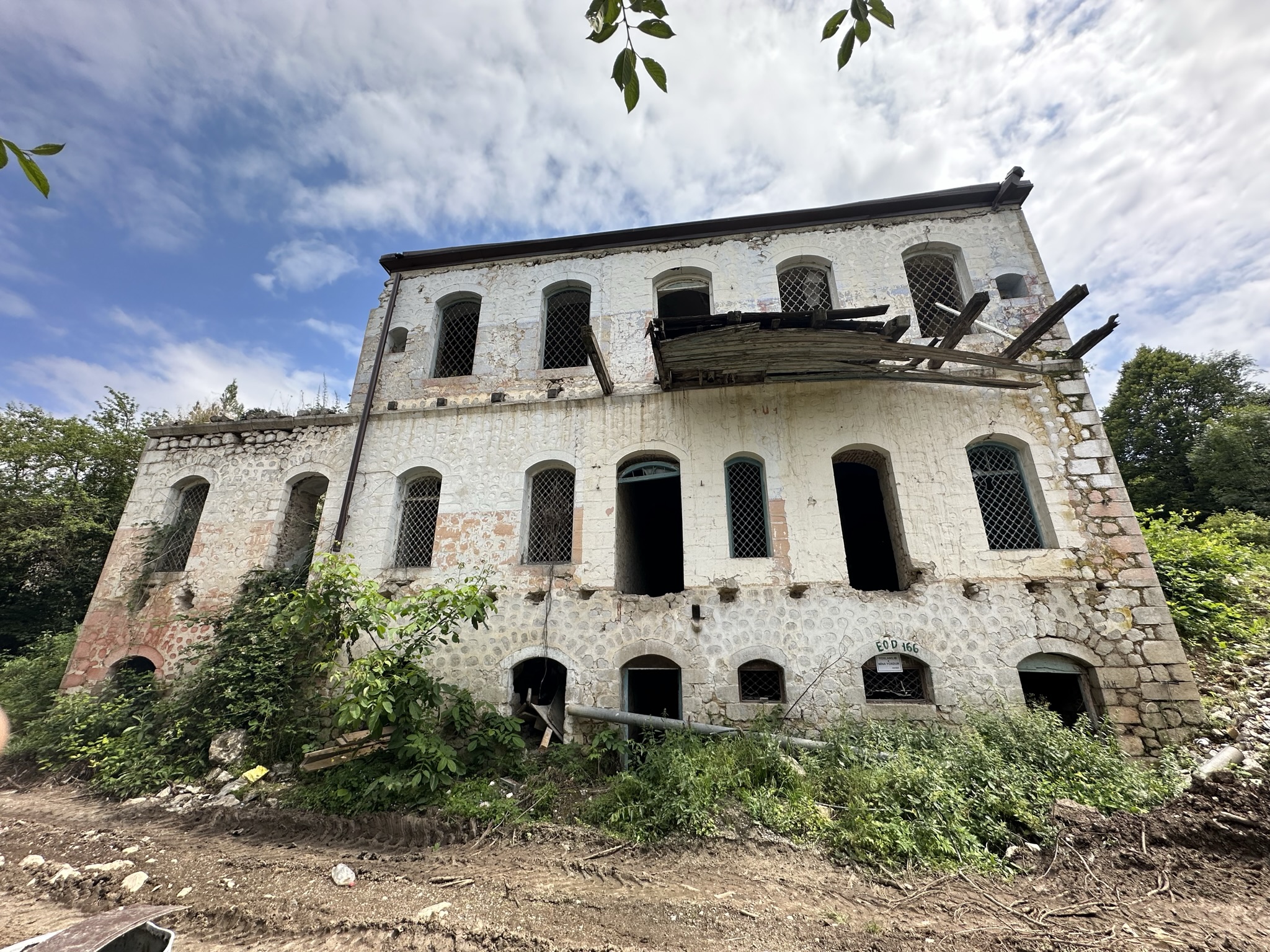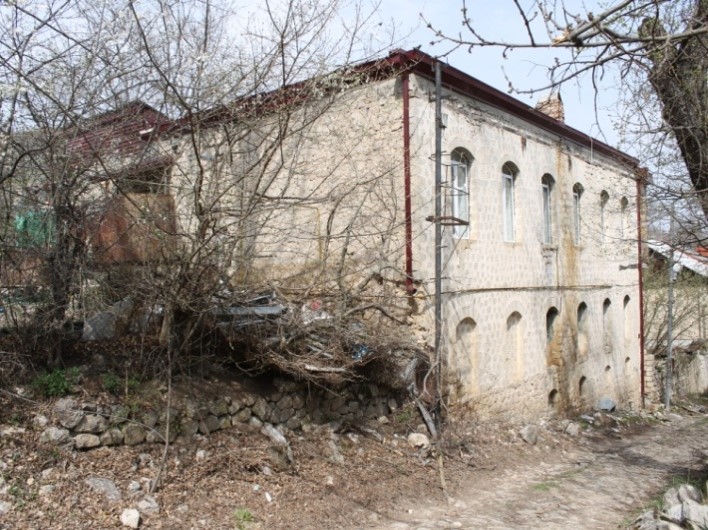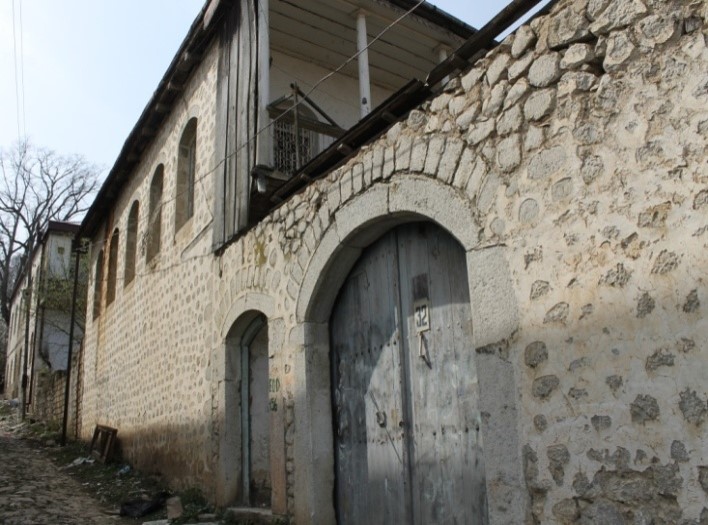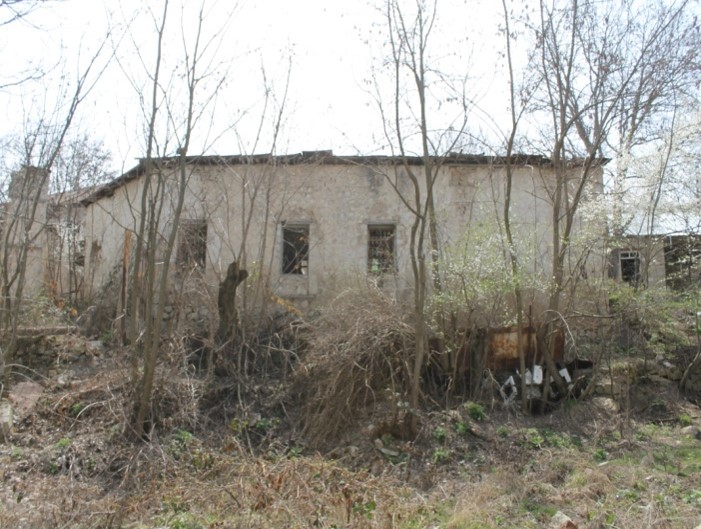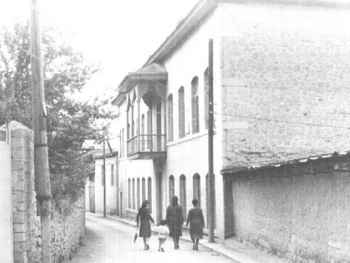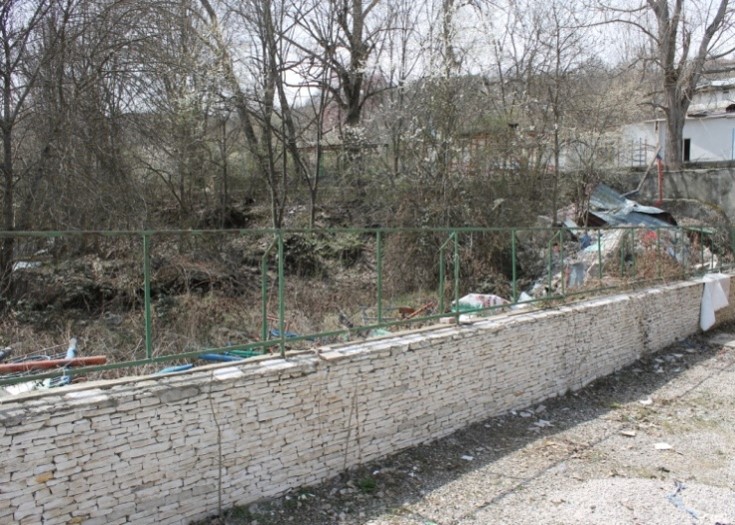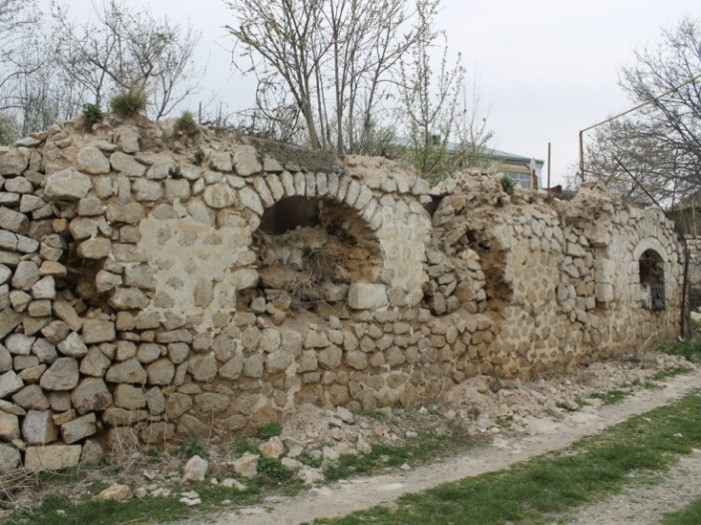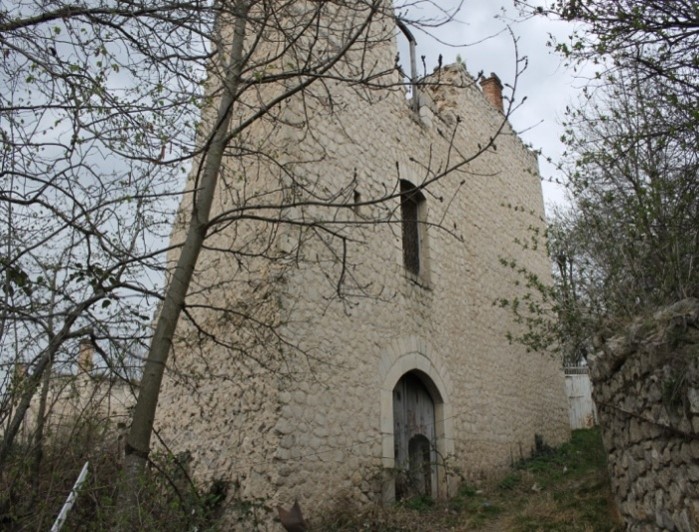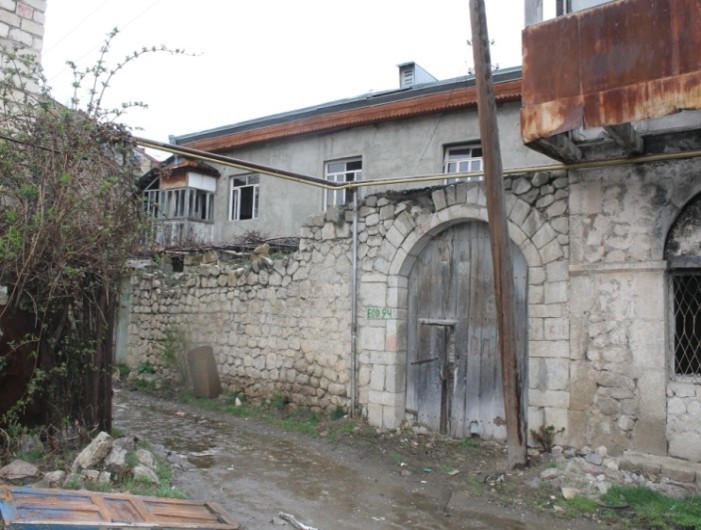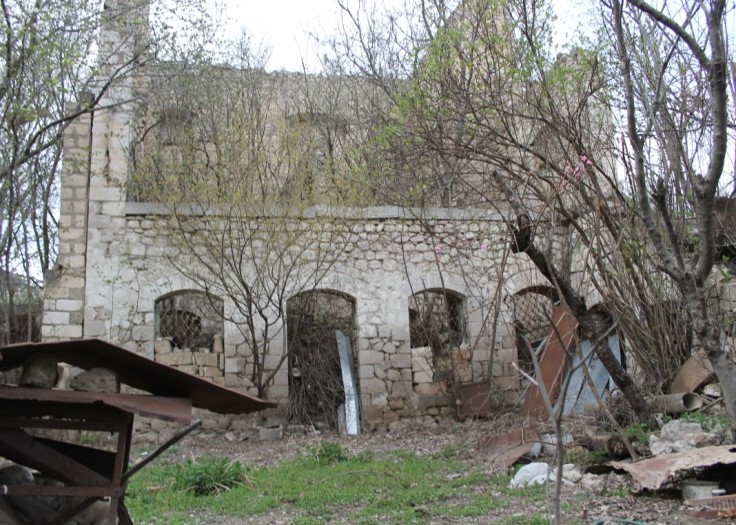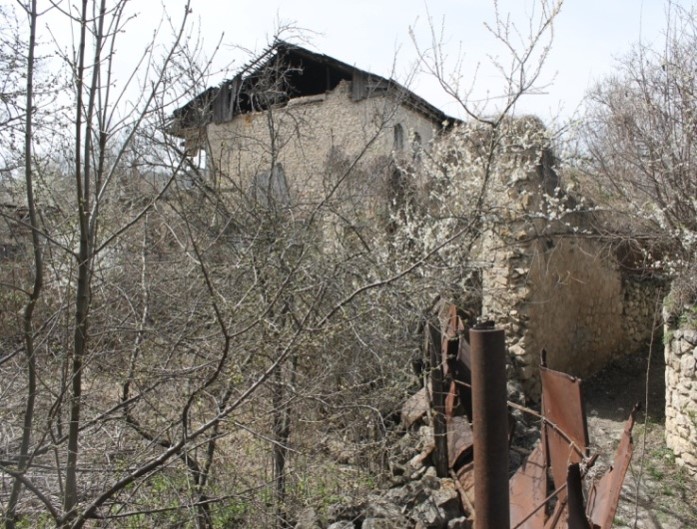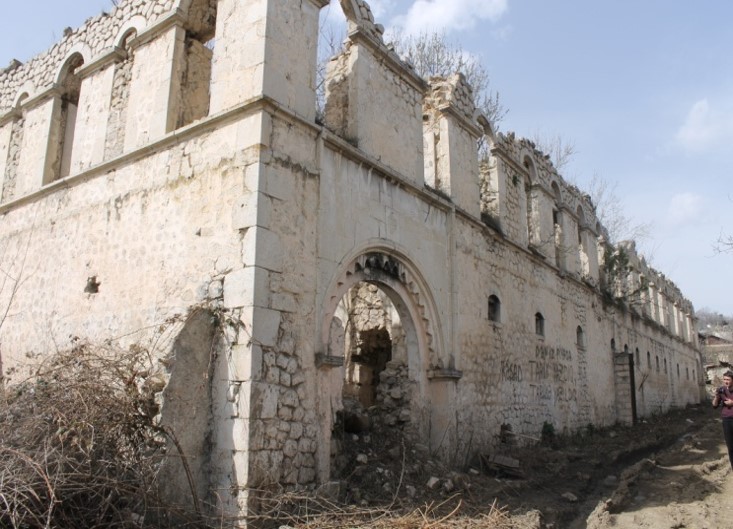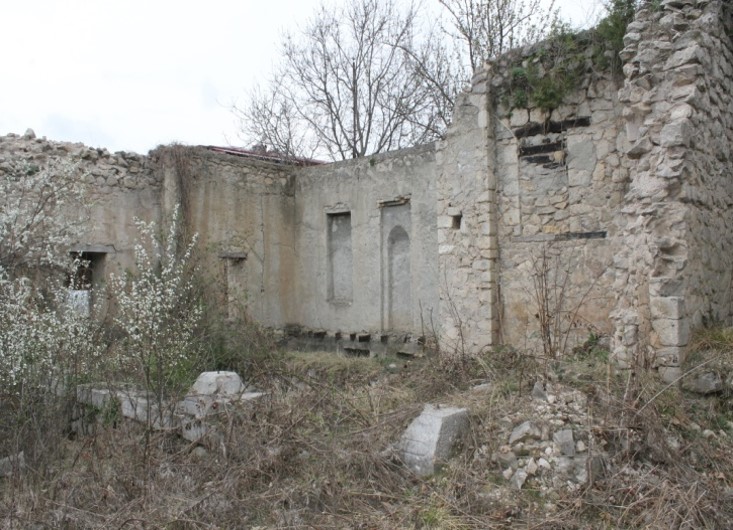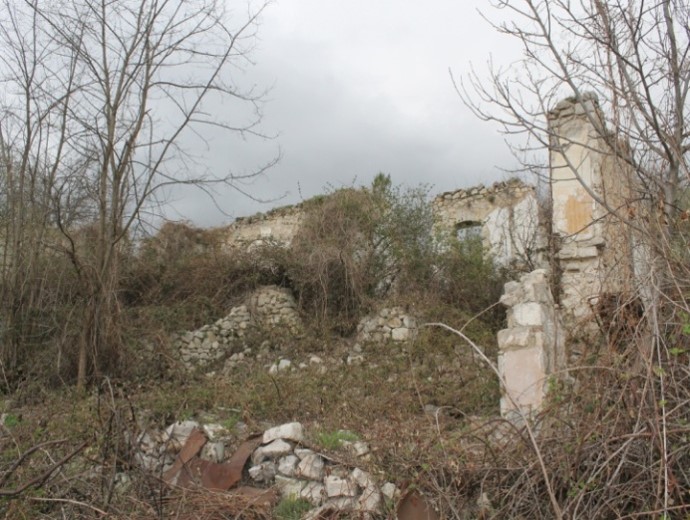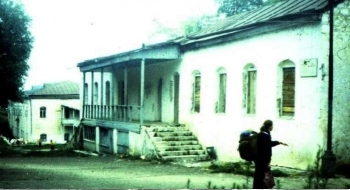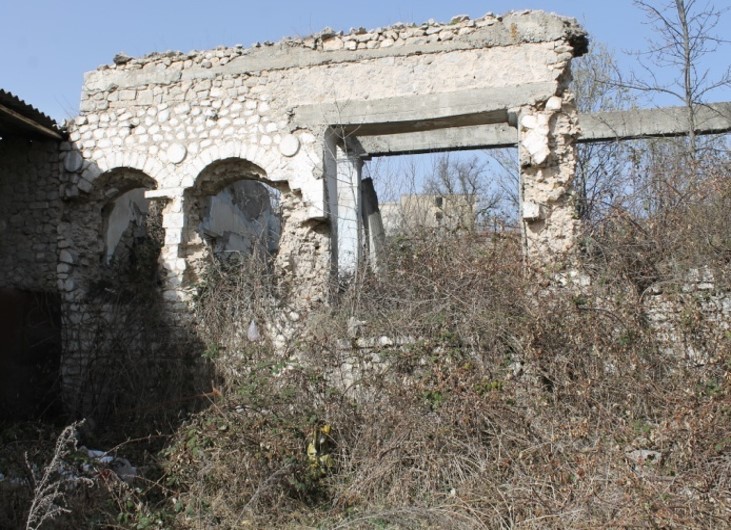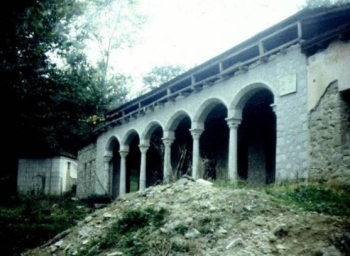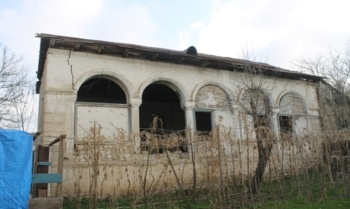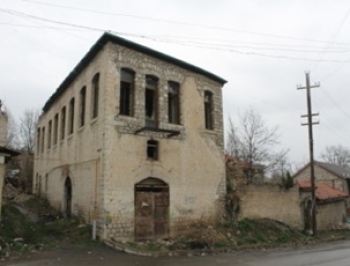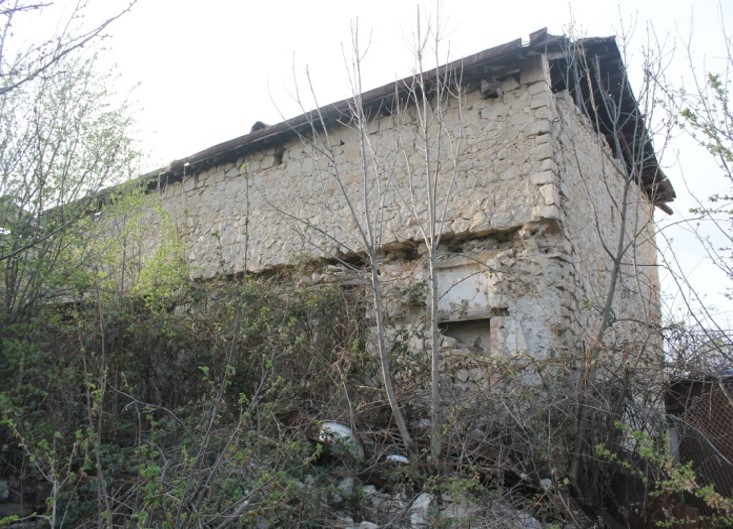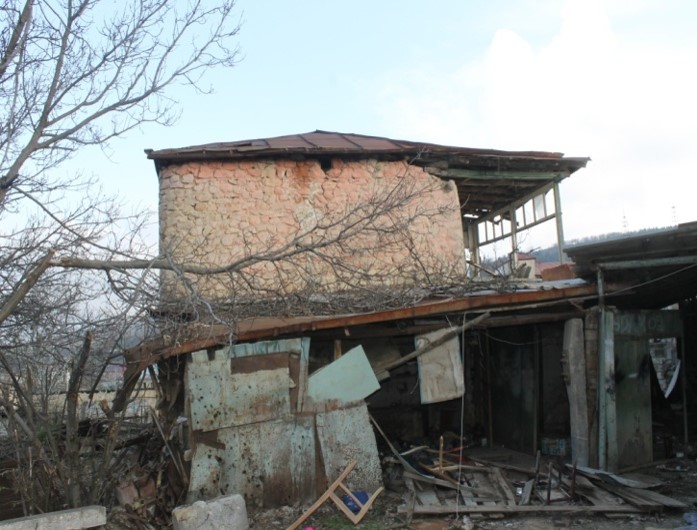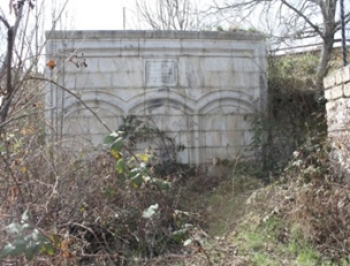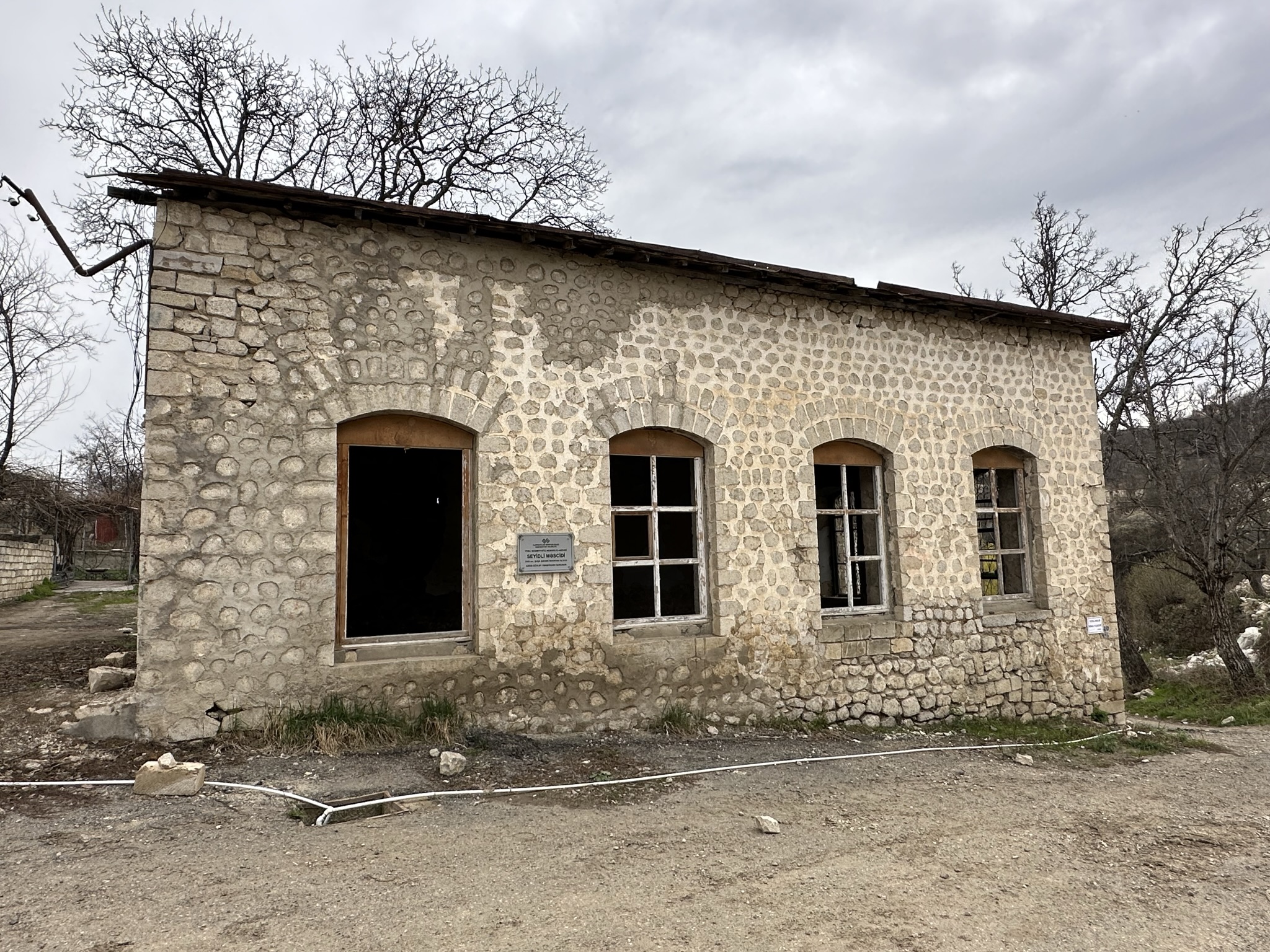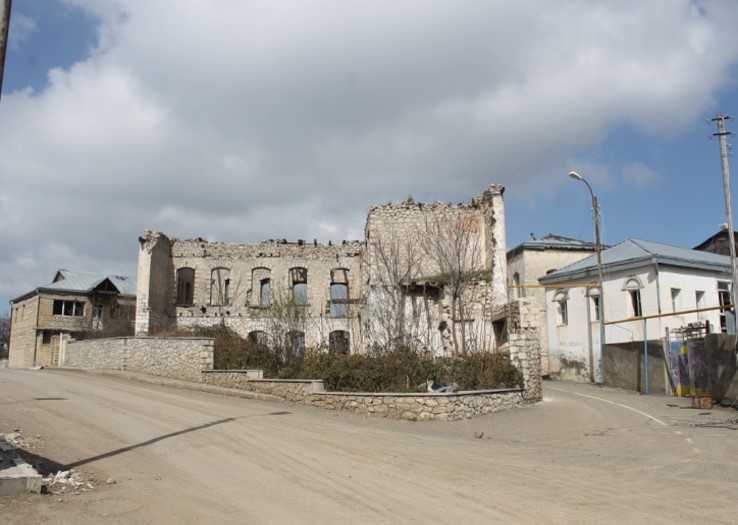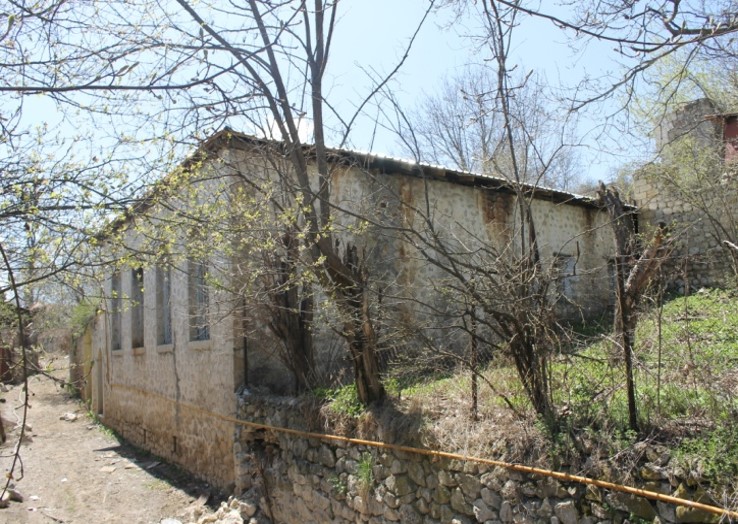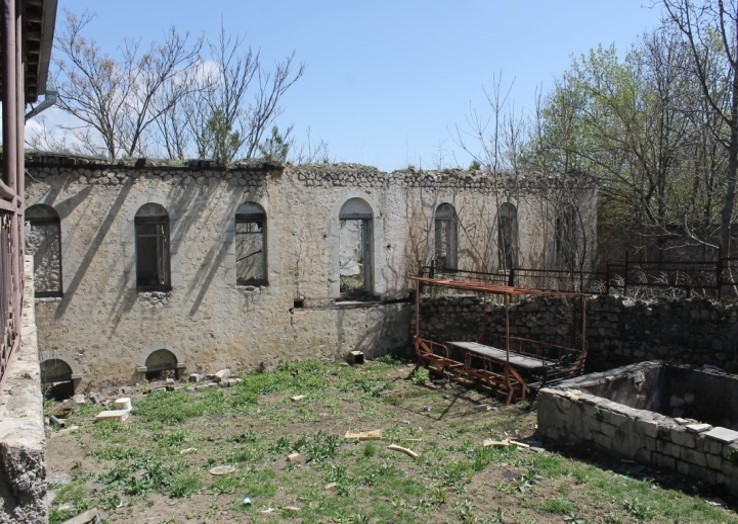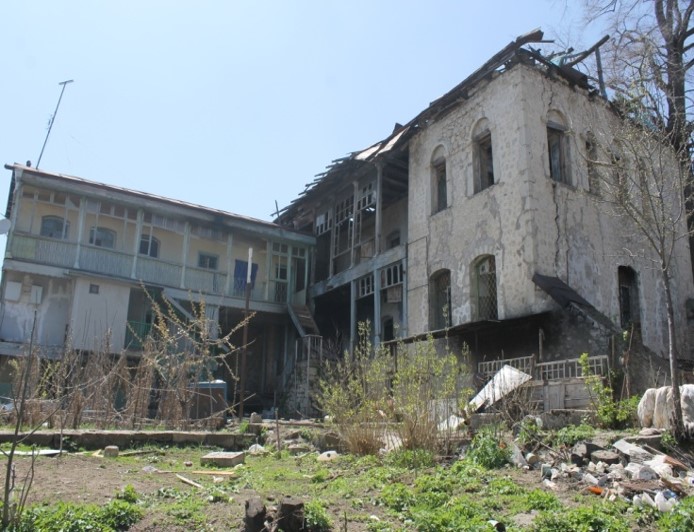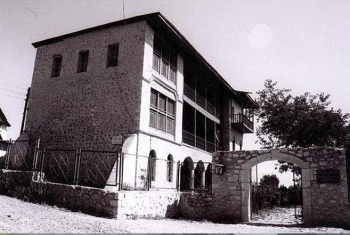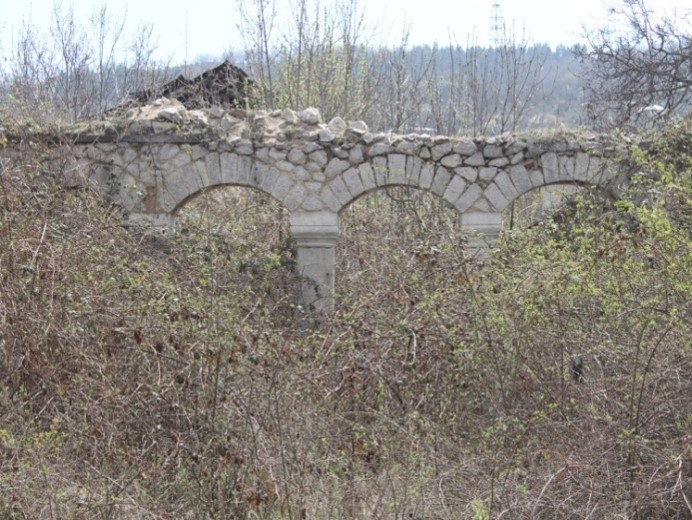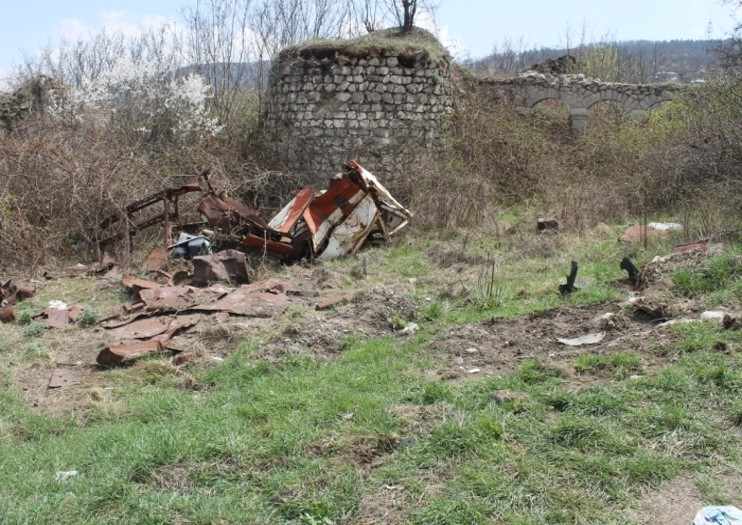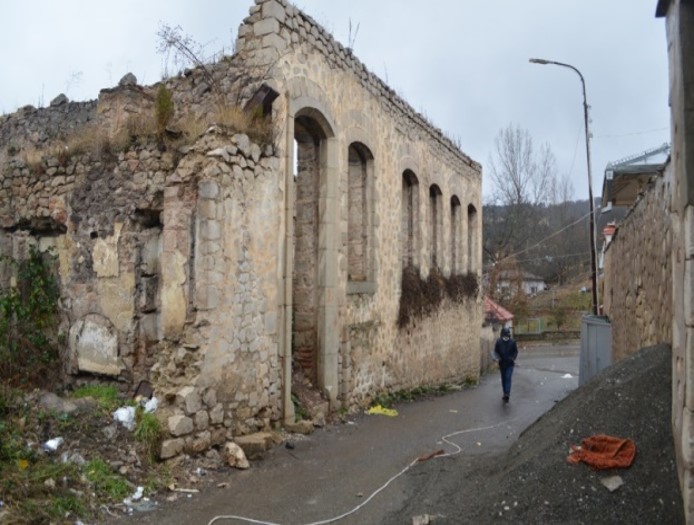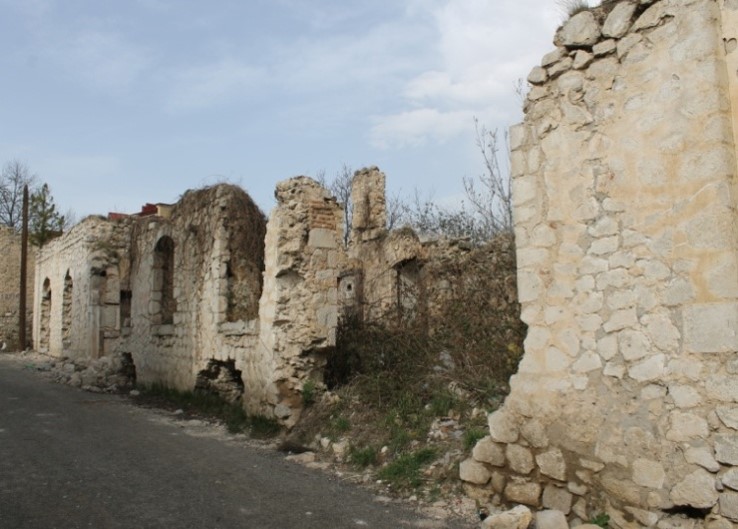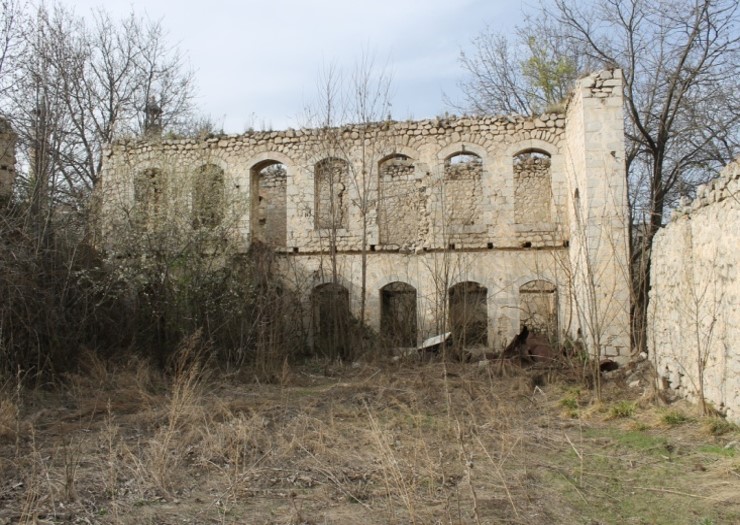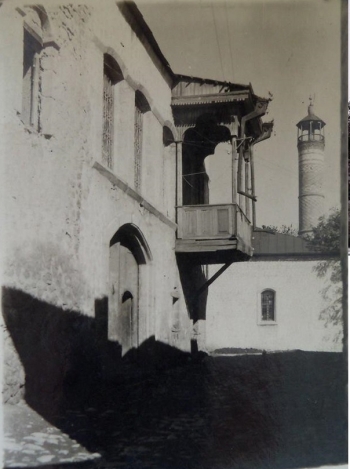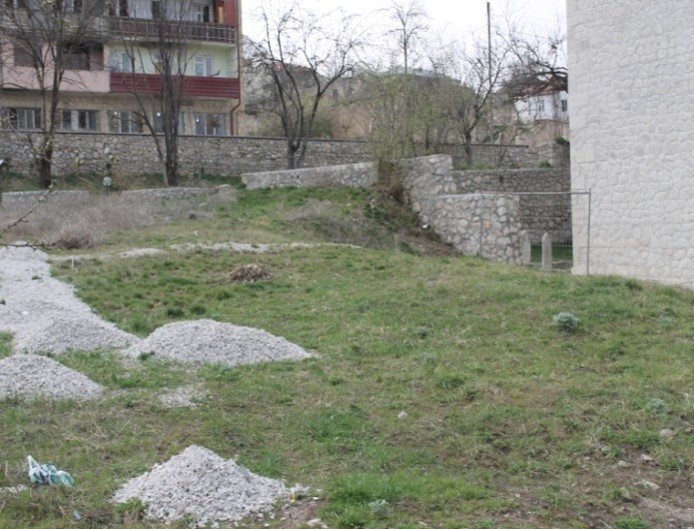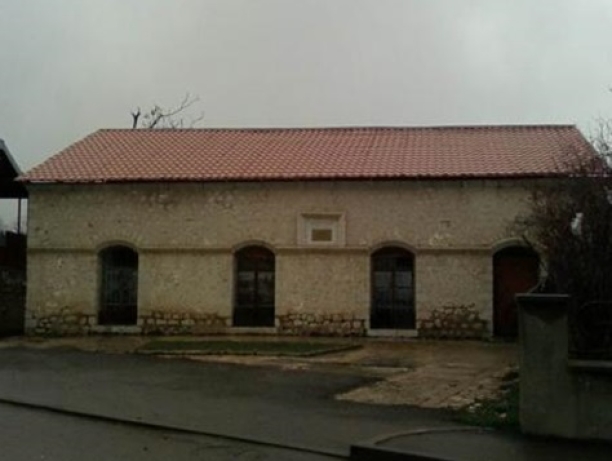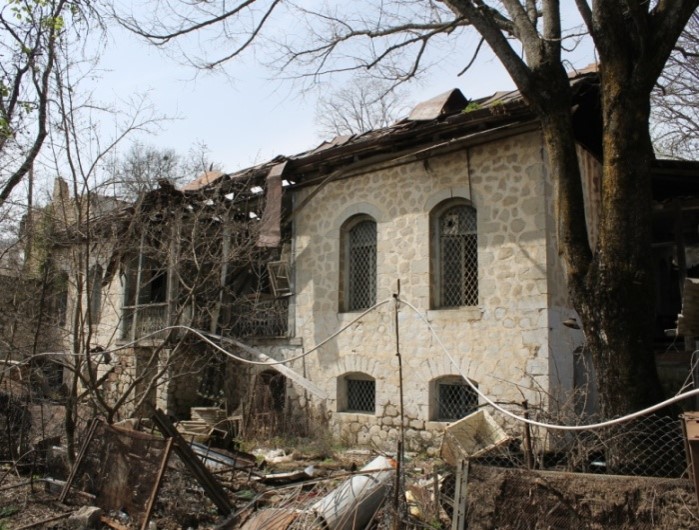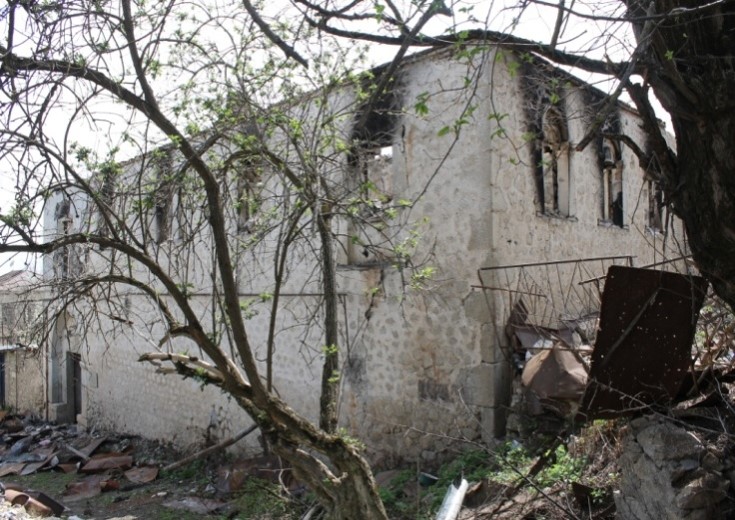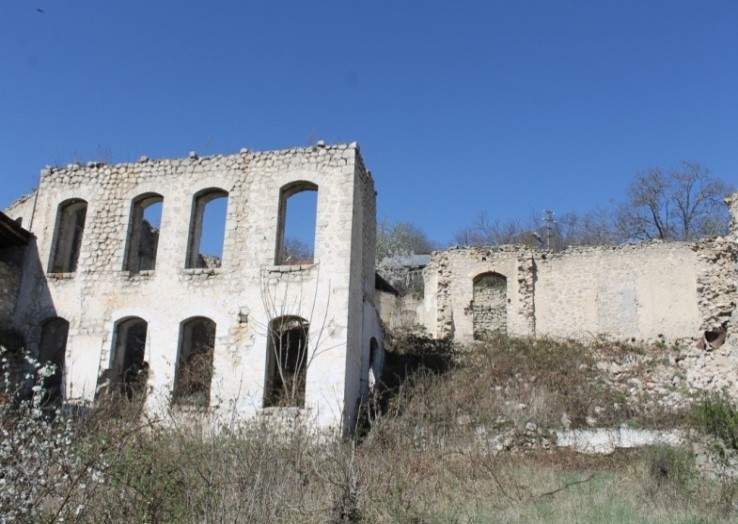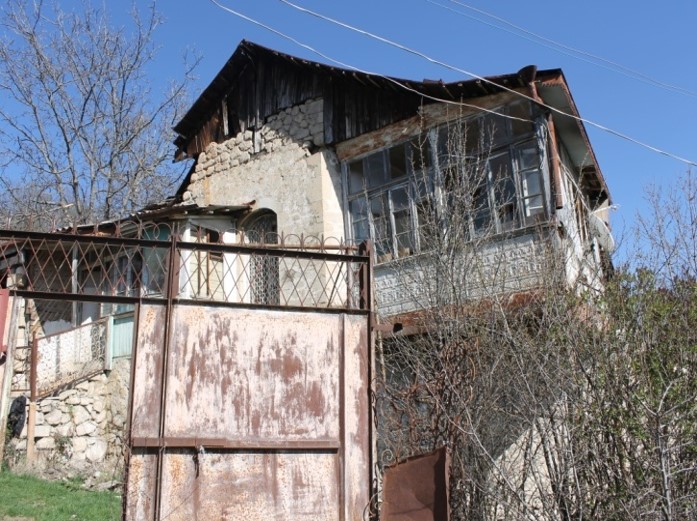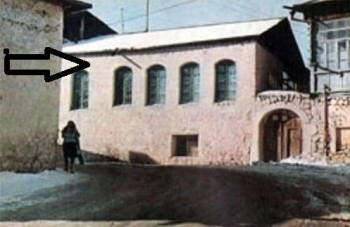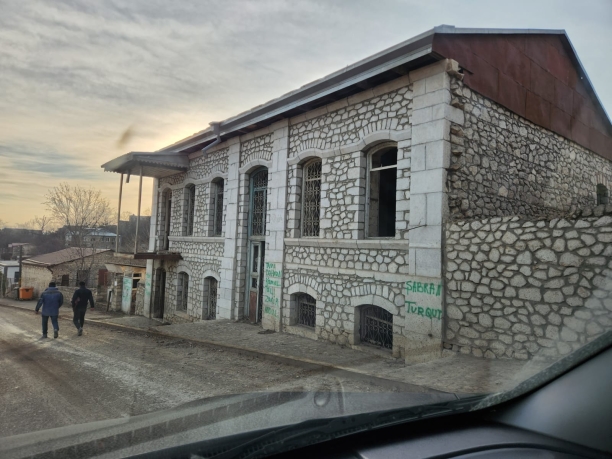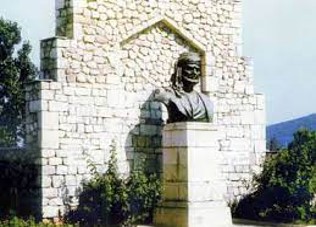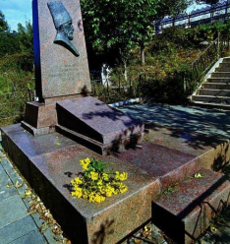
XIX century architectural monument of local importance. Inventory number: 5043

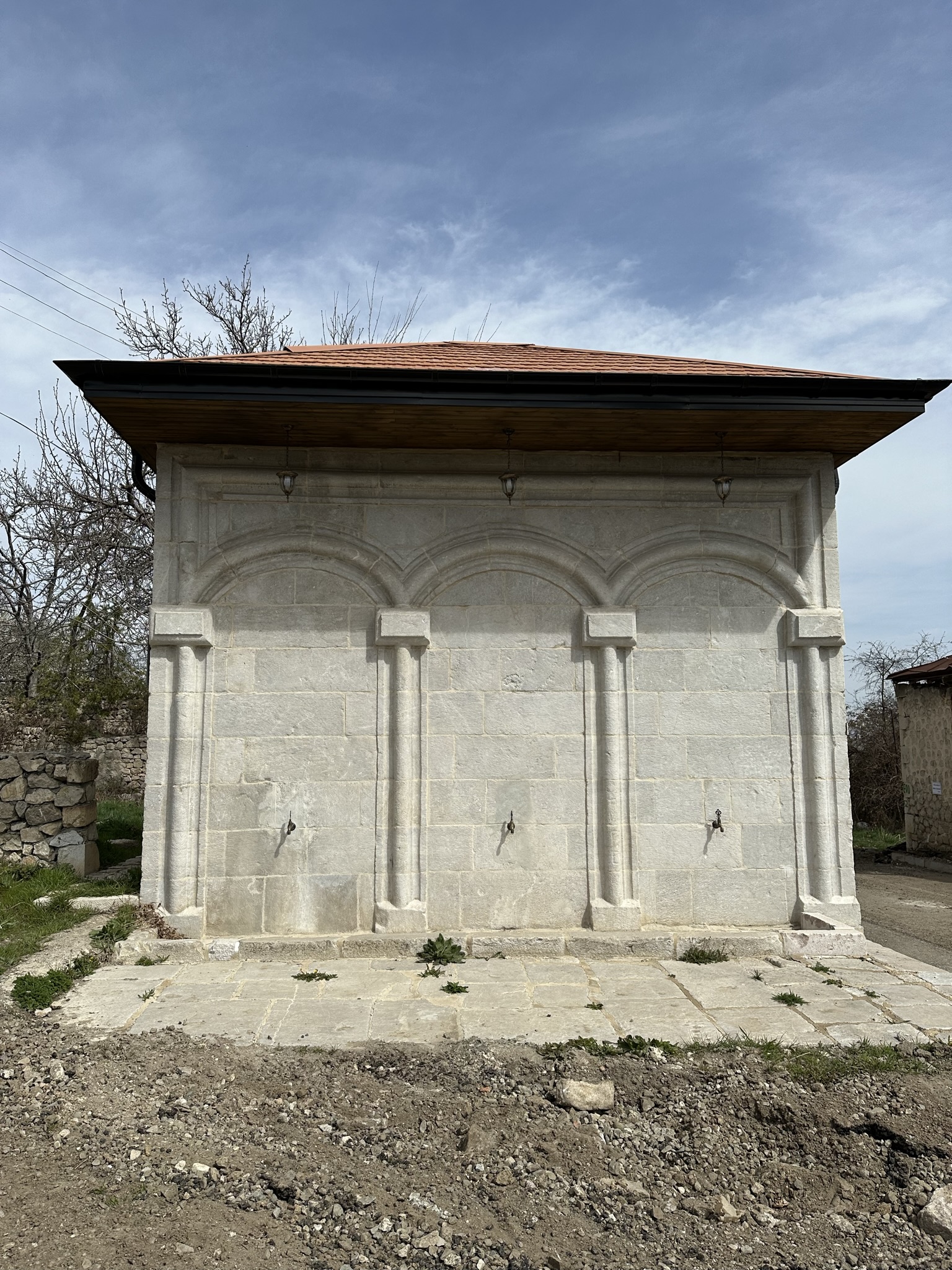
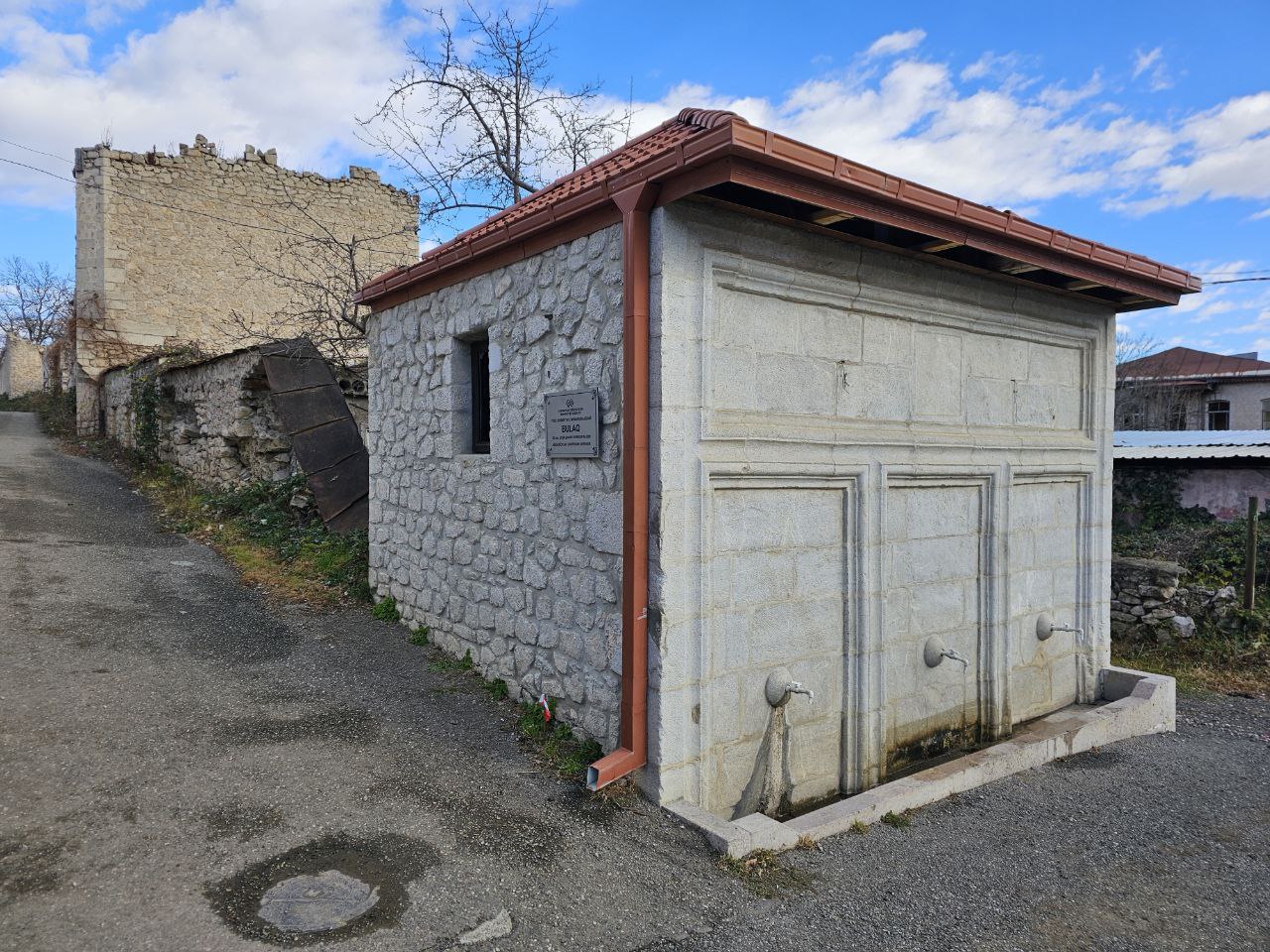
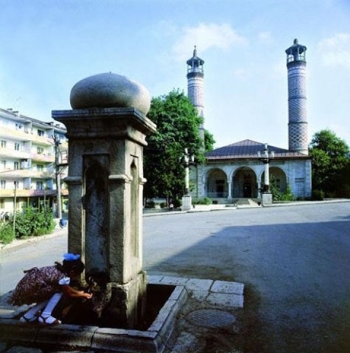
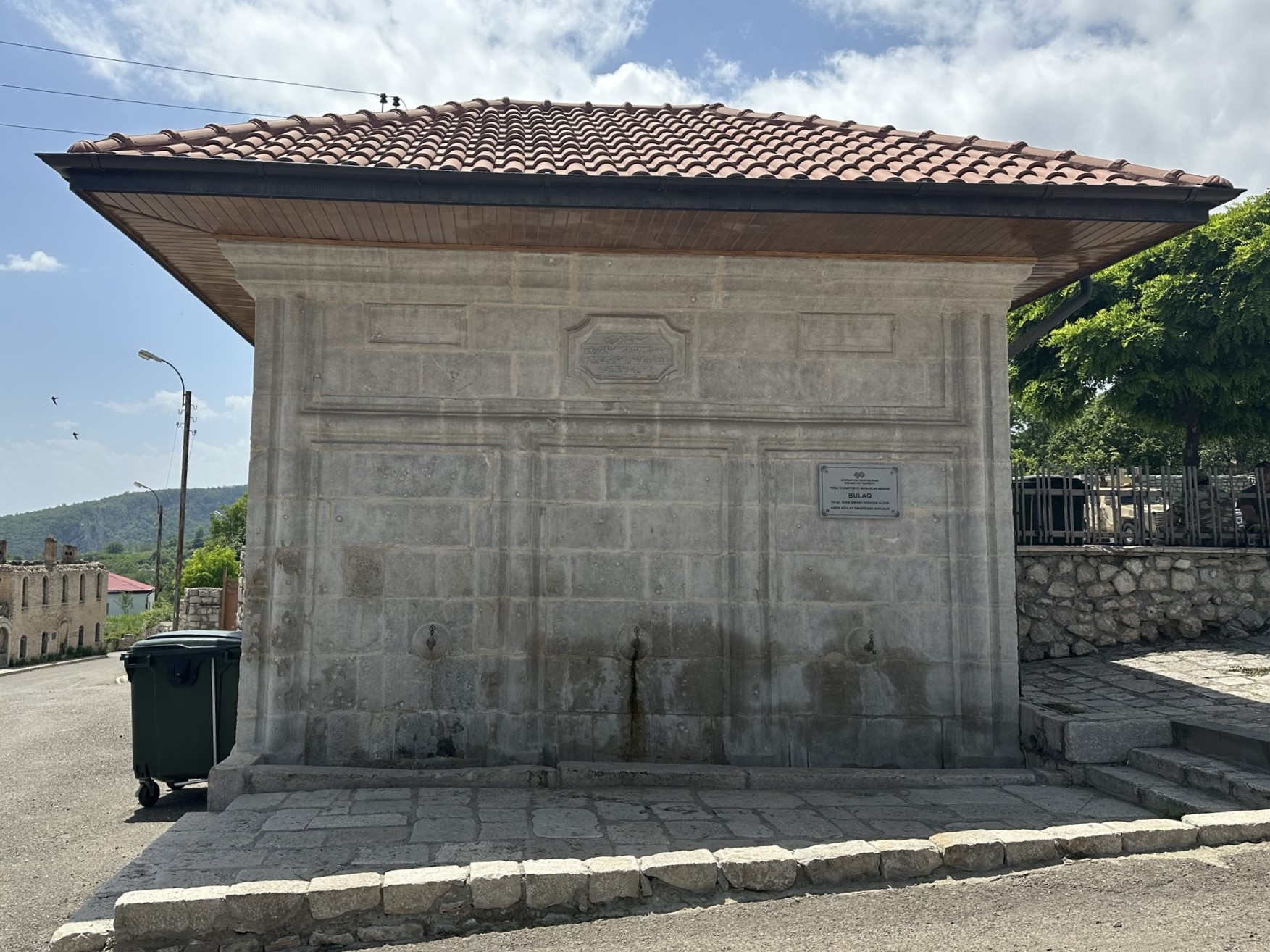
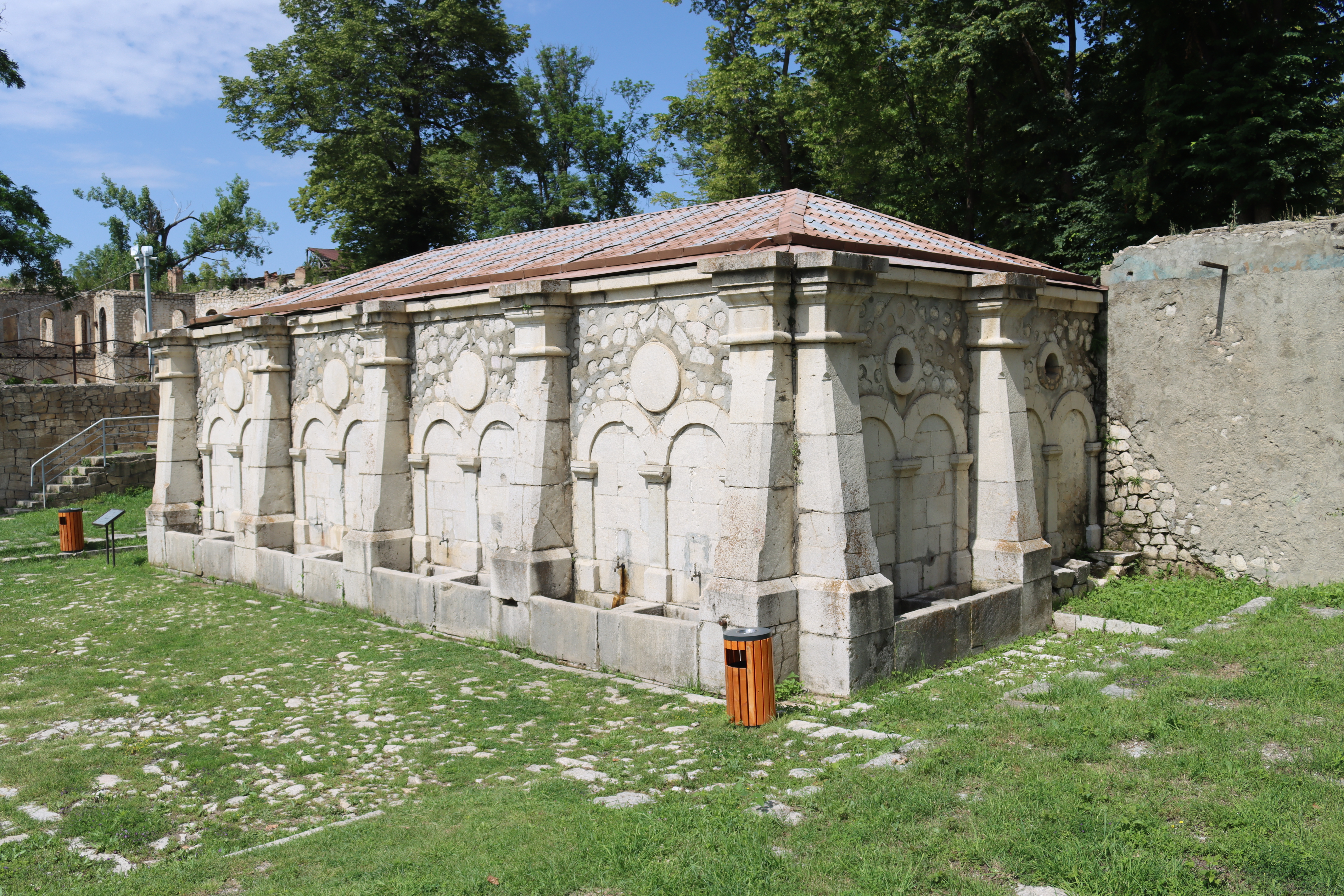
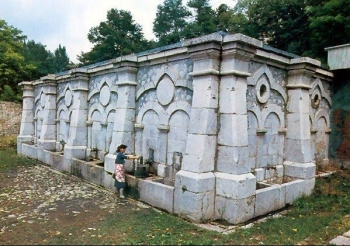
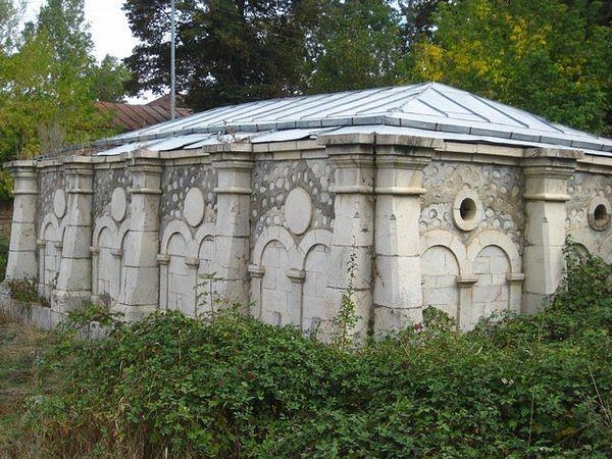
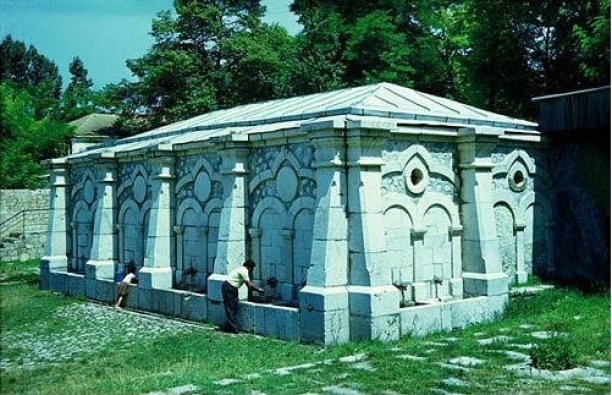
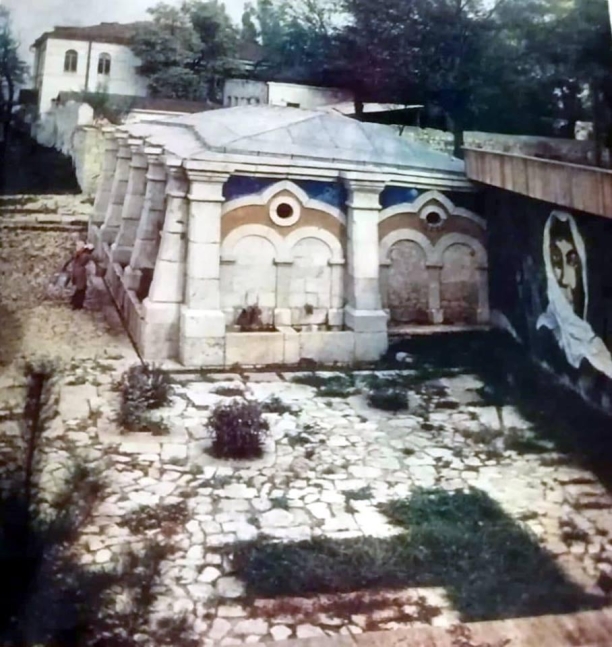
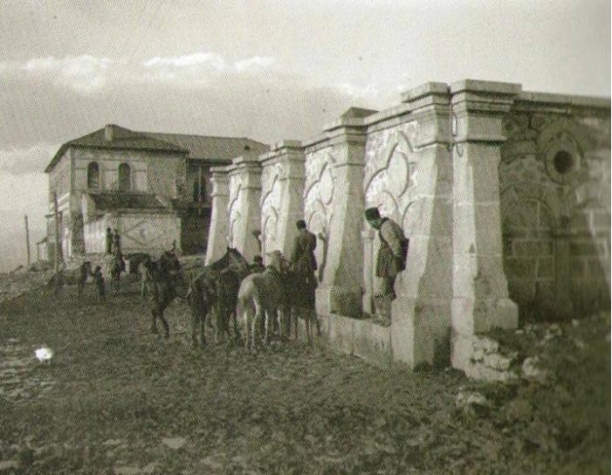
The spring is located in the Chol Gala neighborhood. It was named as "Khan Gizi” fountain because the spring water from the mountain was brought to Shusha and this monument was built at the expense of the khan's daughter, Khurshidbanu Natavan. The Lady Natavan was a poetess and painter, the granddaughter of Ibrahimkhalil Khan, the daughter of Mehdiqulu Khan- the last khan of Karabakh. She invited specialists from the North and South Azerbaijan to provide Shusha city with drinkable water. The springs at the foot of Mount Saribaba, located about 7.5 kilometers away from the city, were chosen as the source of water. From the mount, a pipeline was laid with clay pipes all the way to the water reservoir in Shusha. From the reservoir, water reached the fountain monument through clay pipes.
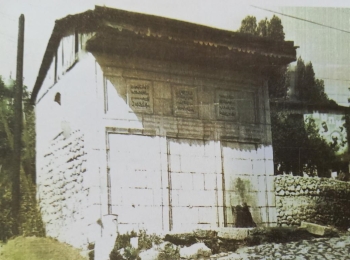
Total work was completed in 1.5 years. The fountain was put into operation on August 18, 1873. The length of the monument is 15 m, width is 7 m, and height is 4 meters. The opening ceremony of the fountain was widely covered in the imperial newspapers of that time called "Qafqaz" and "Novoye obozreniye". Until the occupation of Shusha, the Khan Gizi fountain was functioning and played a special role in supplying the city's population with drinking water. During the Soviet years, the surrounding walls adjacent to the monument were designed with beautiful paintings and lines from Lady Natavan's poems. When the city was occupied on May 8, 1992, the paintings and the plaques with those poetic lines on the walls were set on fire and destroyed.
After the liberation of Shusha from occupation, the fountain was restored in 2021.

XVIII century architectural monument of national importance. Inventory number: 343
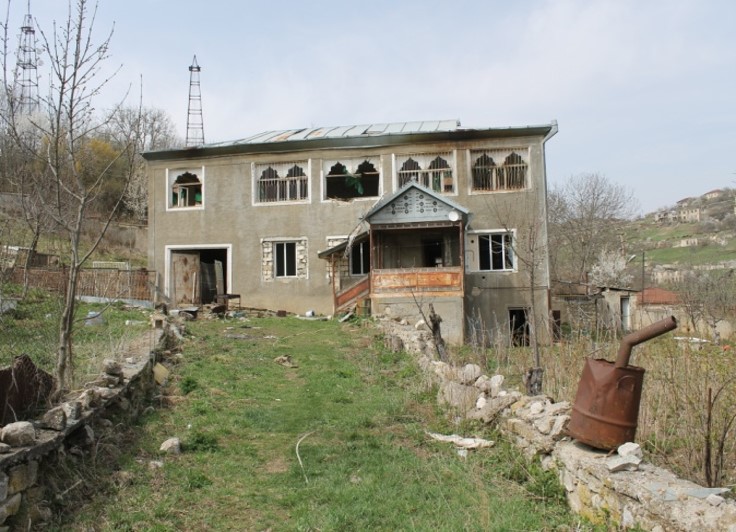
XVIII century architectural monument of national importance. Inventory number: 370
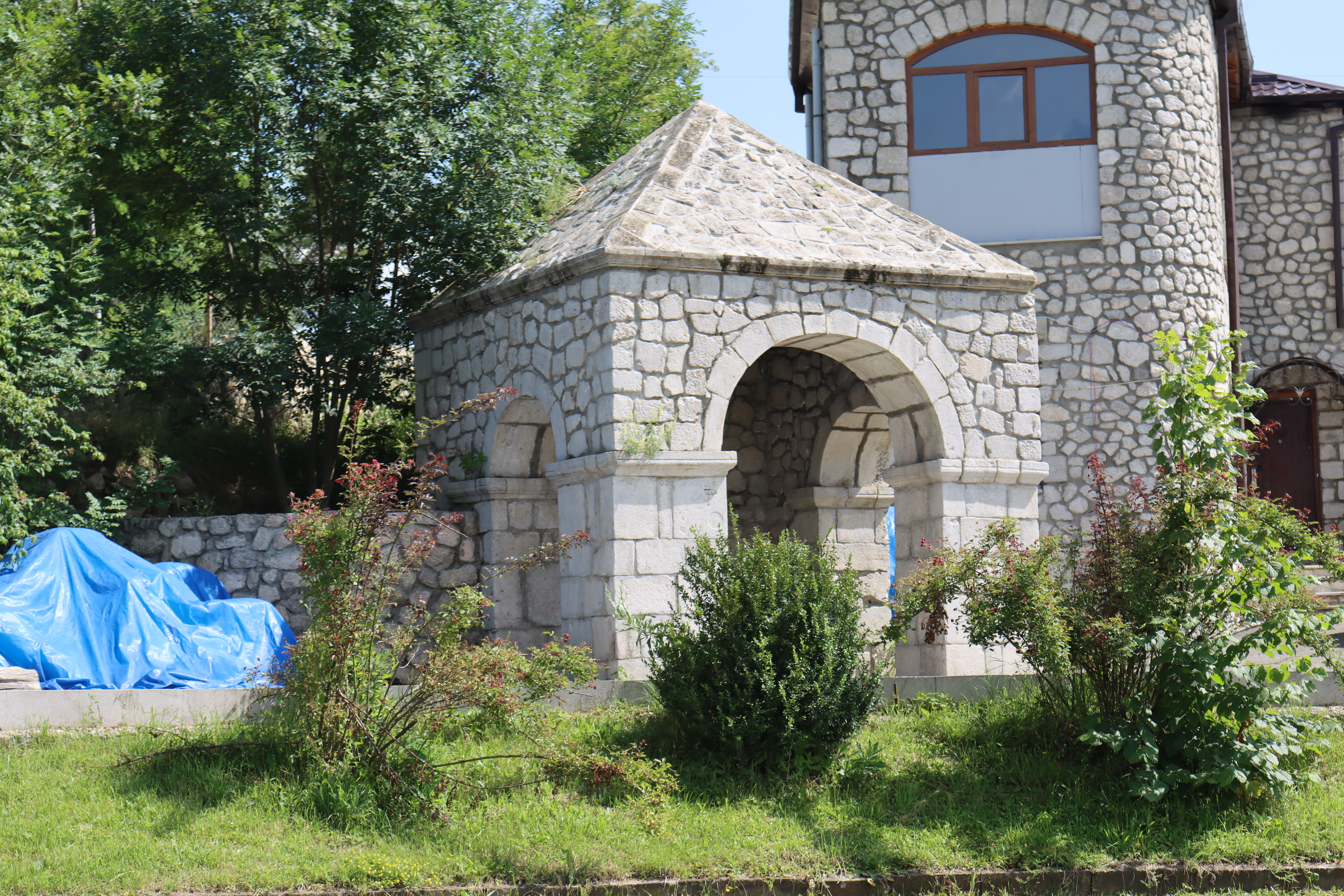
XIX century architectural monument of local importance. Inventory number: 5064
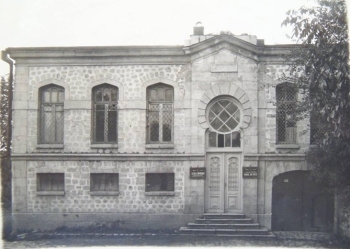
XIX century architectural monument of local importance. Inventory number: 5079
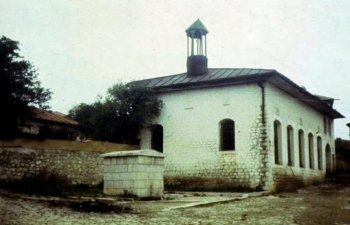
XVIII century architectural monument of local importance. Inventory number: 5089
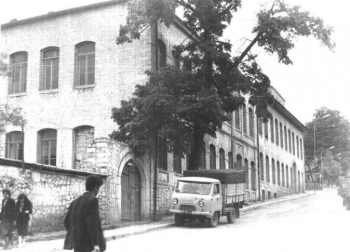
XVIII century architectural monument of local importance. Inventory number: 5098
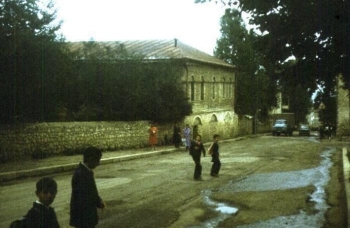
XVIII century architectural monument of local importance. Inventory number: 5100
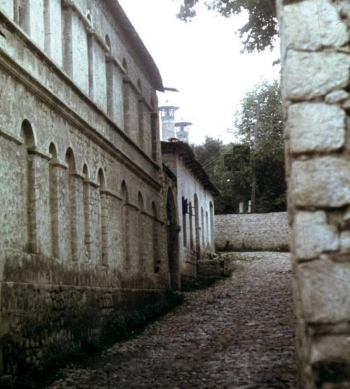
XIX century architectural monument of local importance. Inventory number: 5117
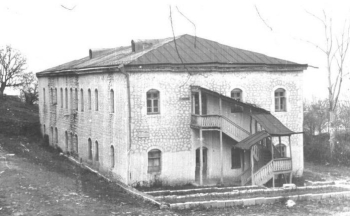
XIX century architectural monument of local importance. Inventory number: 5141