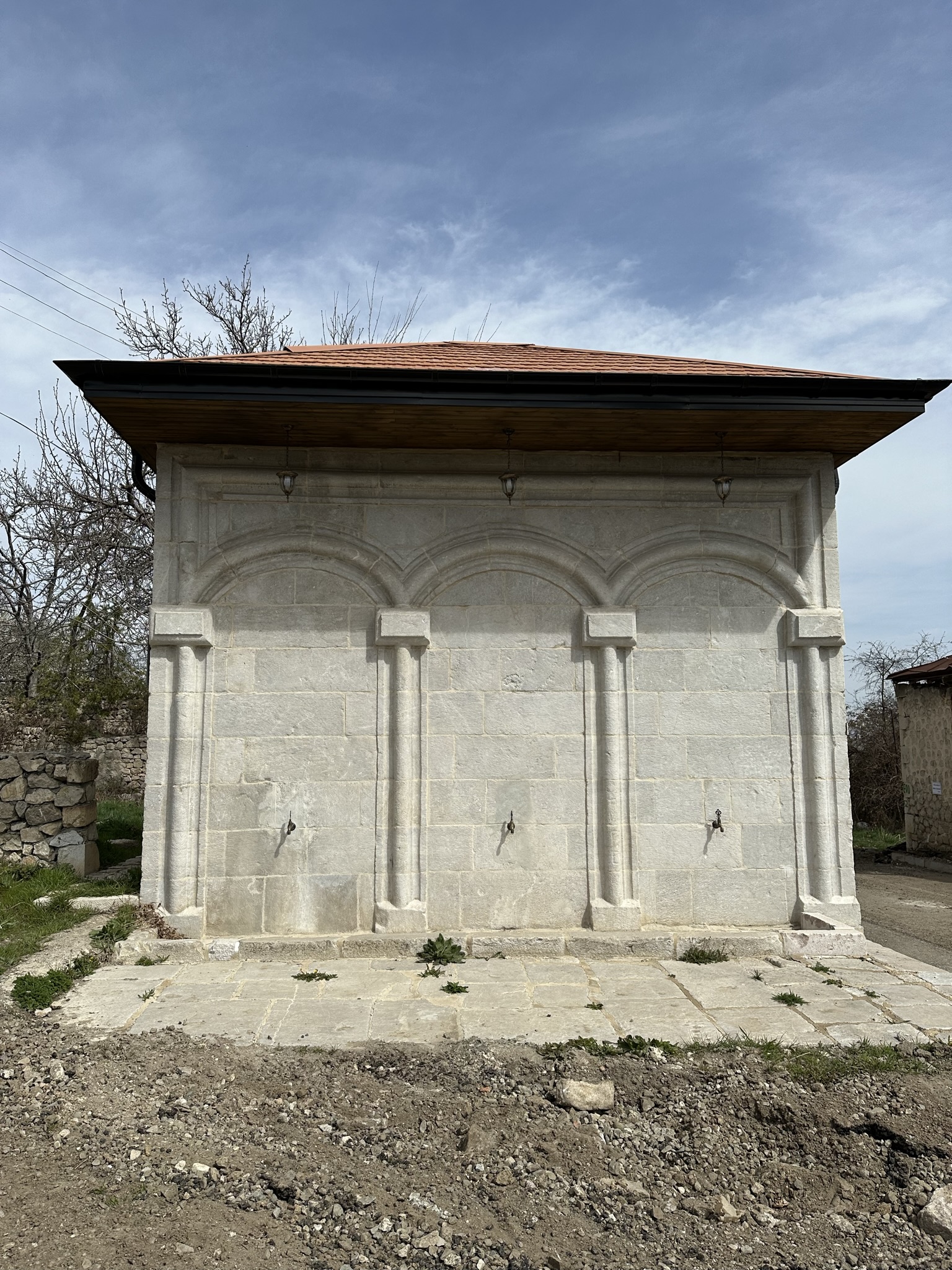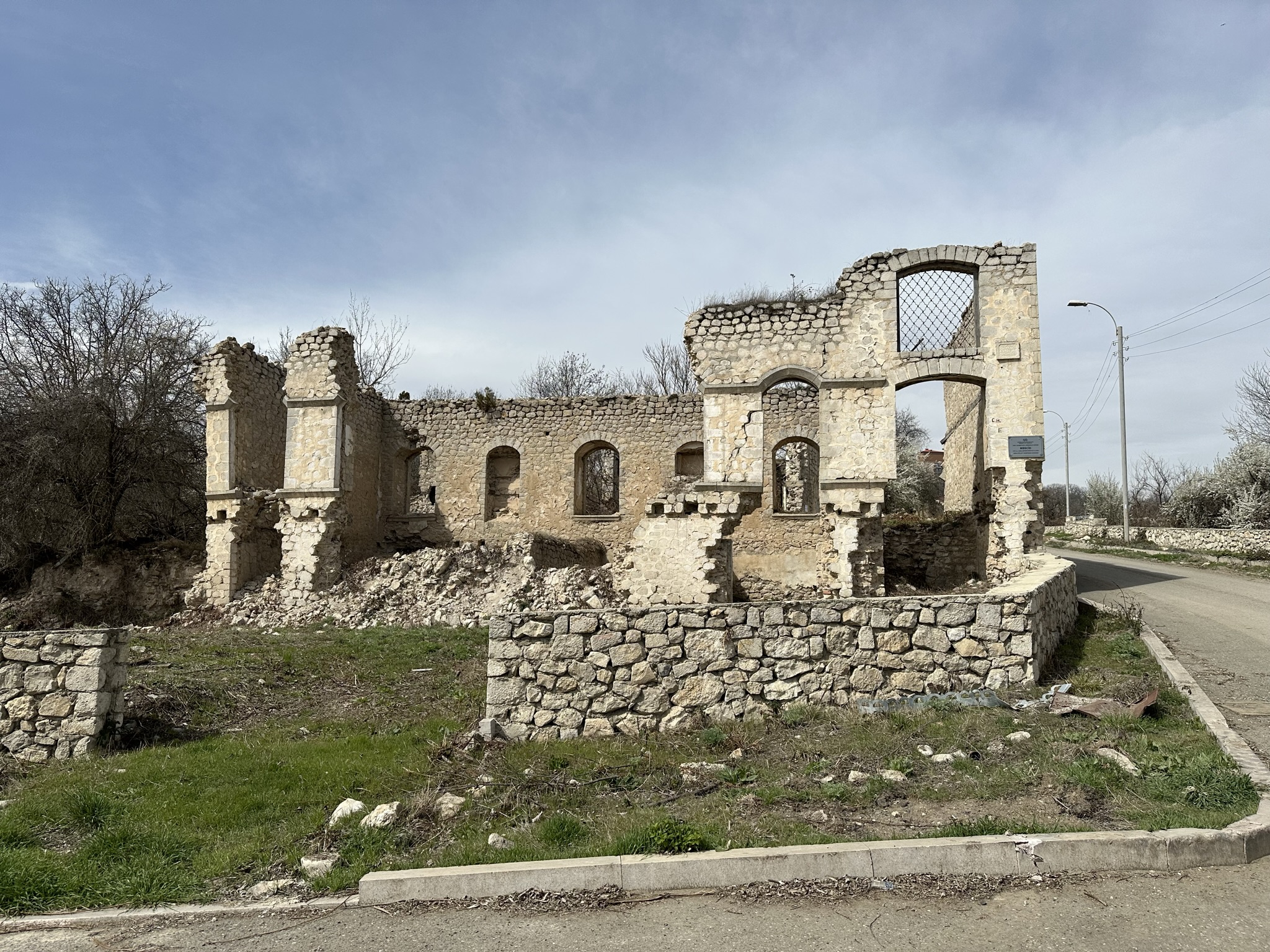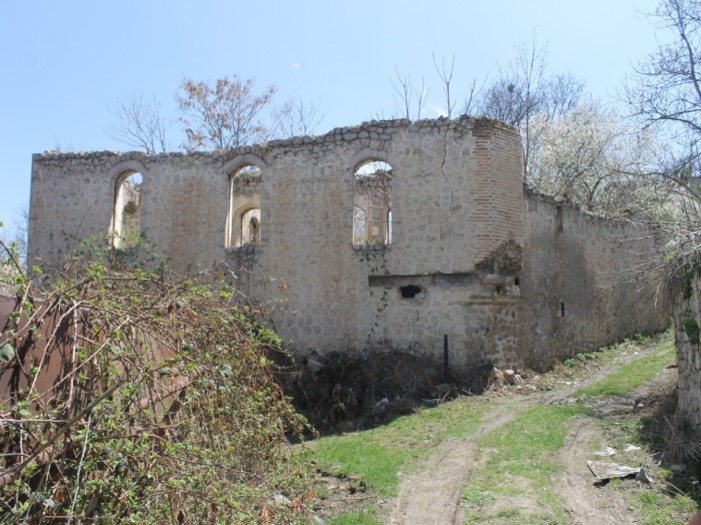
İnformation about the place

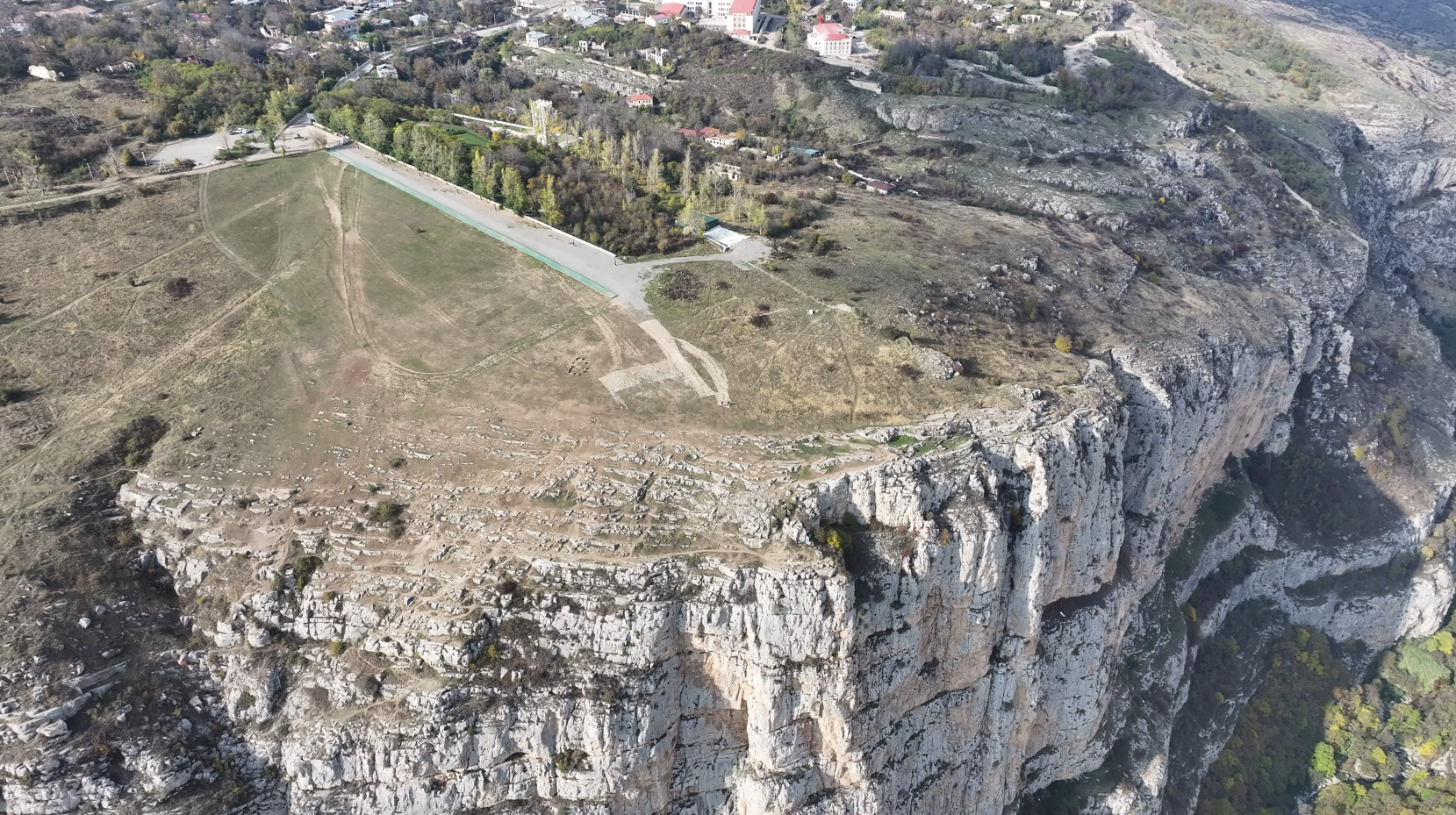
Jidir plain is one of the most famous natural places and recreational spots in Shusha. It is on the southern part of the city, at the altitude of 1300–1340 meters above the sea level. “Jidir” in Azerbaijani language means a place where people ride horses and hold horse races. Since the time of the Karabakh Khanate, horse races, the traditional game chovqan (UNESCO intangible heritage), Novruz spring celebrations, shows of pahlavans (wrestlers), tightrope walkers, poetry gatherings, spectacles and other massive public events were held here.
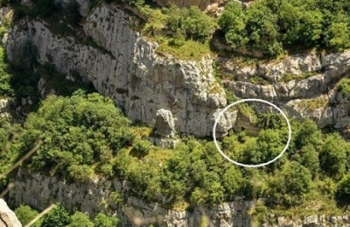
From Jidir plain, you can see “Topkhana” forest straight ahead. Below, there is Dashalti canyon, and in the ravine the river Dashalti (Gargar) flows like a silver ribbon. Jidir plain is surrounded by “Uch Mikh” mount of the Lesser Caucasus, Aghziyasti cave, and Khazna rock. The famous Kharibulbul flower, a symbol of Shusha, also grows around Jidir plain. On the other side of the Jidir plain there is a narrow old natural path called Qirkhpillakan (Forty Steps path)—which is possible for only one person to go down through these rocky steps to the ravine. On the opposite side, in the cliff there is Khan’s cave, also called Ibrahimkhalil Khan’s shelter. It is assumed that the shelter was built during the reign of Ibrahimkhalil Khan to protect himself during attacks and to hide valuable items. After Shusha was occupied in 1992, this place was partly destroyed by Armenian forces.
Jidir plain is the place where the International Music Festival “Kharibulbul” is held. The first festival happened here in 1989 for the 100th birthday anniversary of Seyid Shushinski, a famous folk singer from Shusha. Musicians and folklore groups from former Soviet republics used to perform in Shusha festival. The last music festival before the occupation in Jidir Plain was held in 1991.
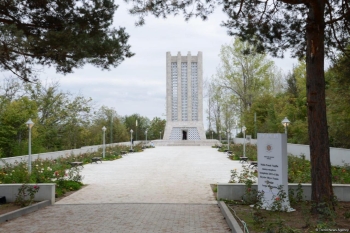
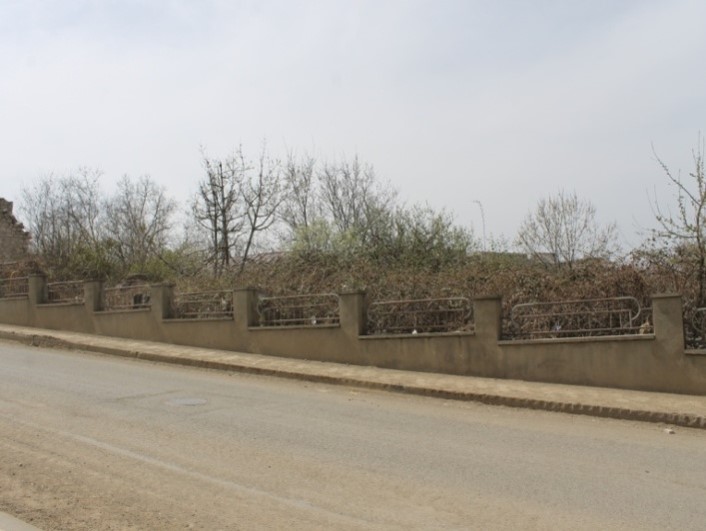
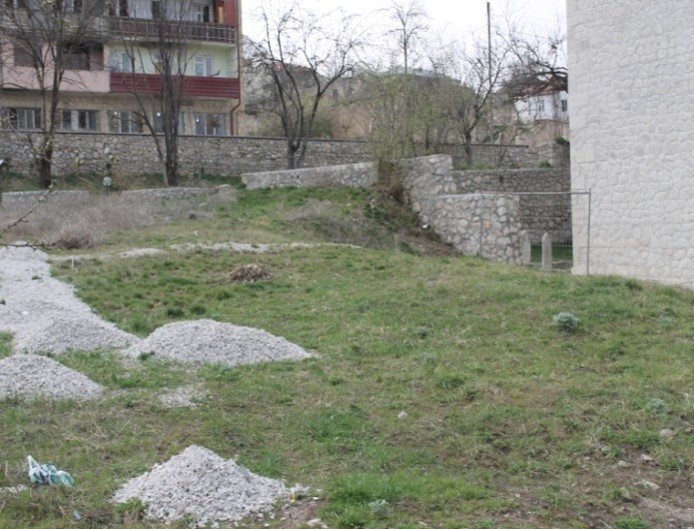
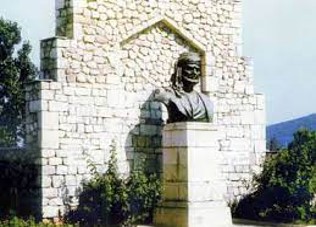
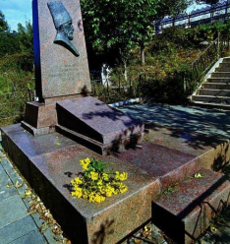
An encyclopedic scholar, calligrapher and musician of Shusha, famous Mir Mohsun Navvab was buried on the left side of the plain at the historical cemetery “Mir Faseh”.
Last but not least, in the Second Karabakh War in 2020, brave Azerbaijani soldiers and officers entered in Shusha on foot from several sides to liberate the city. One of the paths was through these steep cliffs. Bullet marks are still visible on the rocks today.

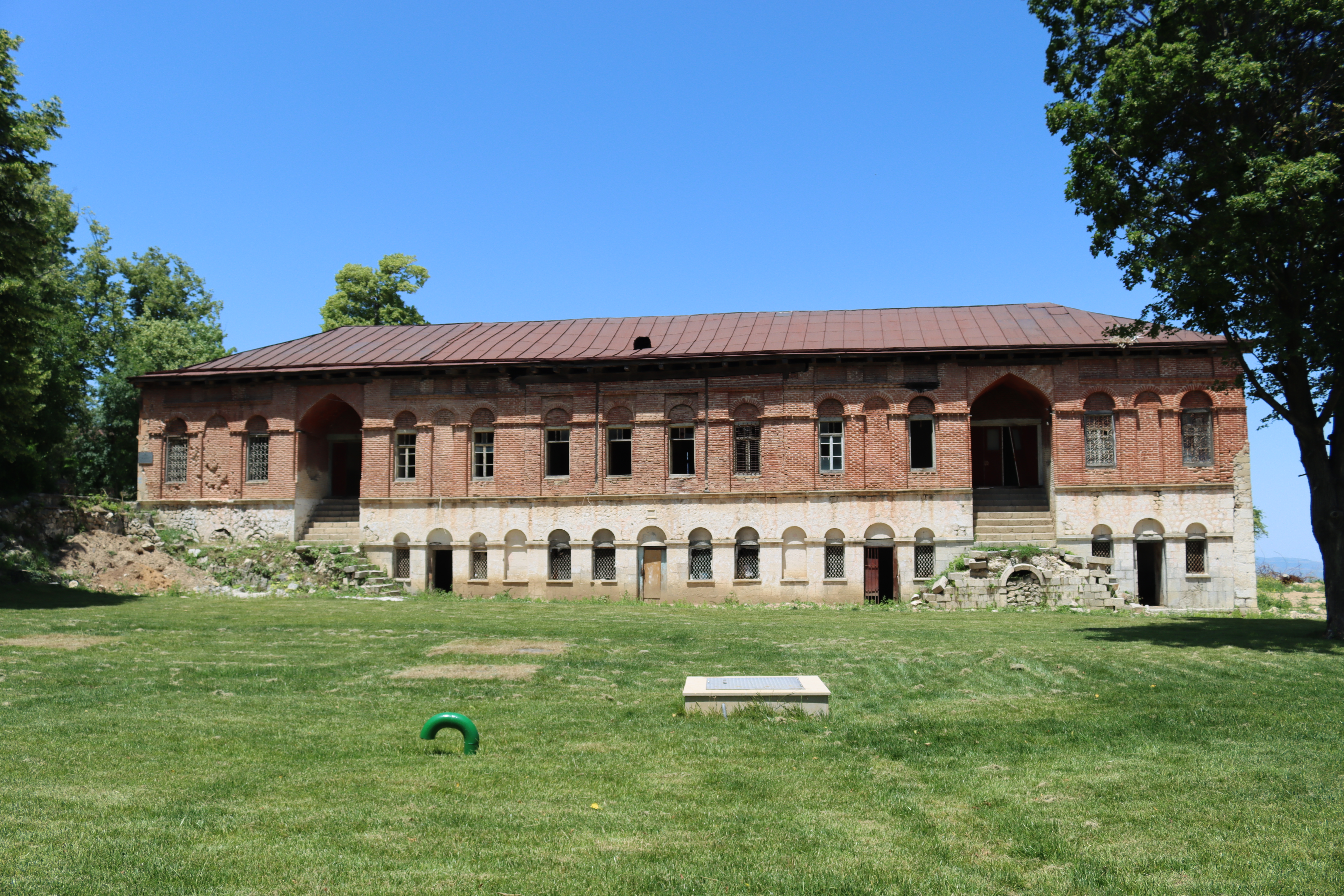
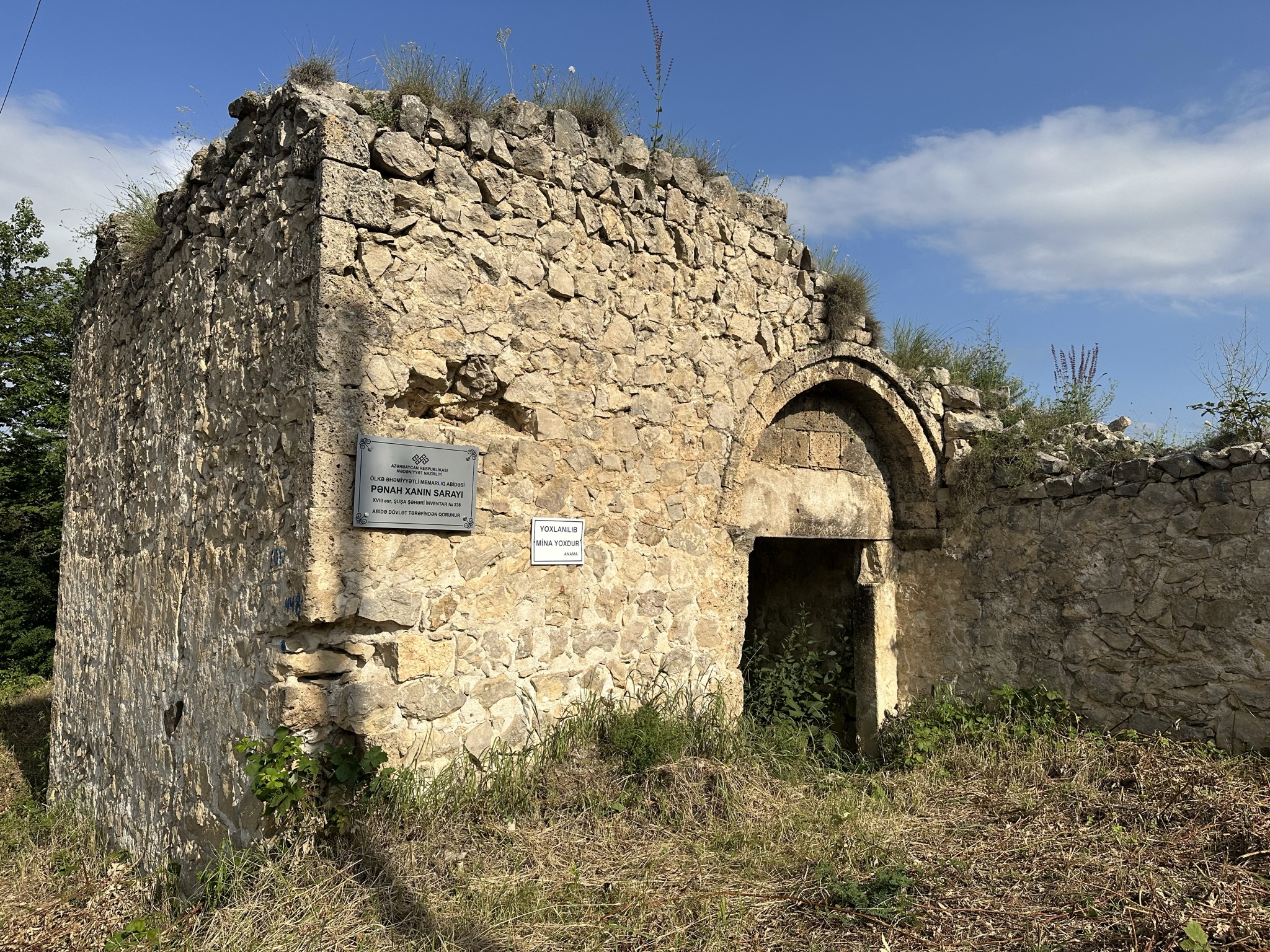
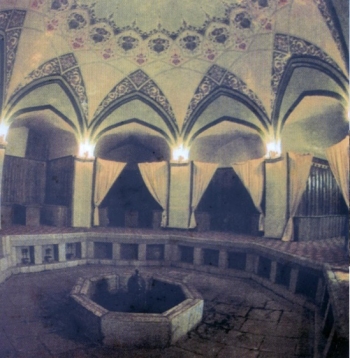
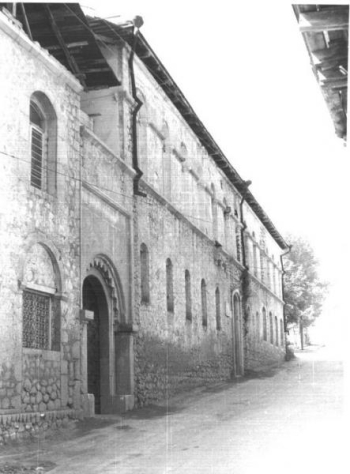
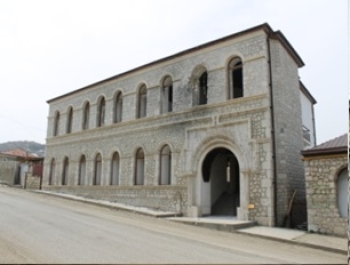
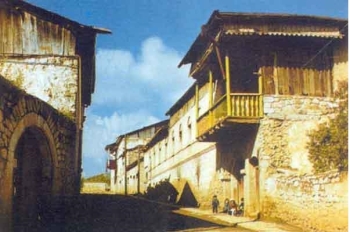
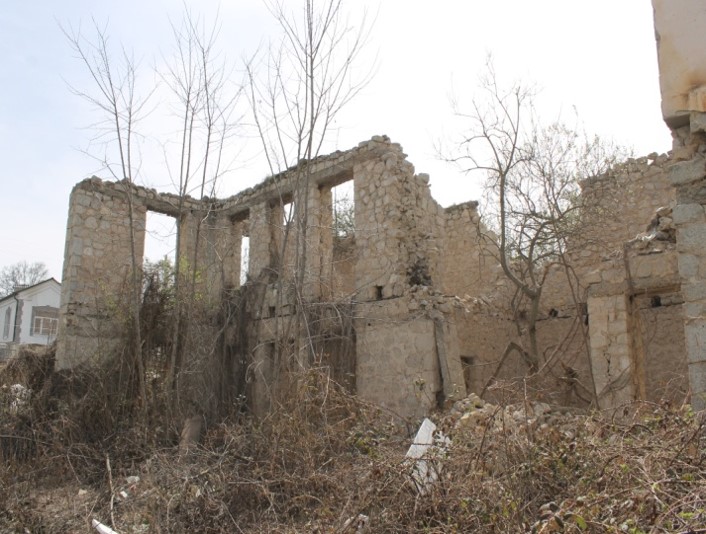
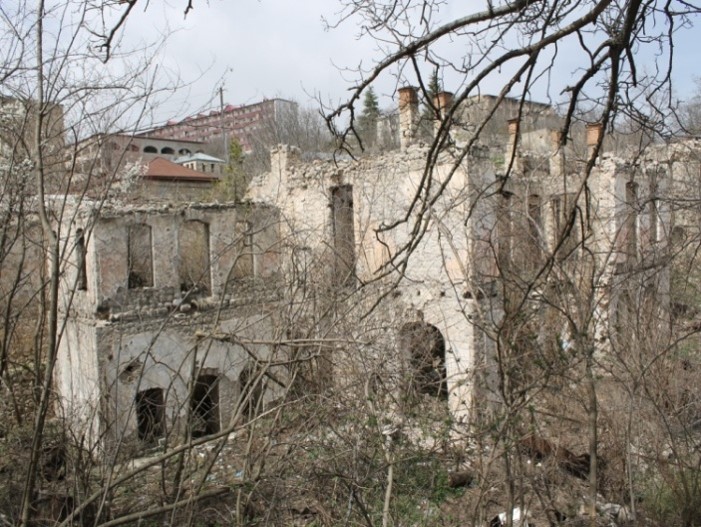
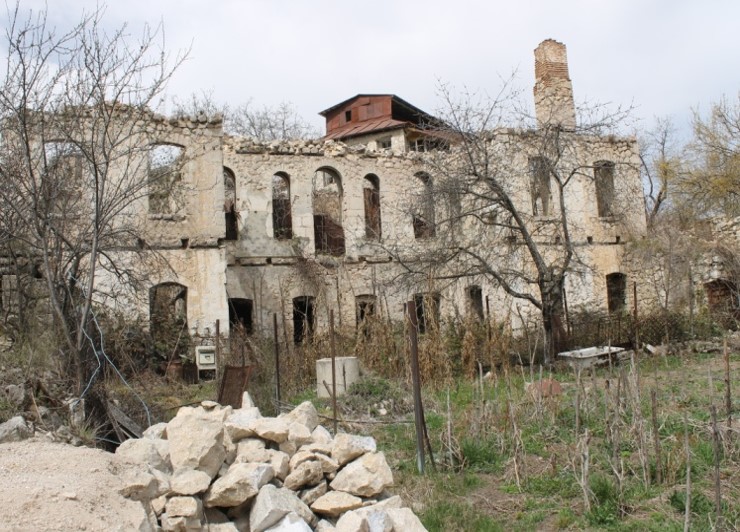
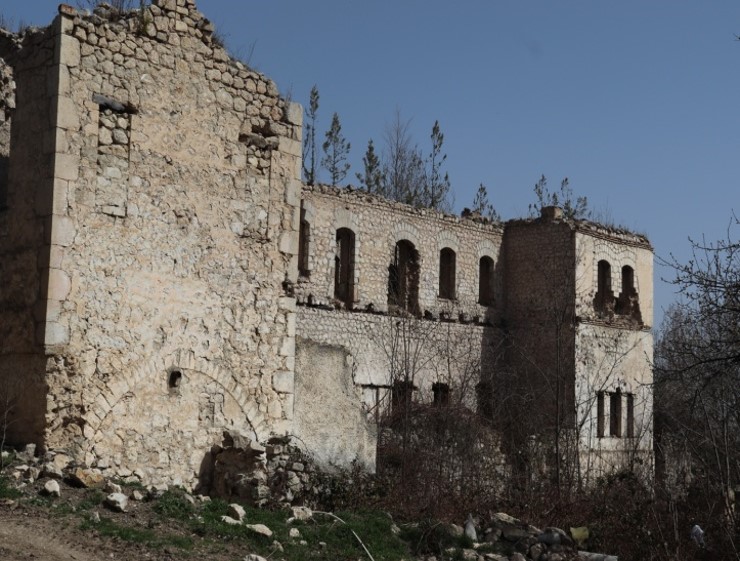
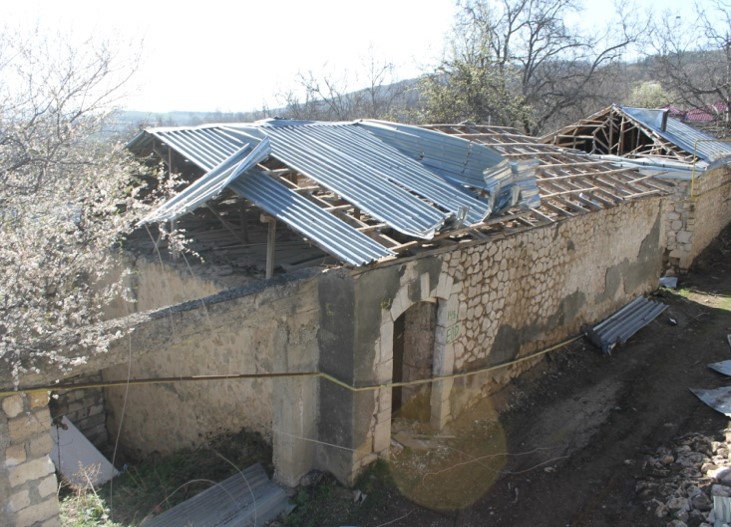
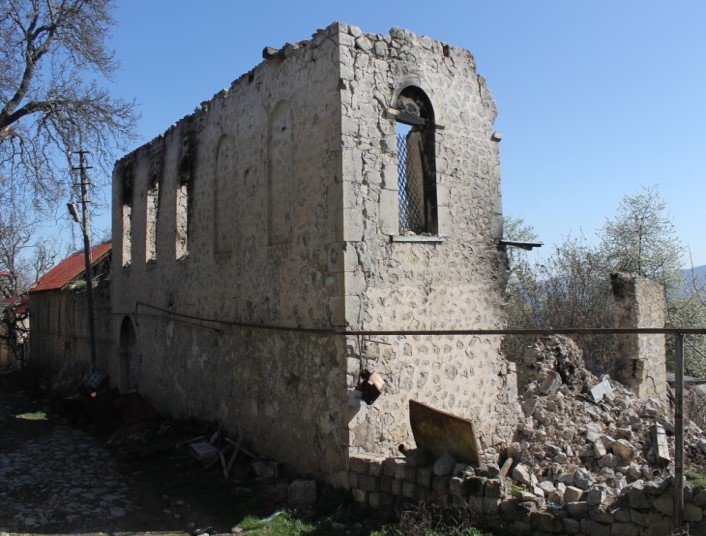
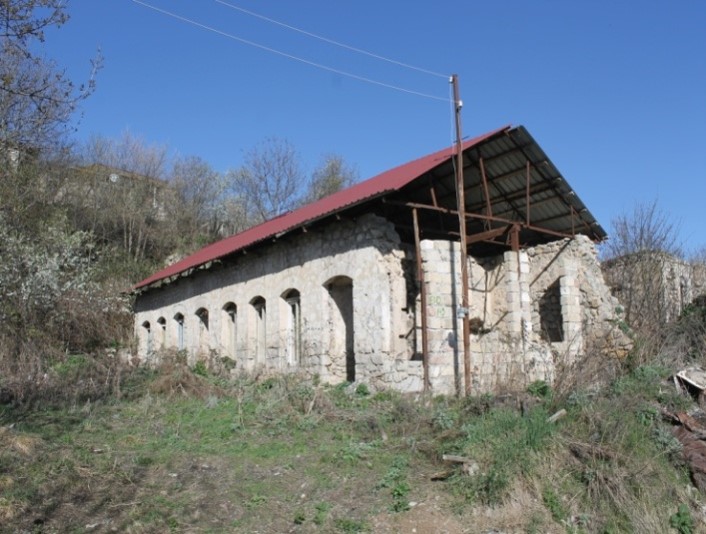
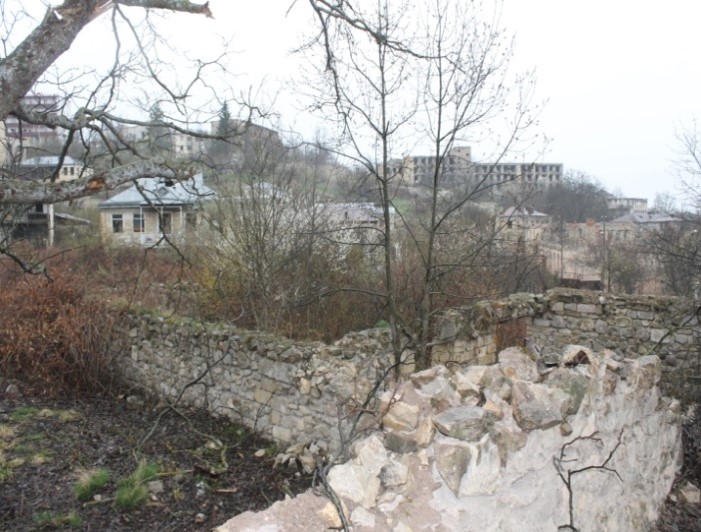
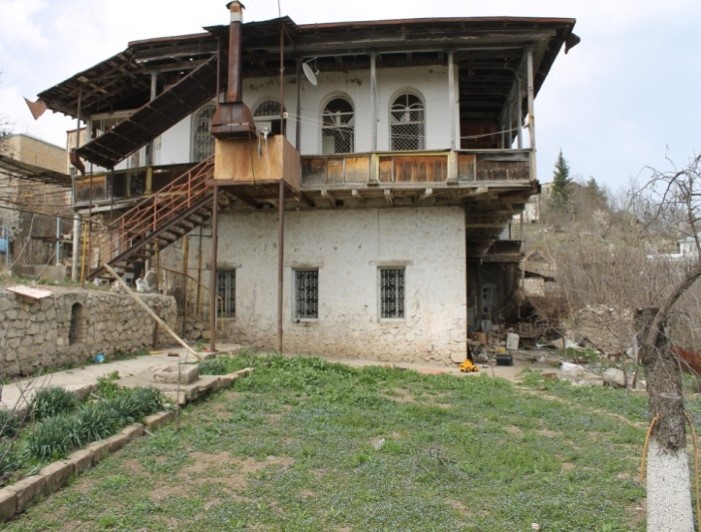
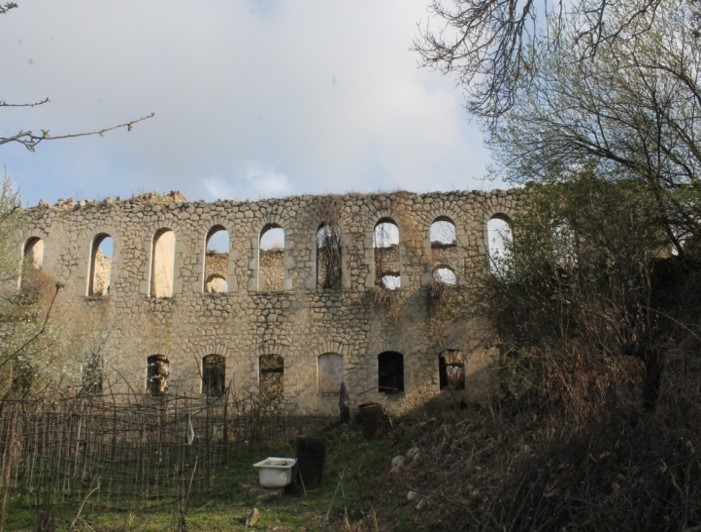
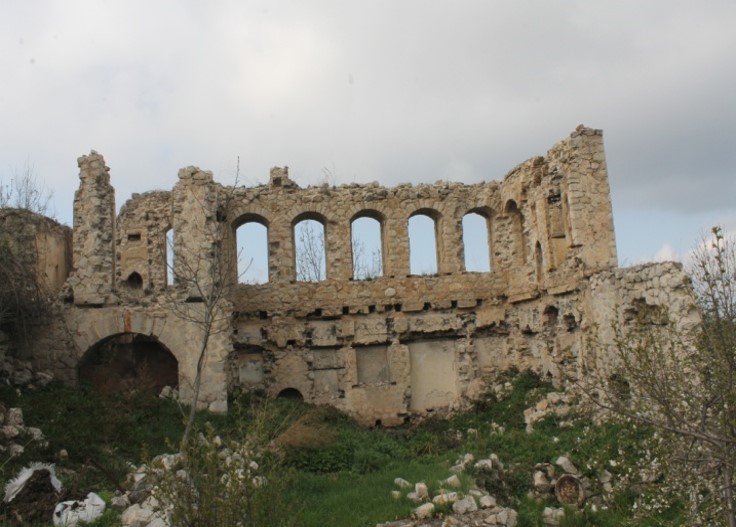
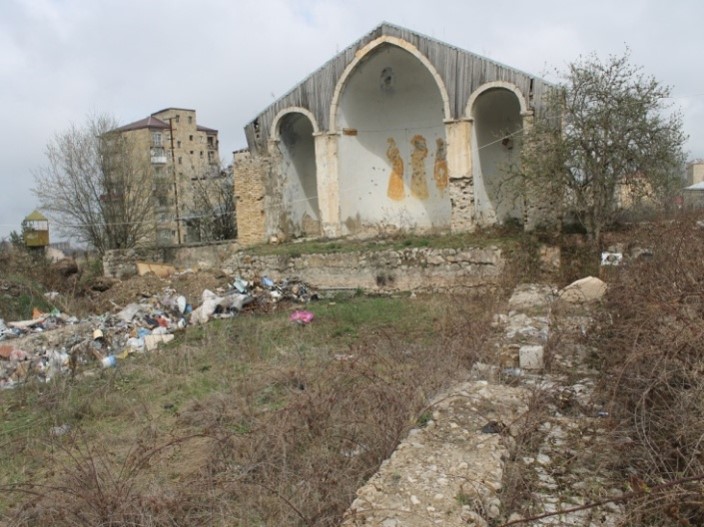
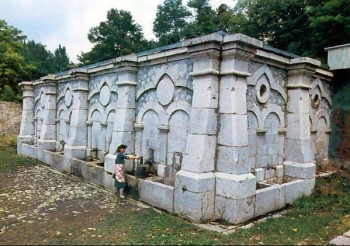
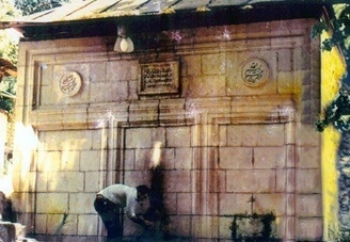
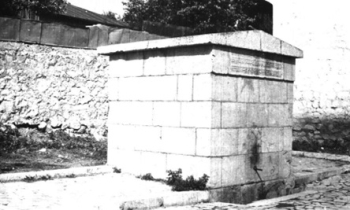
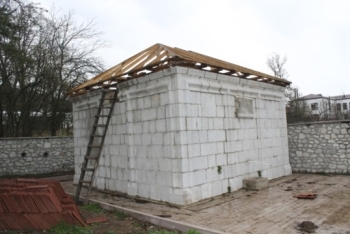
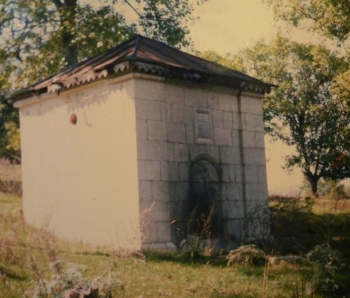
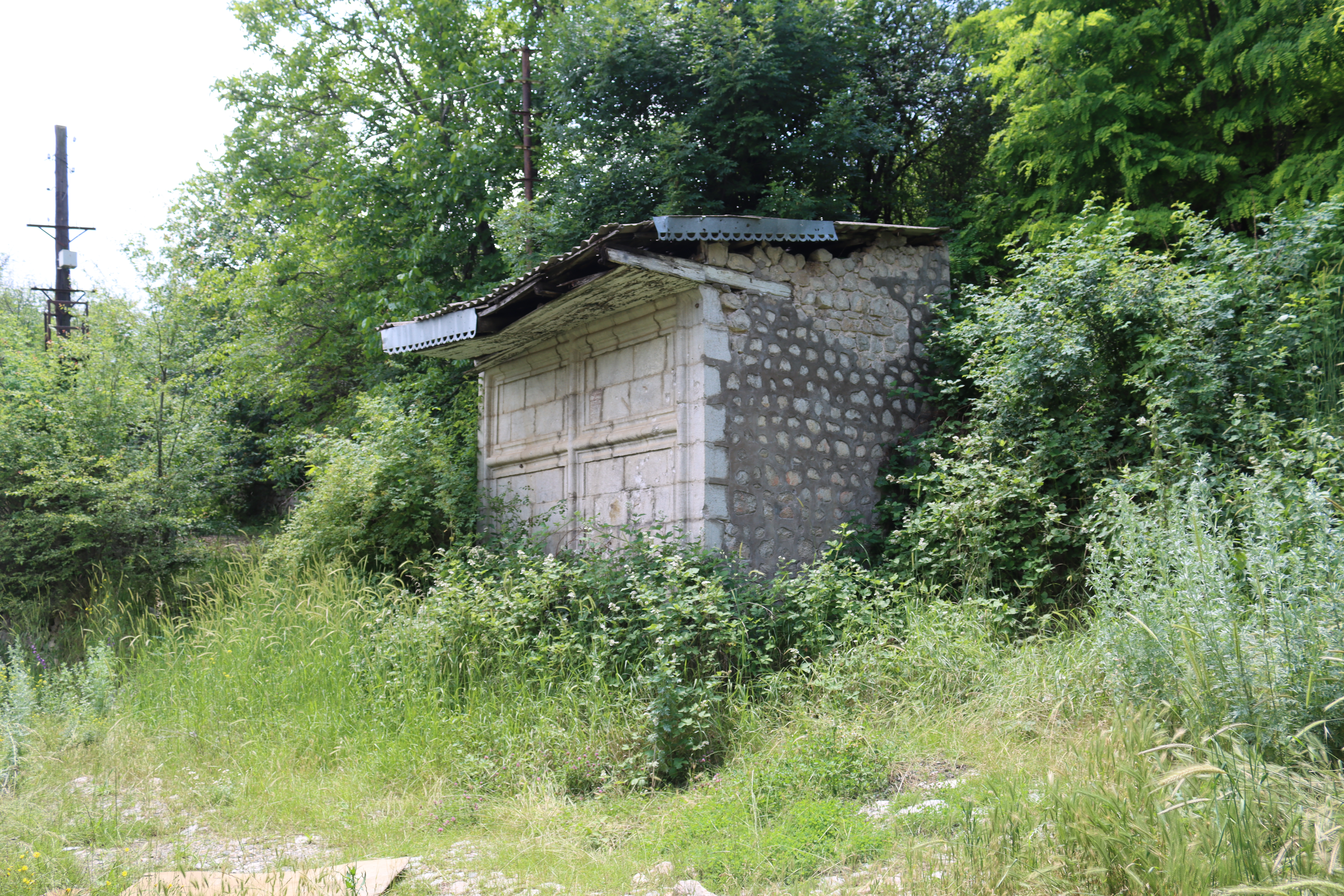
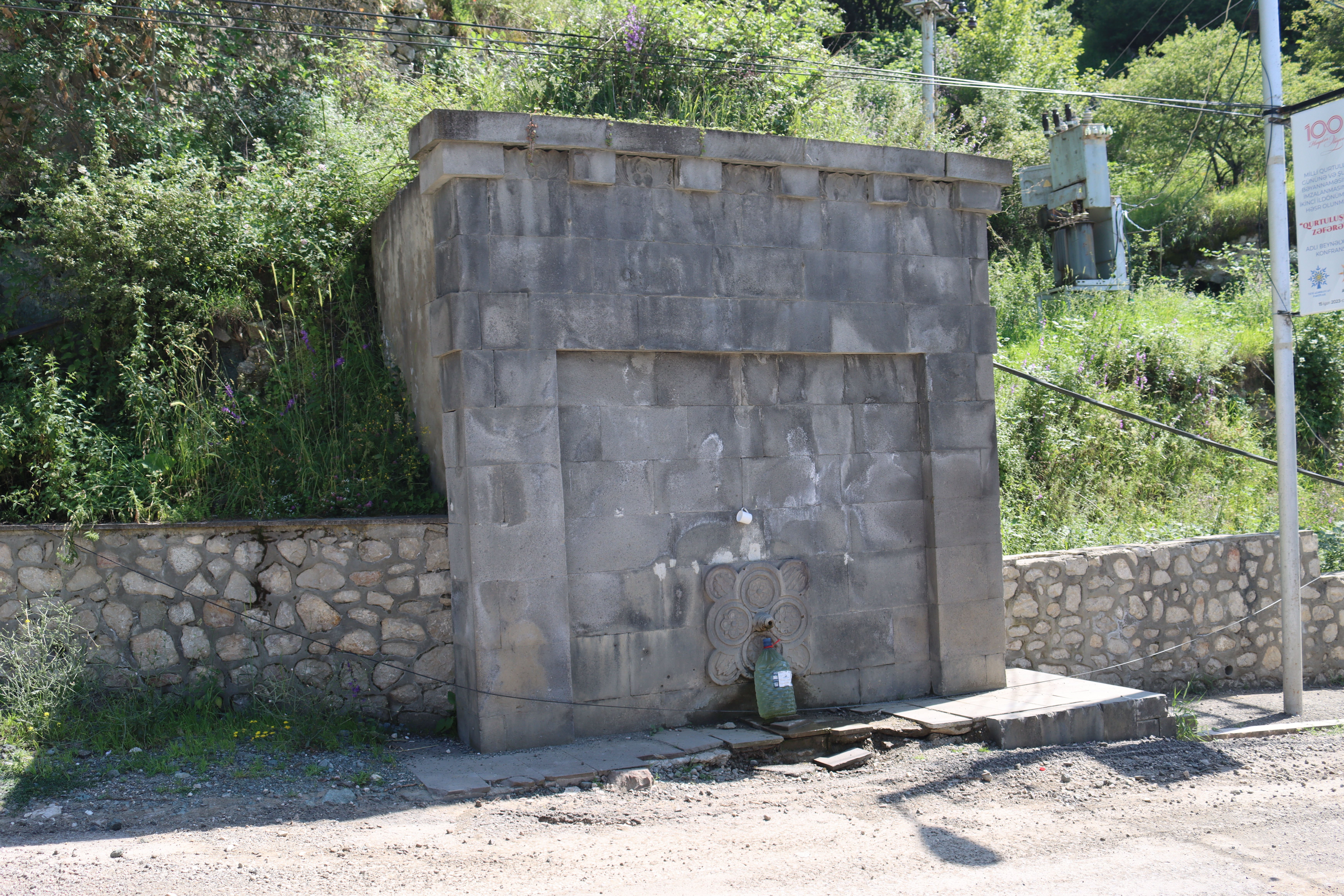
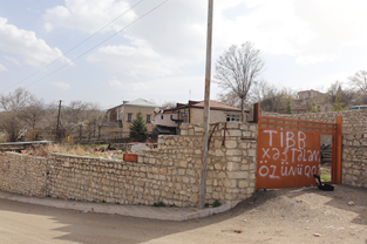
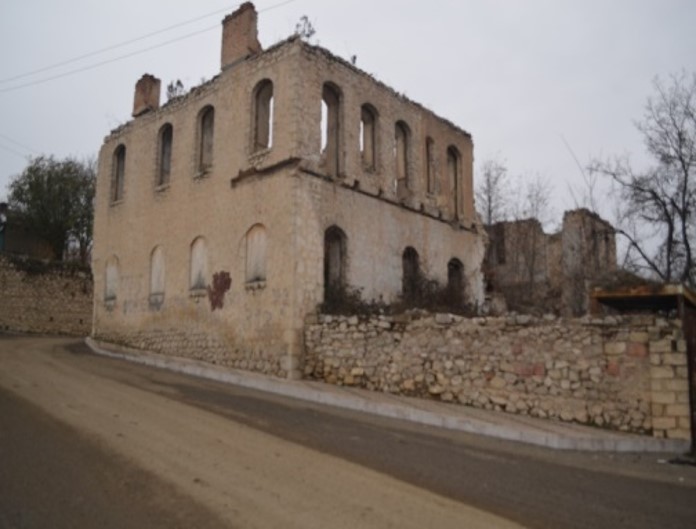
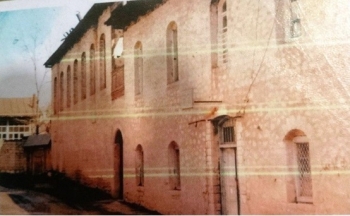
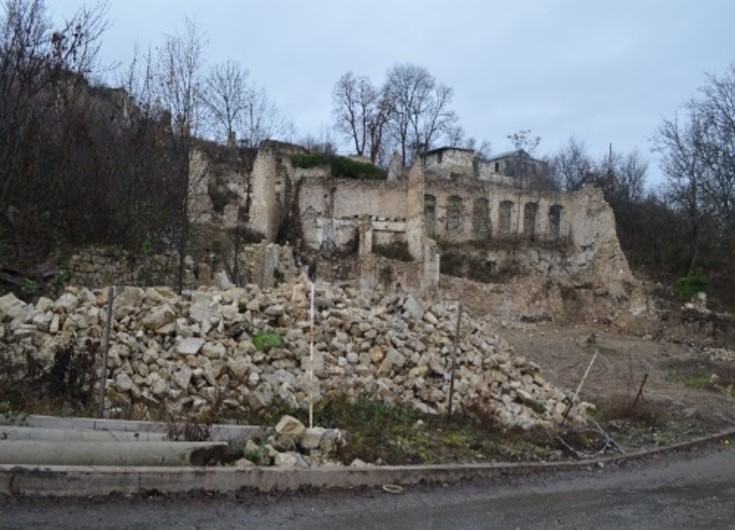
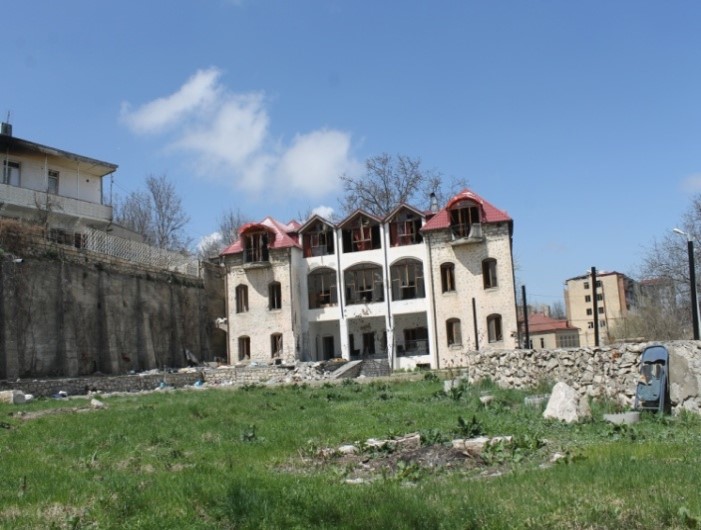
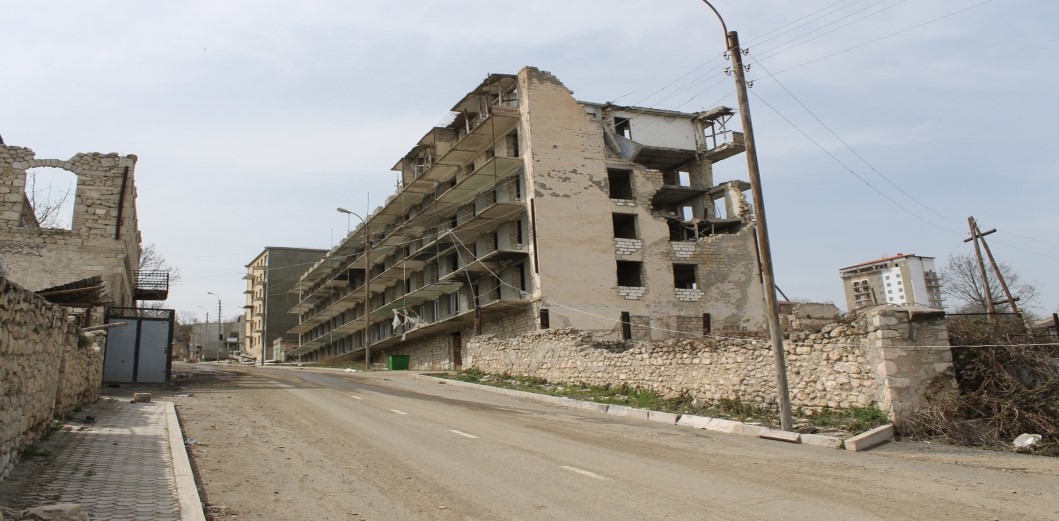
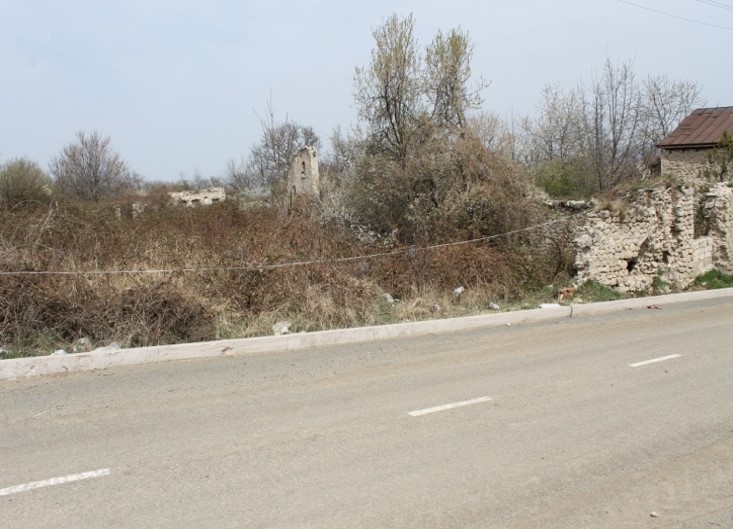
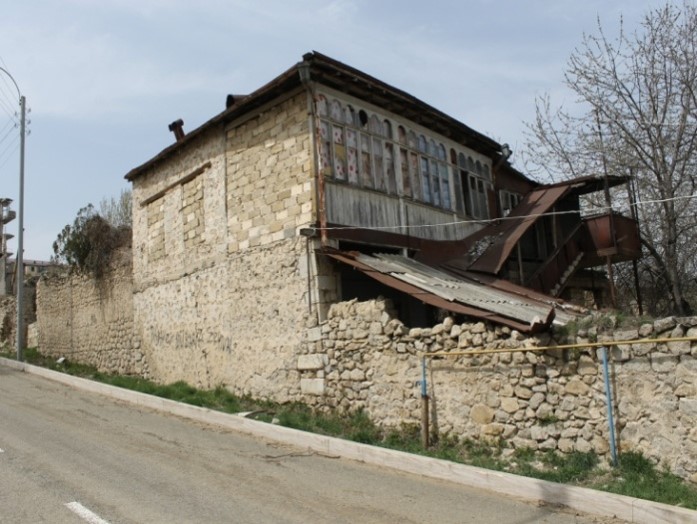
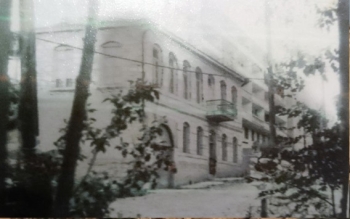
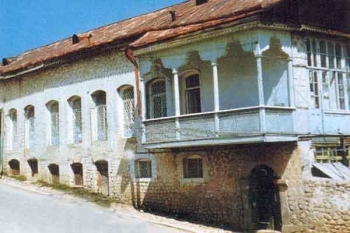
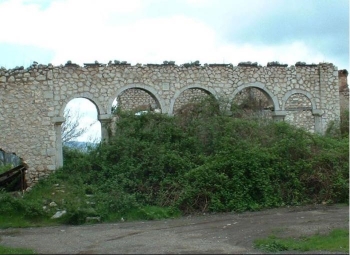
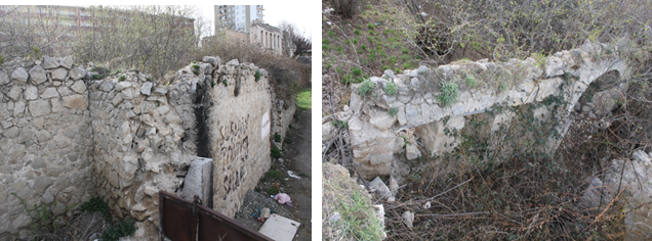
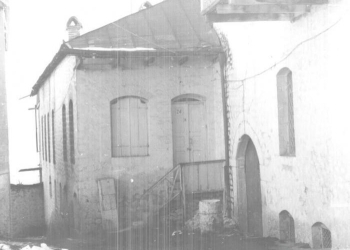
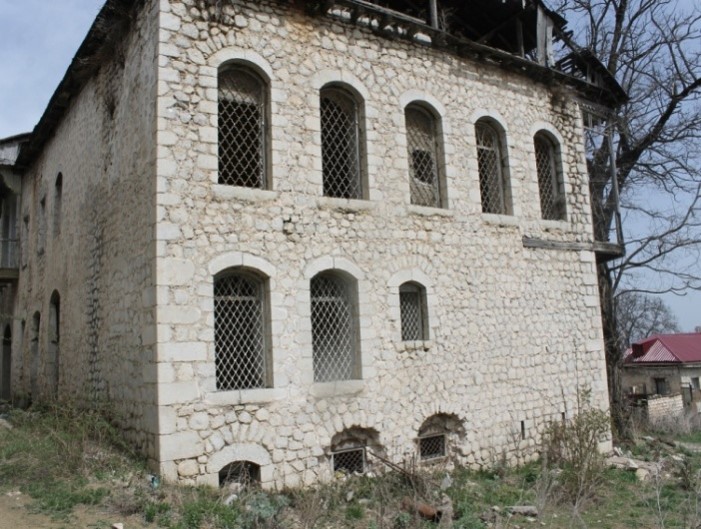
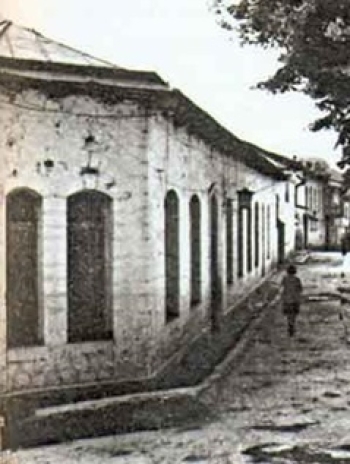
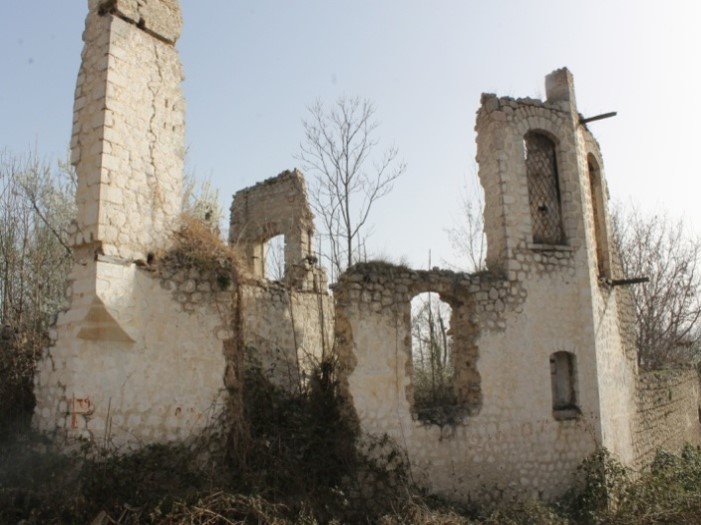
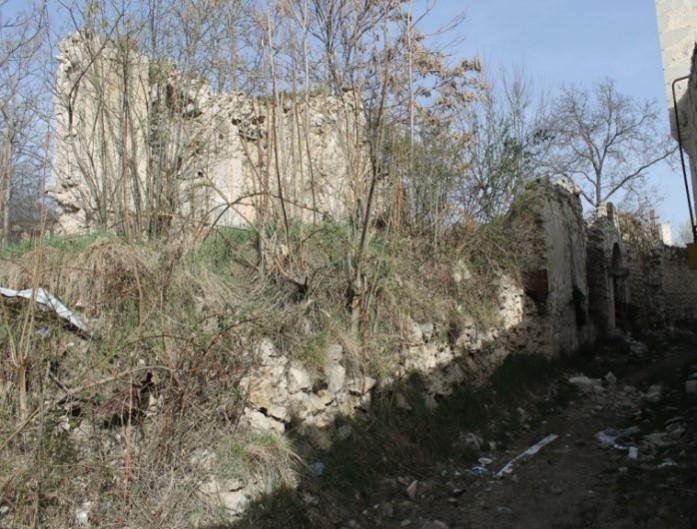
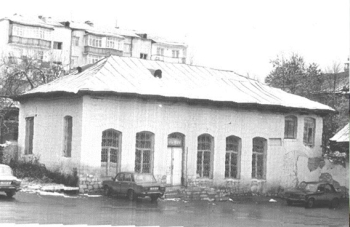
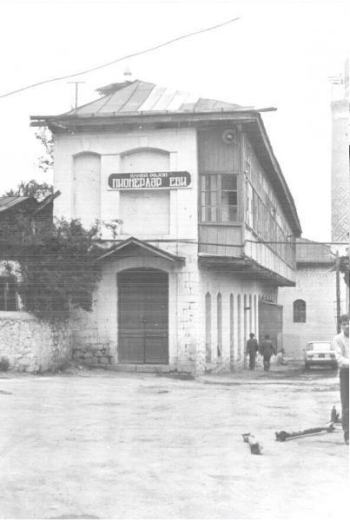
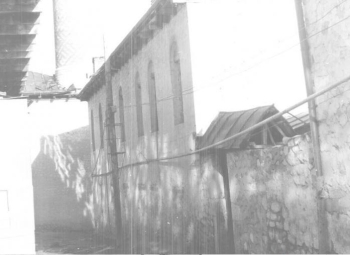
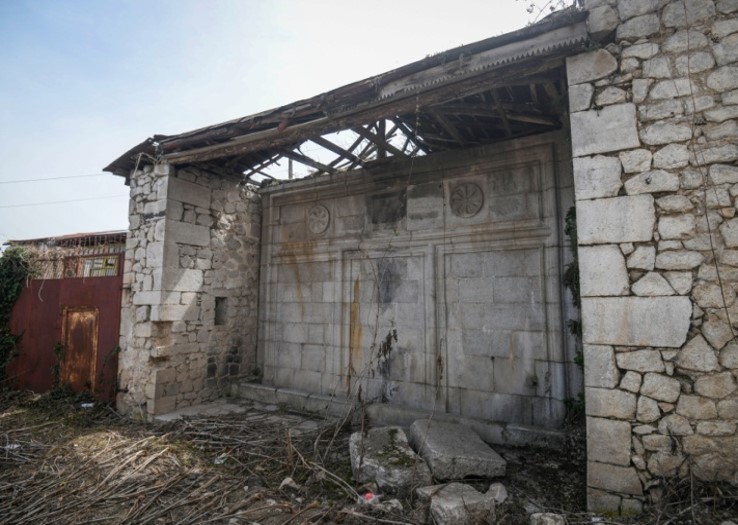
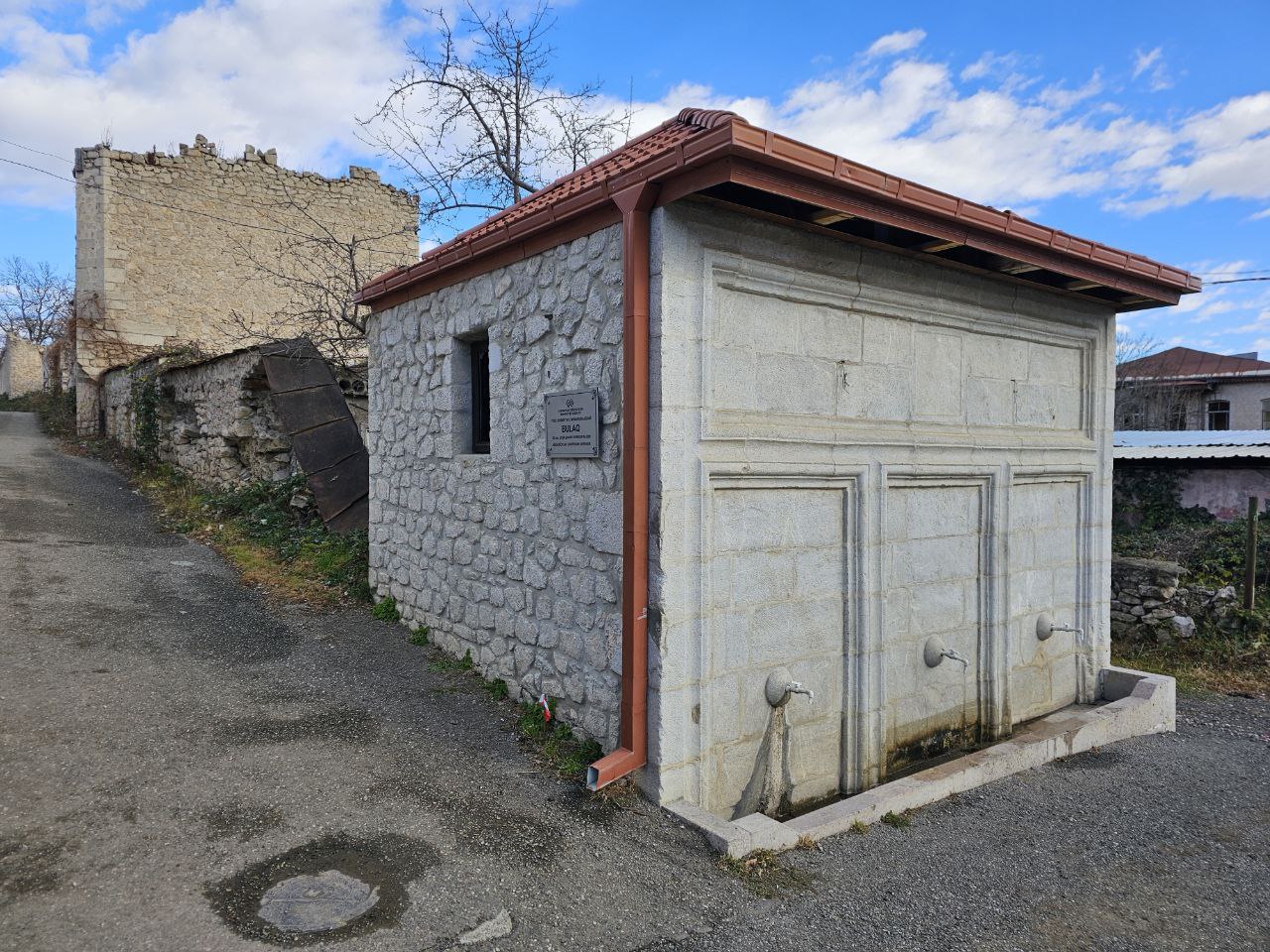
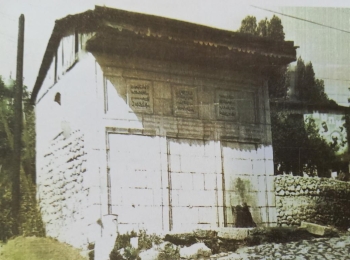
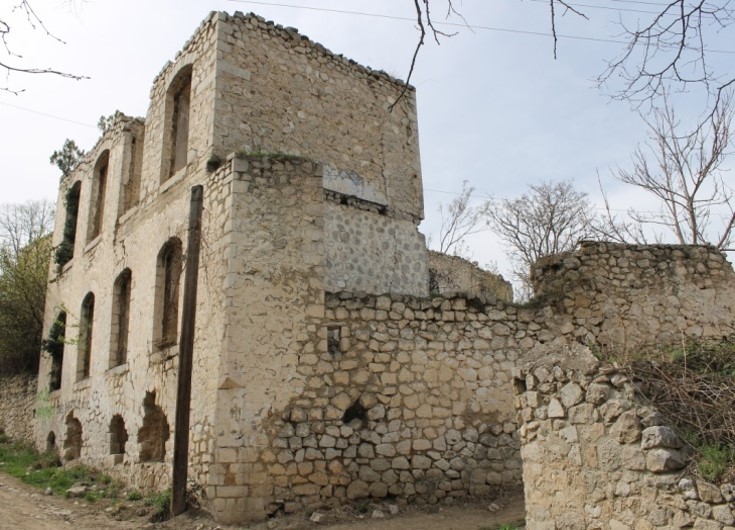
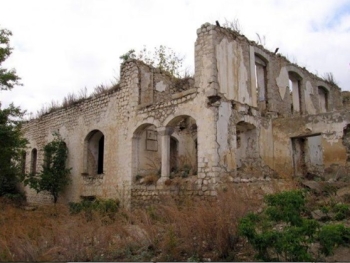
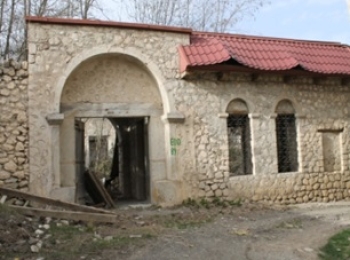
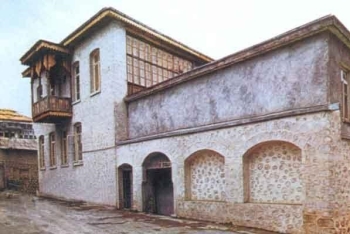
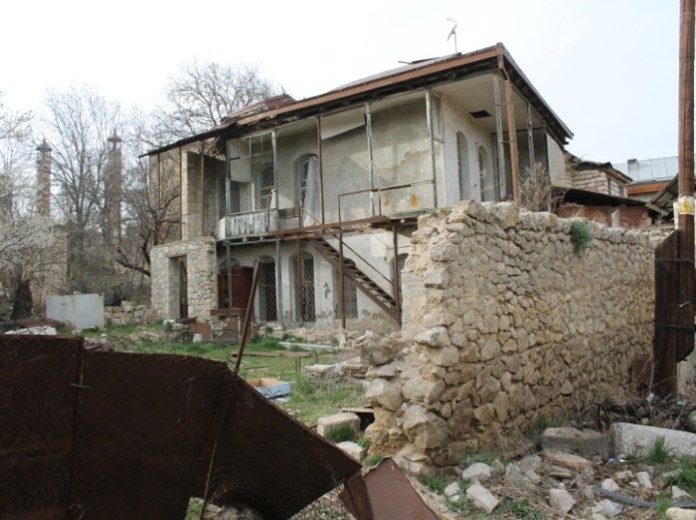
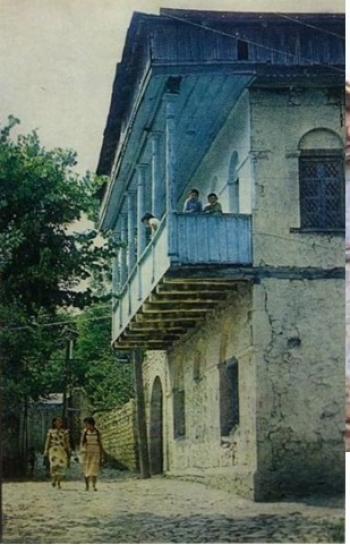
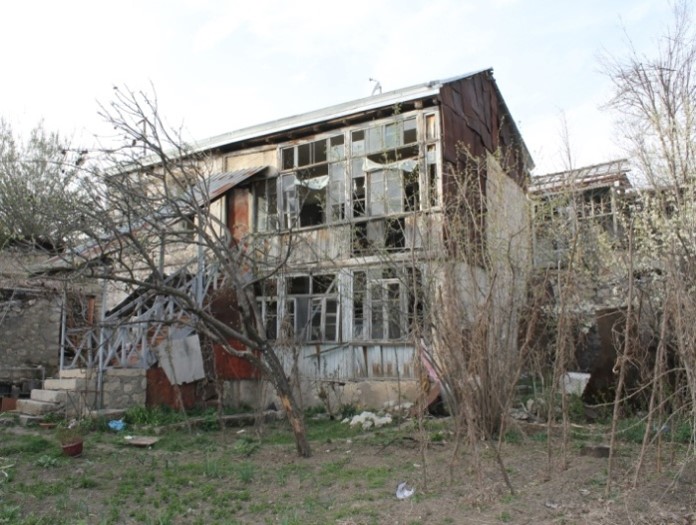
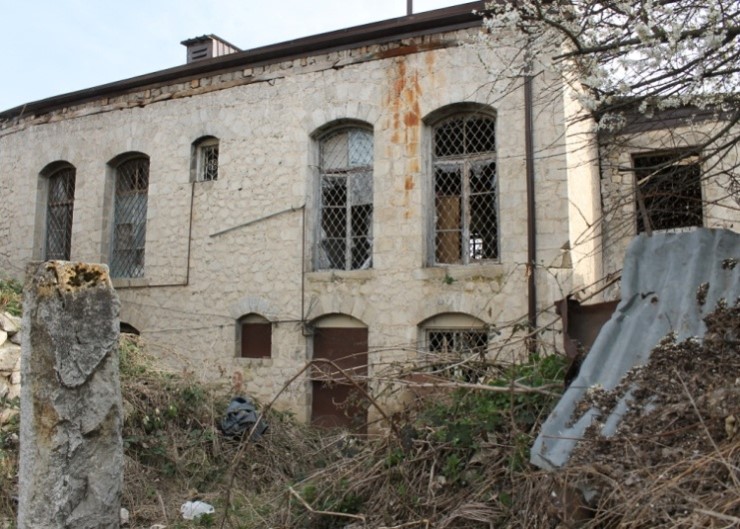
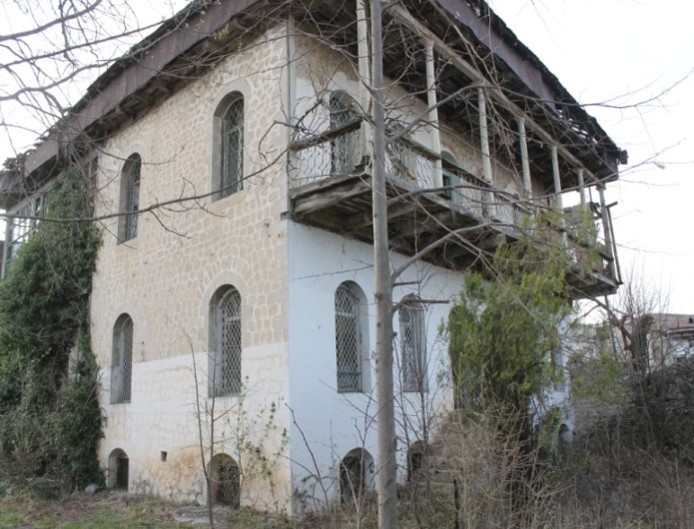
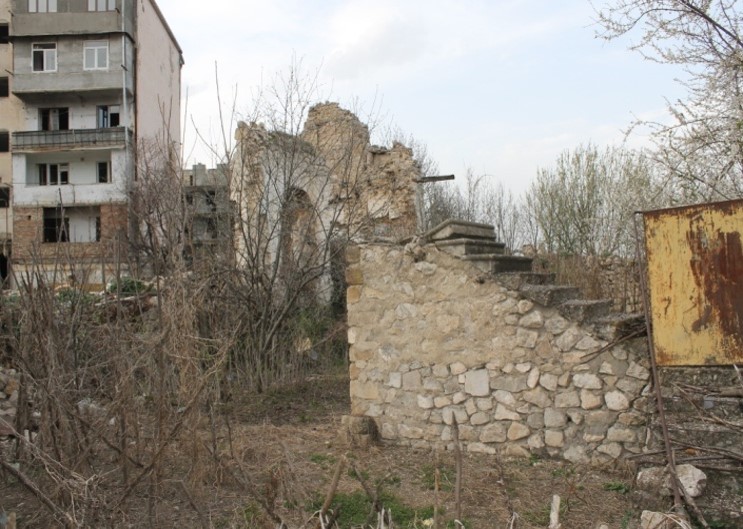
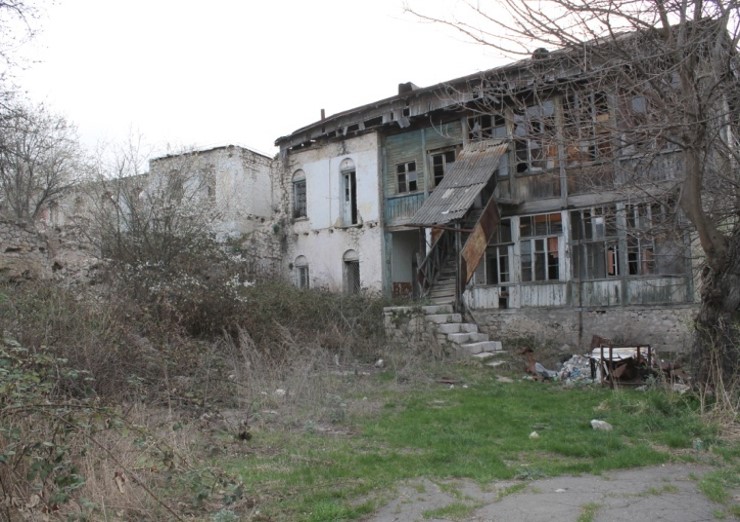
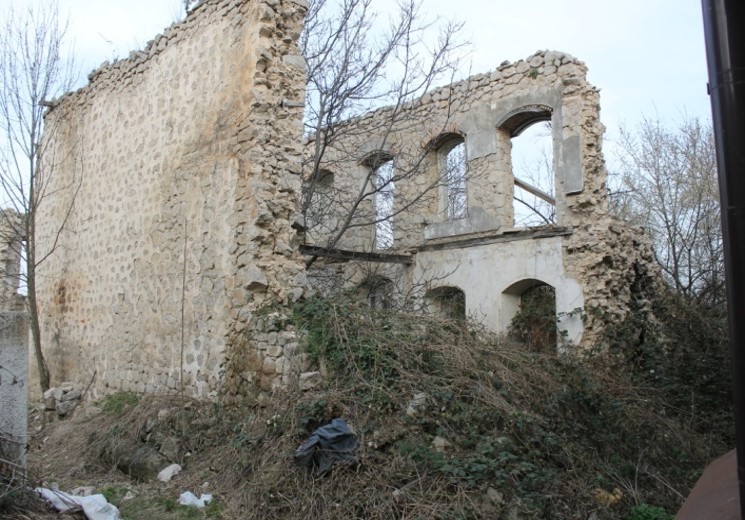
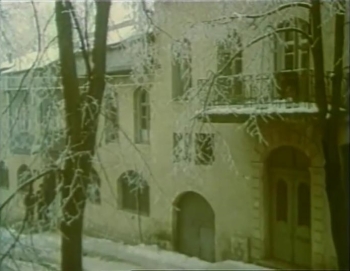
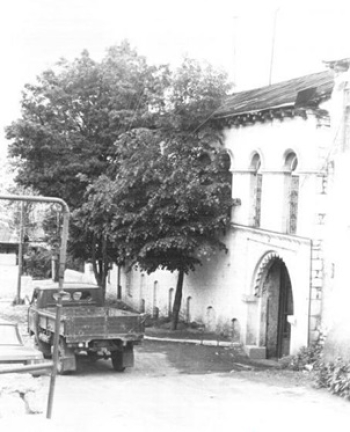
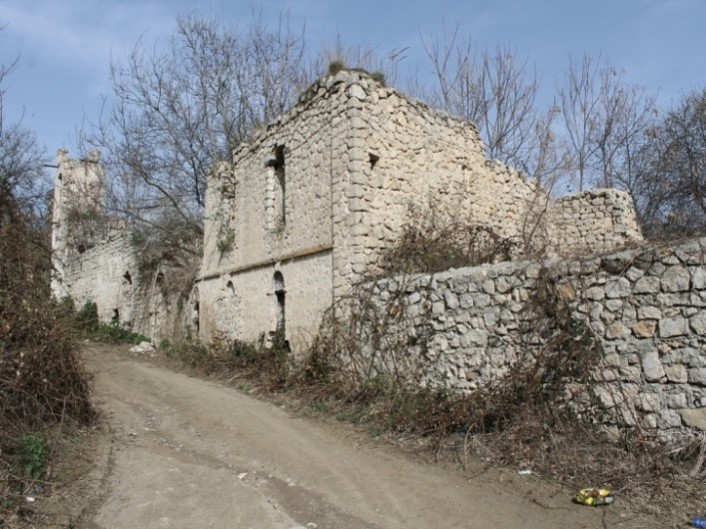
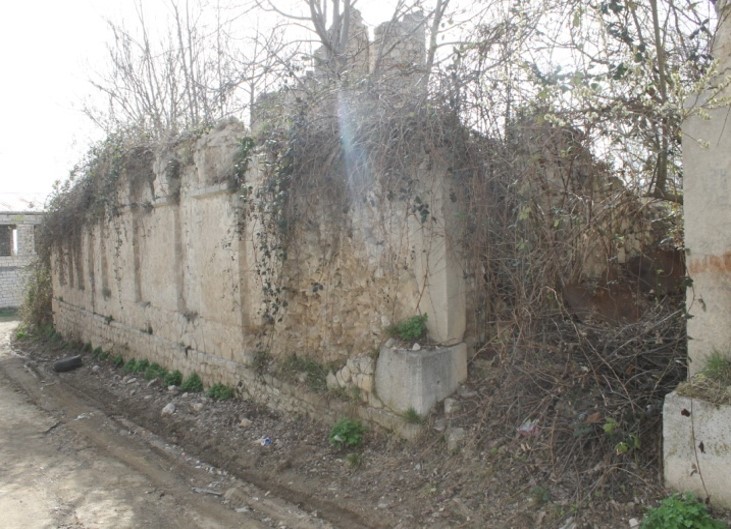
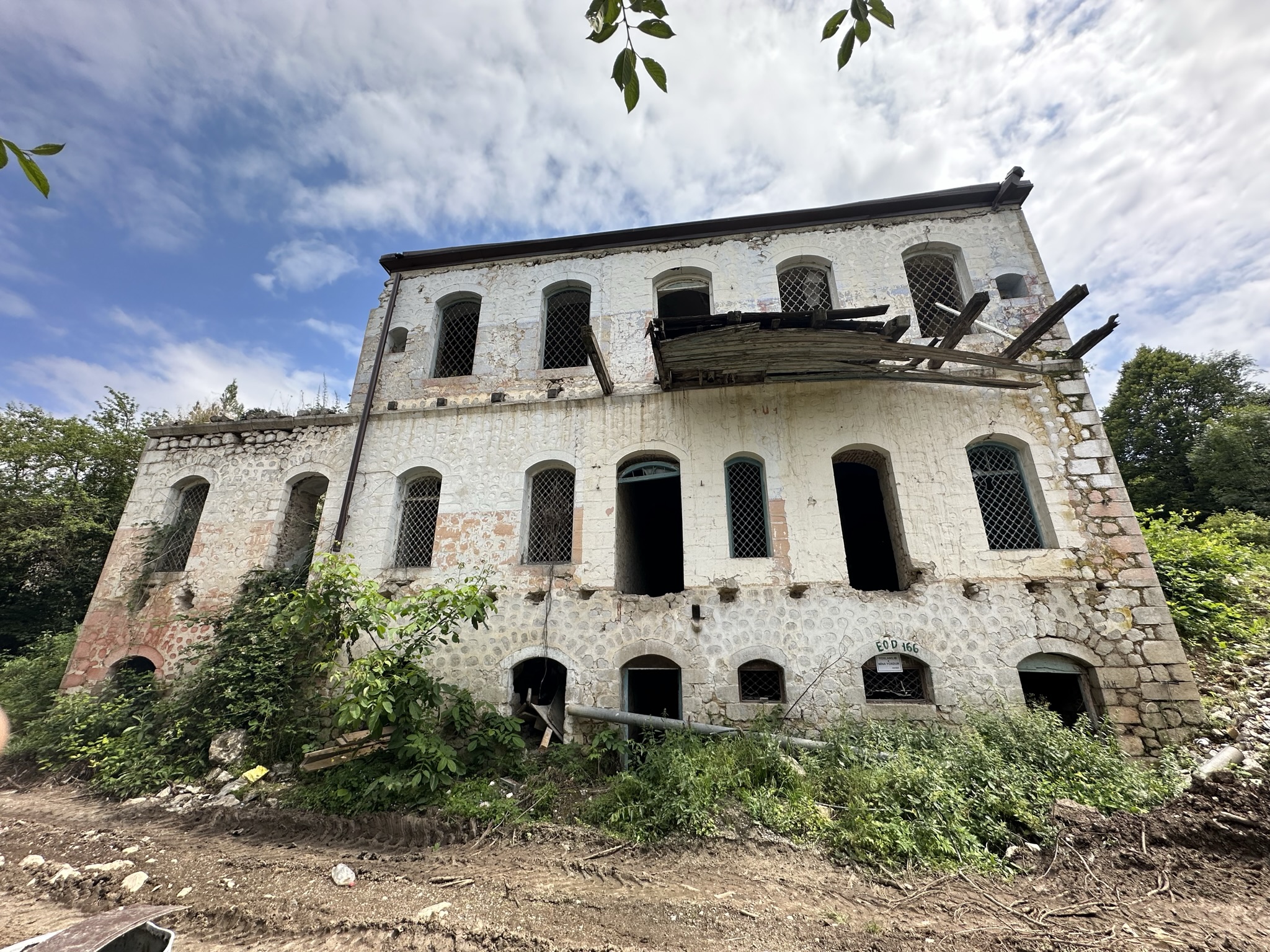
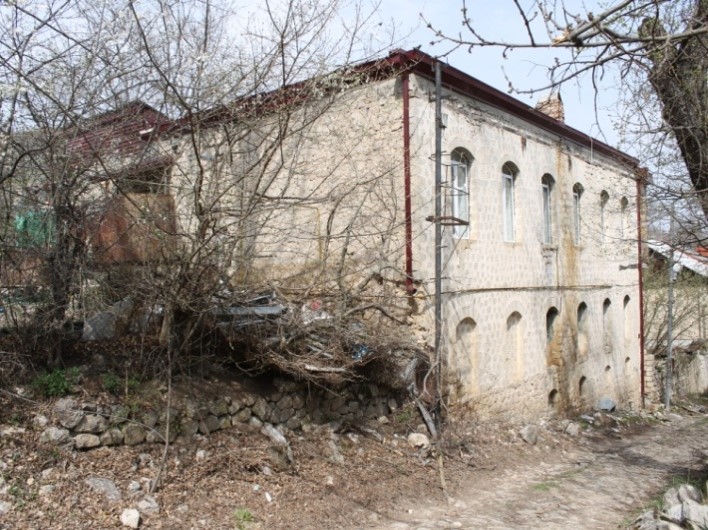
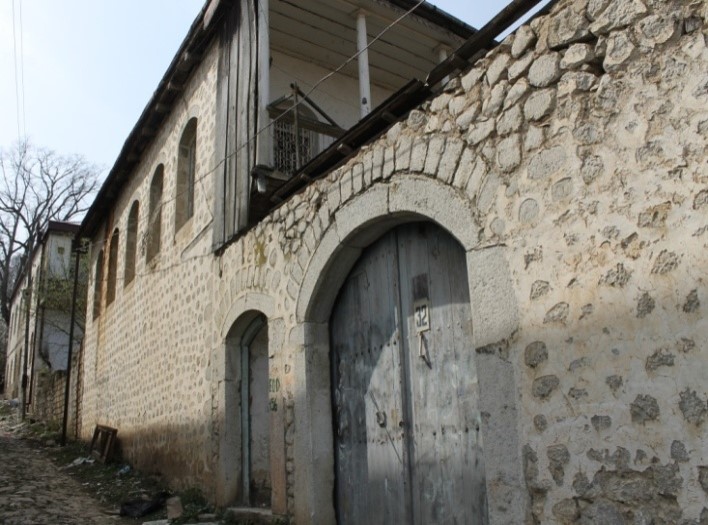
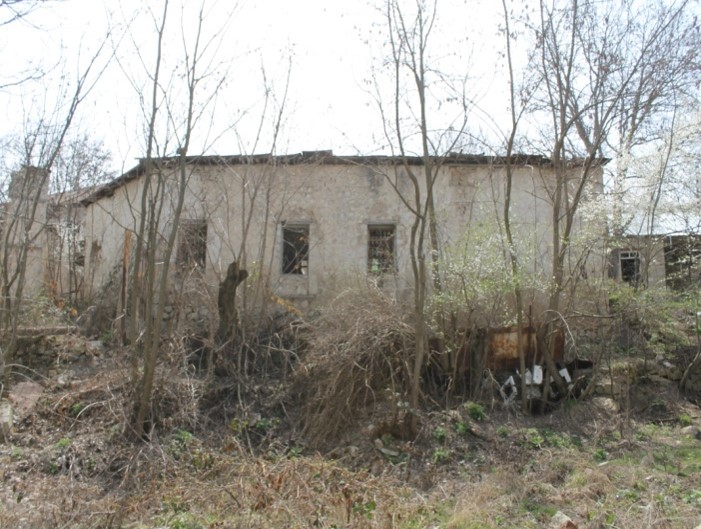
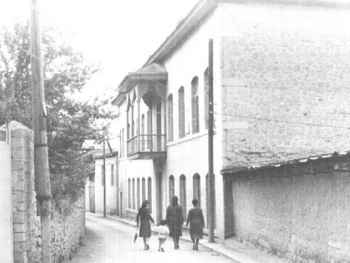
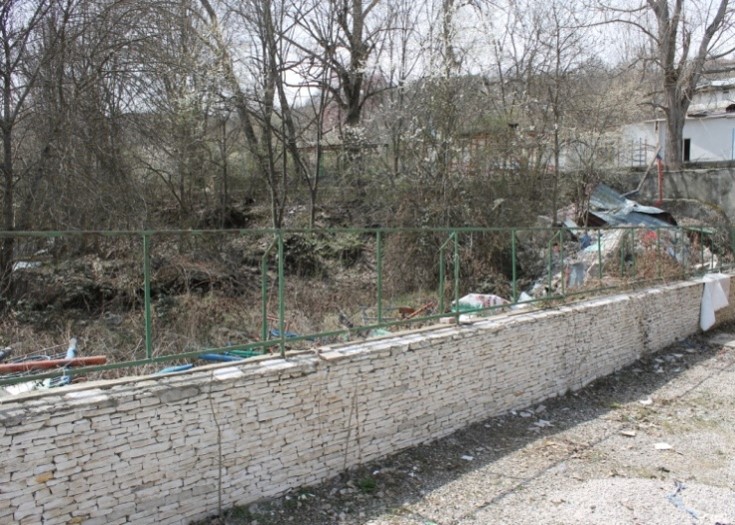
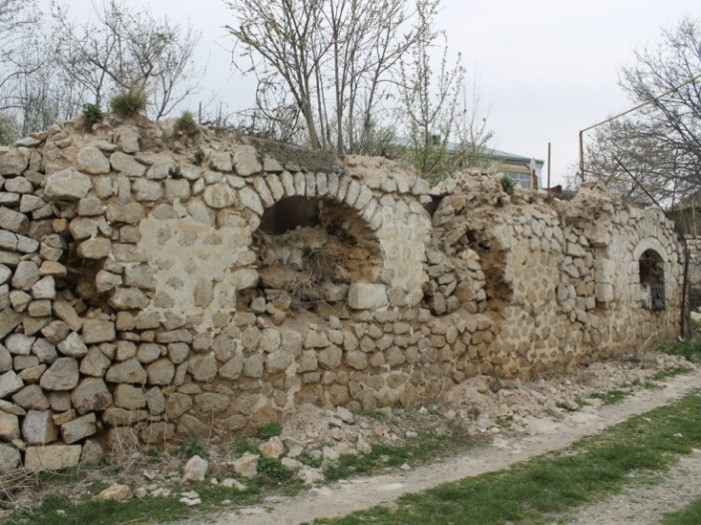
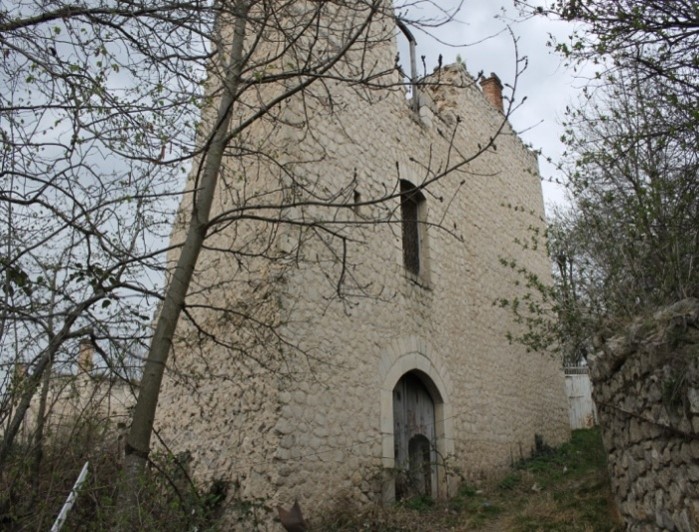
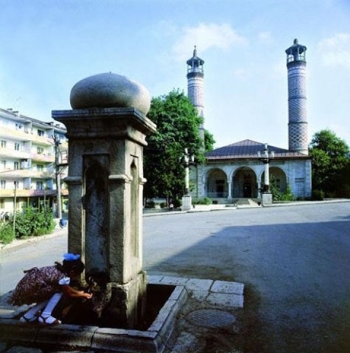
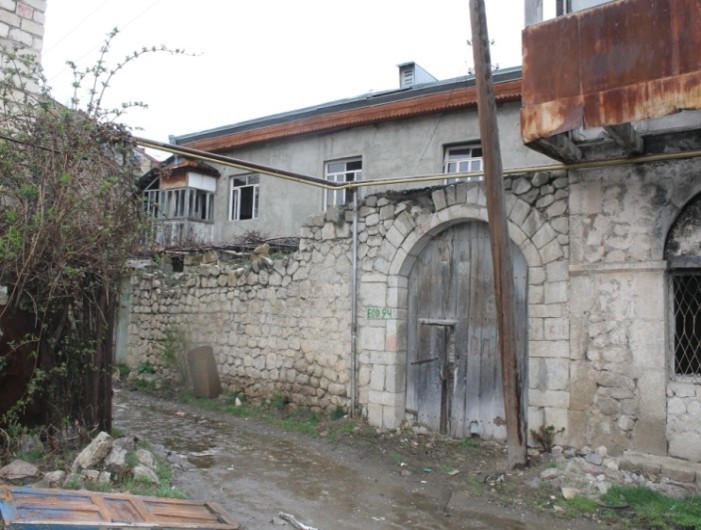
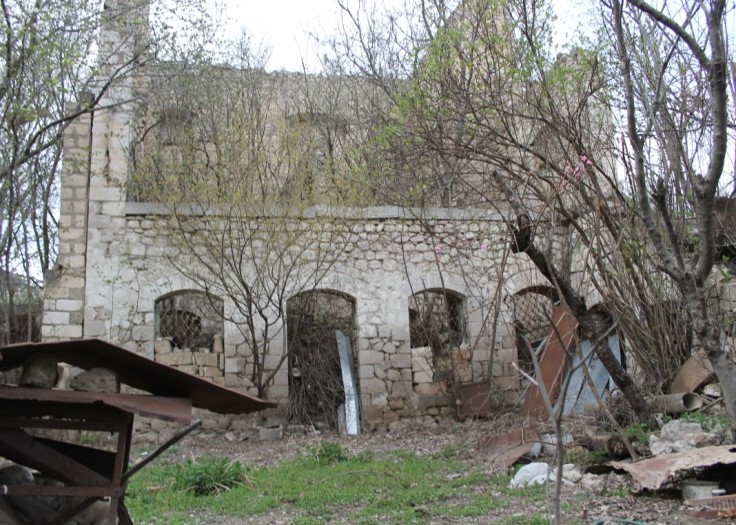
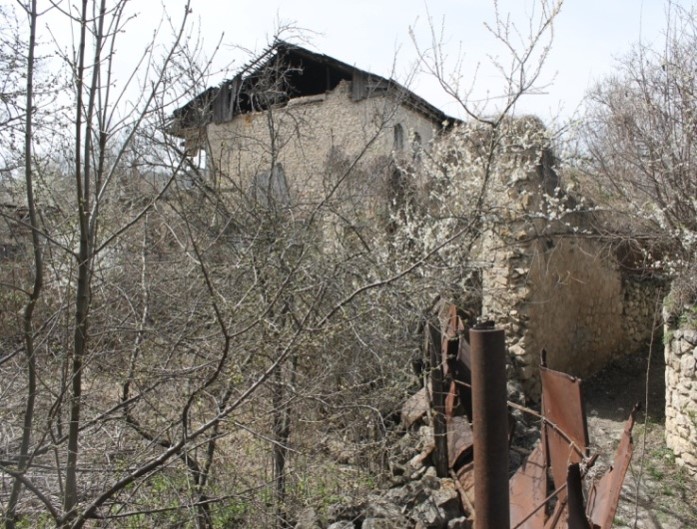
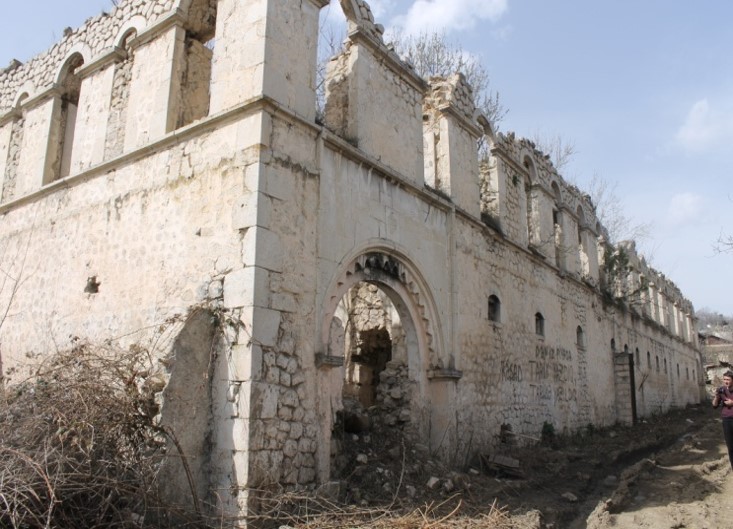
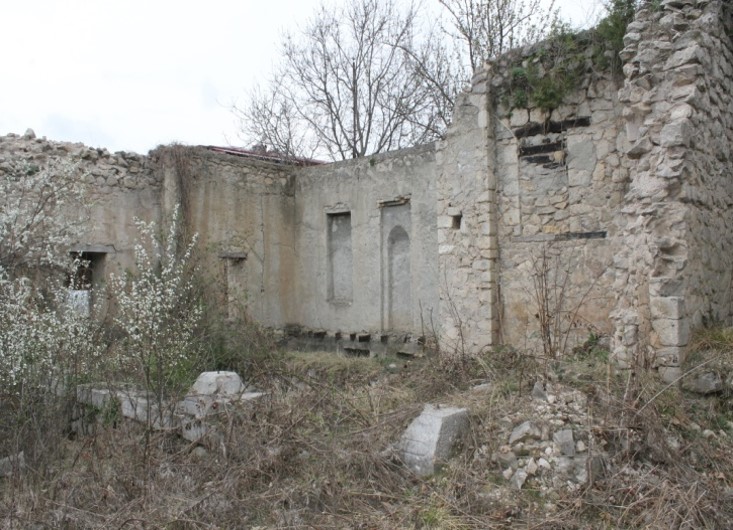
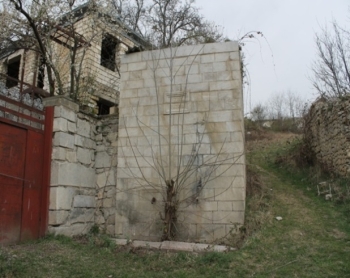
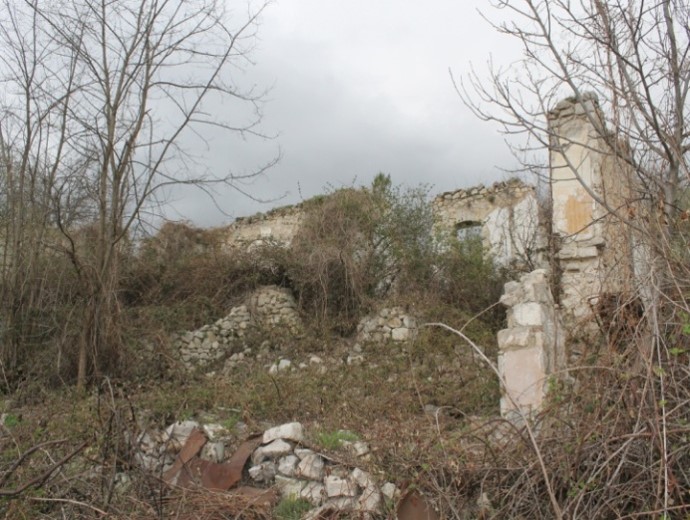
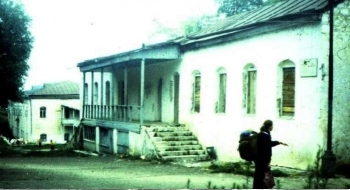
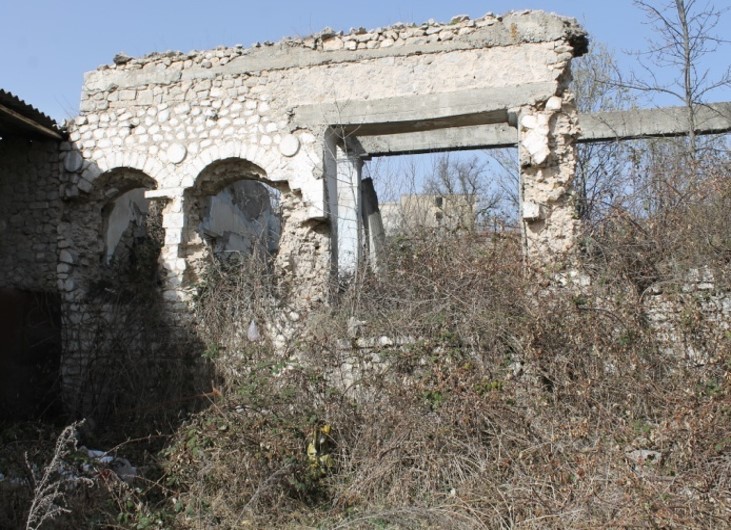
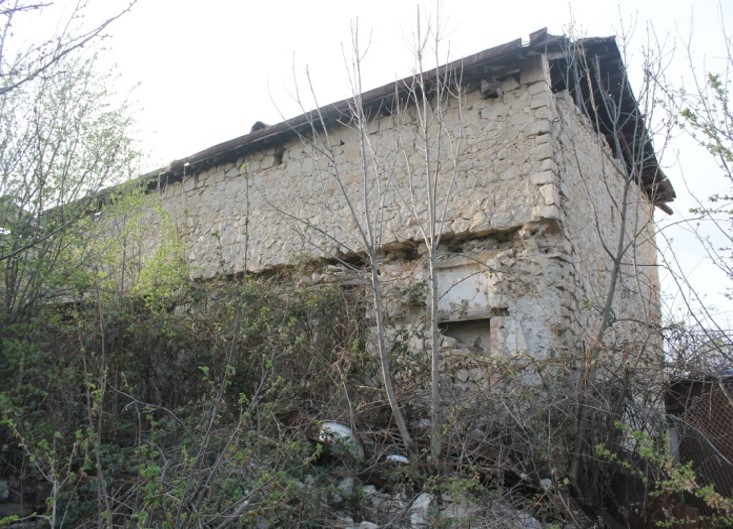
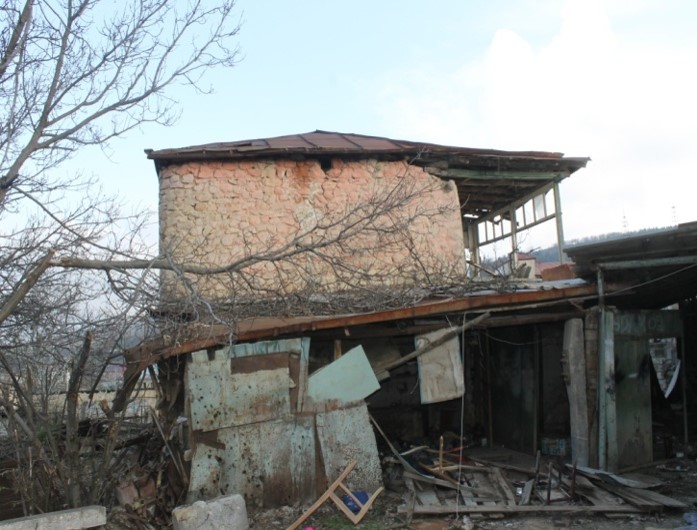
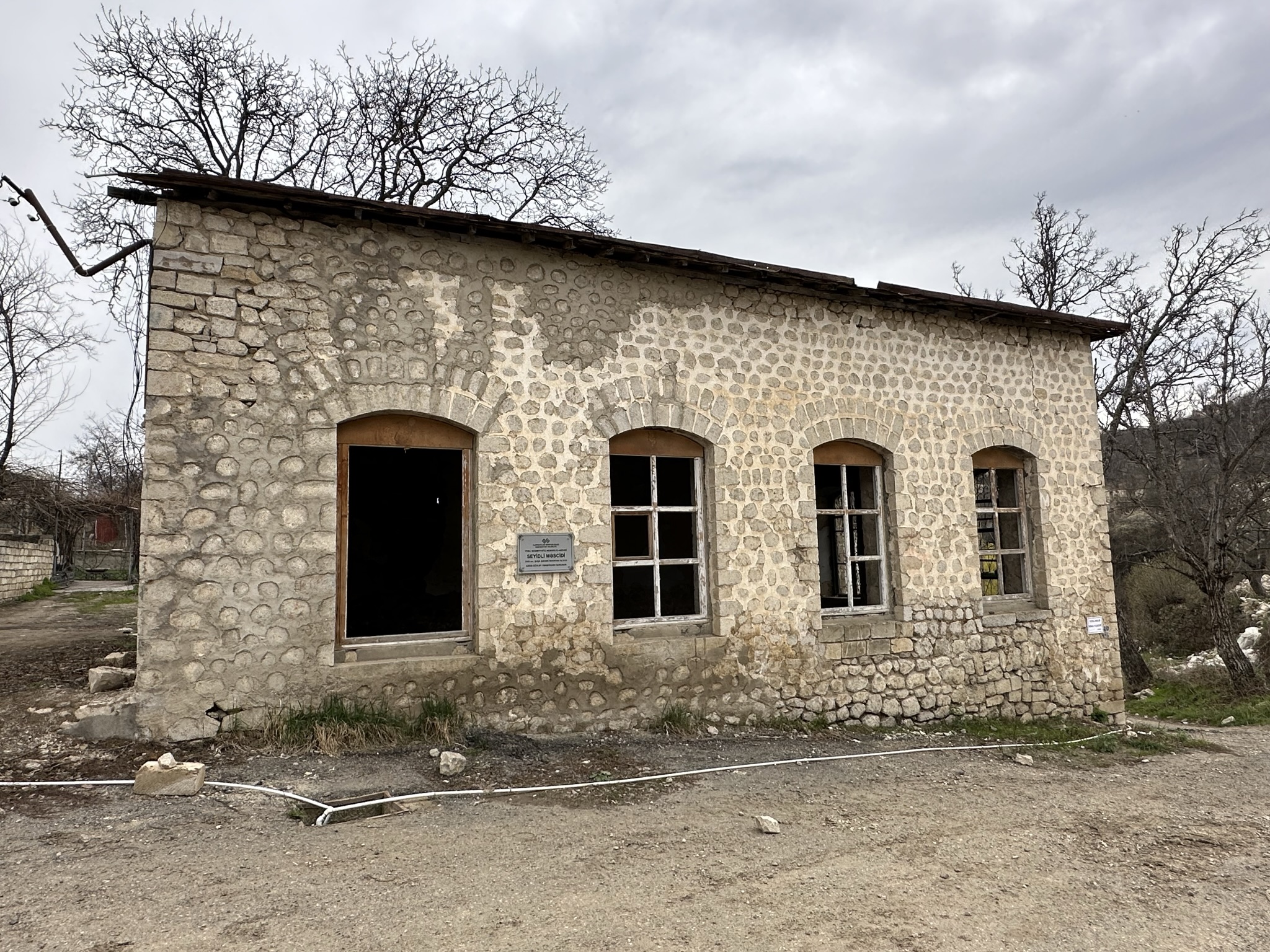
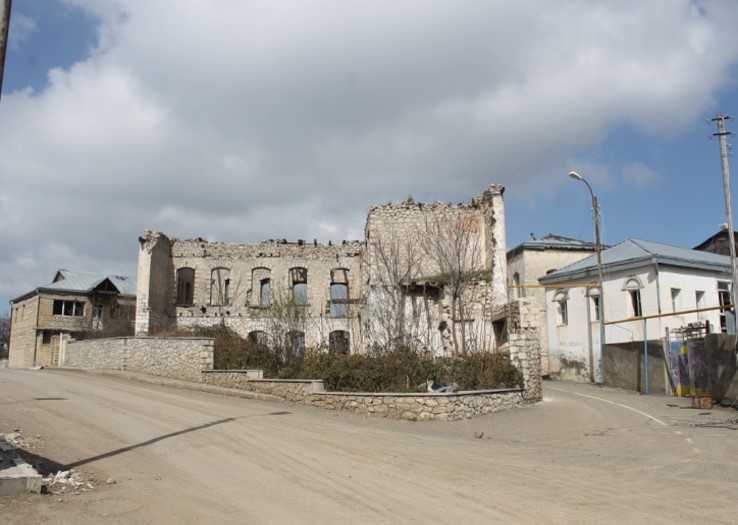
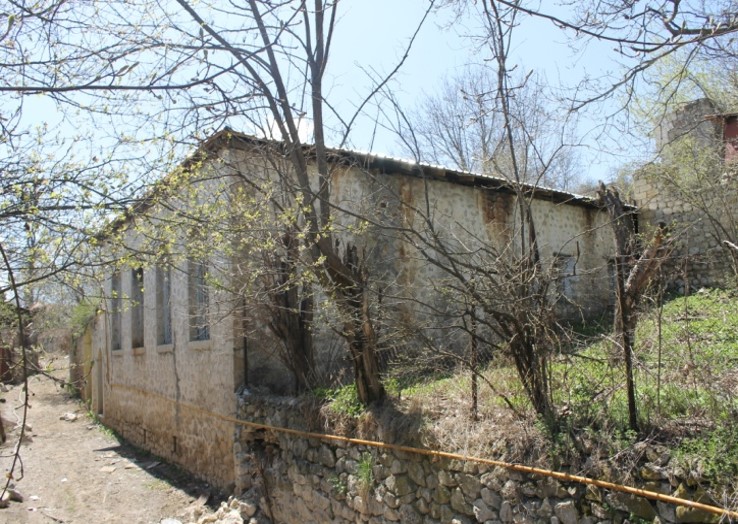
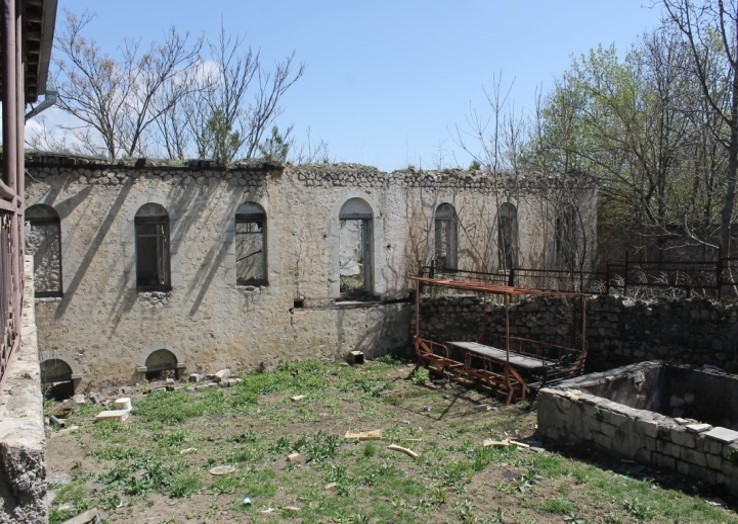
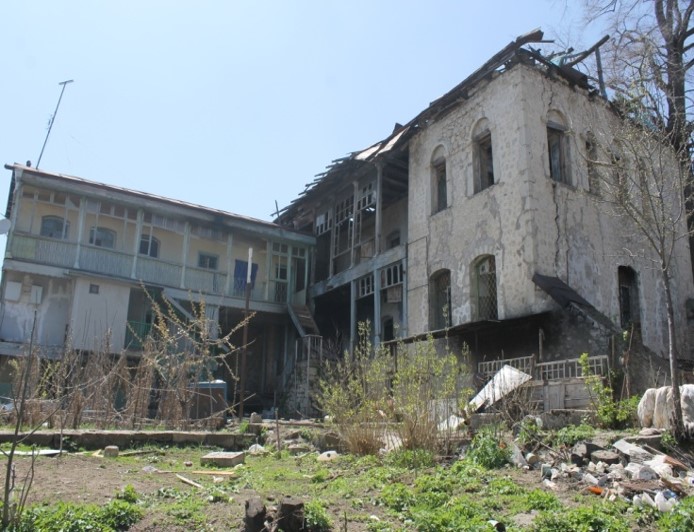
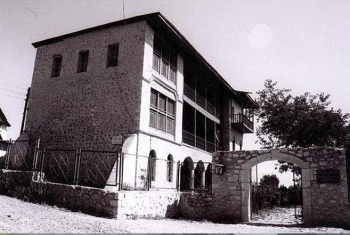
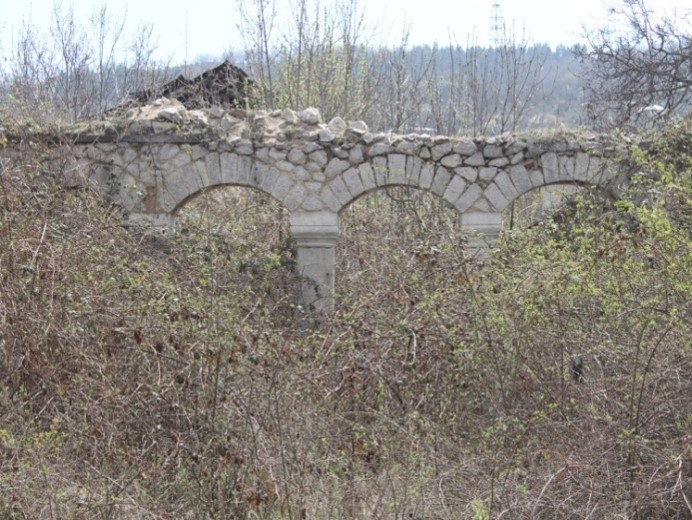
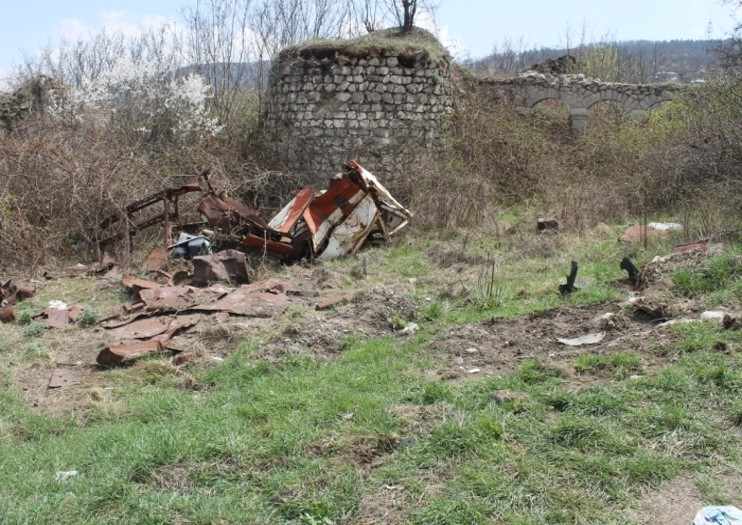
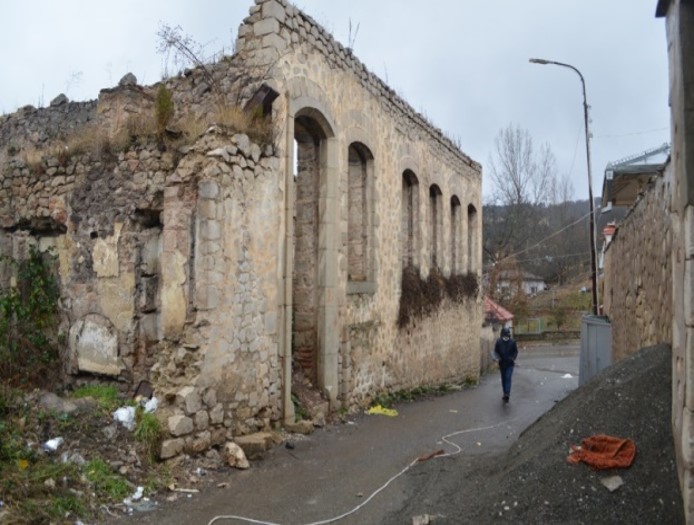
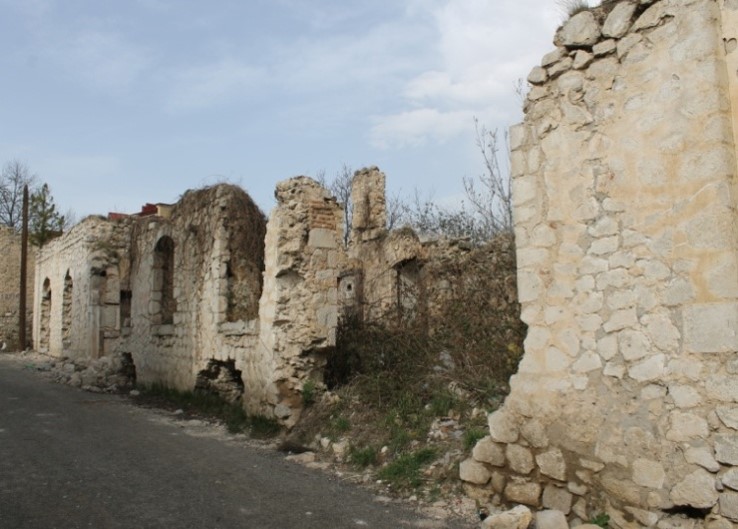
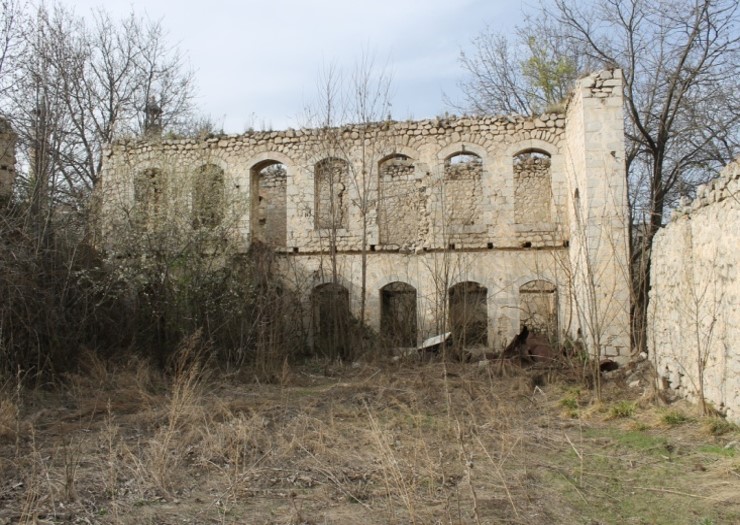
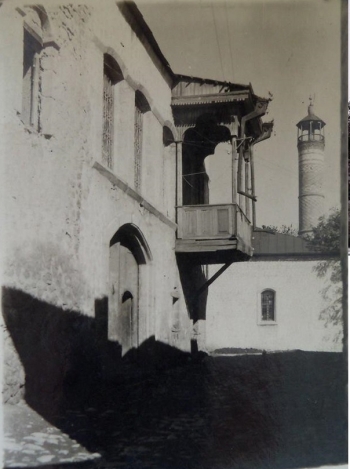
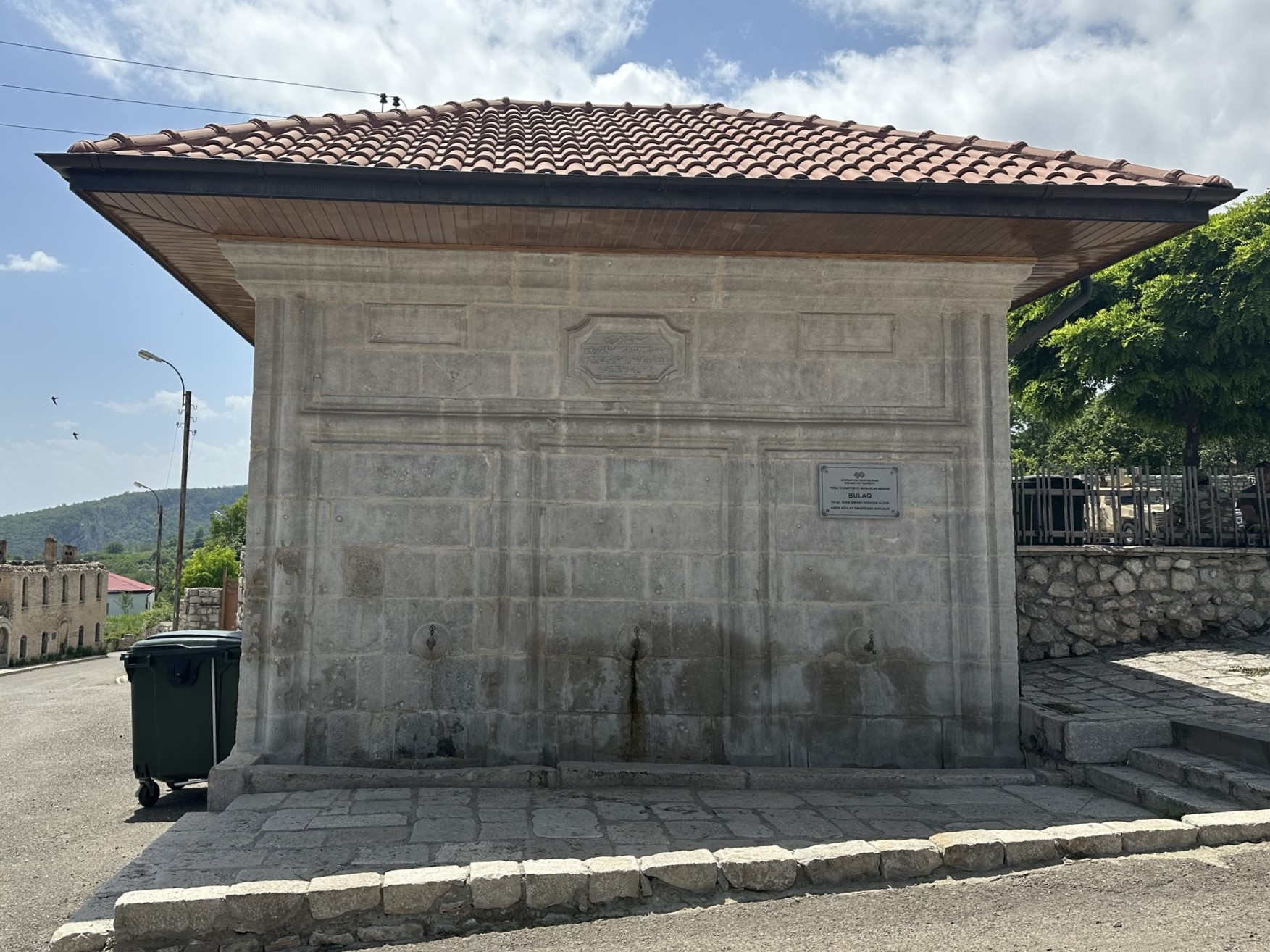
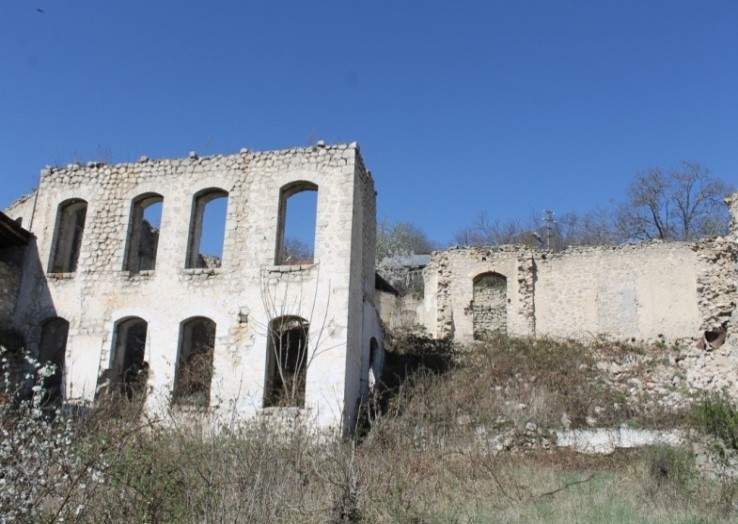
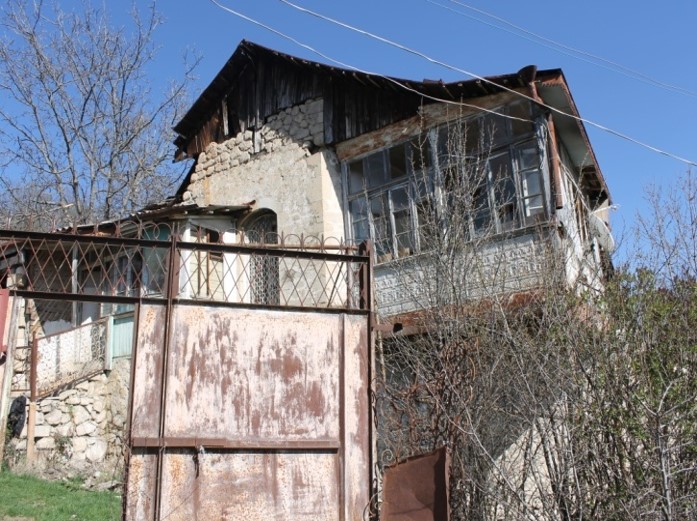
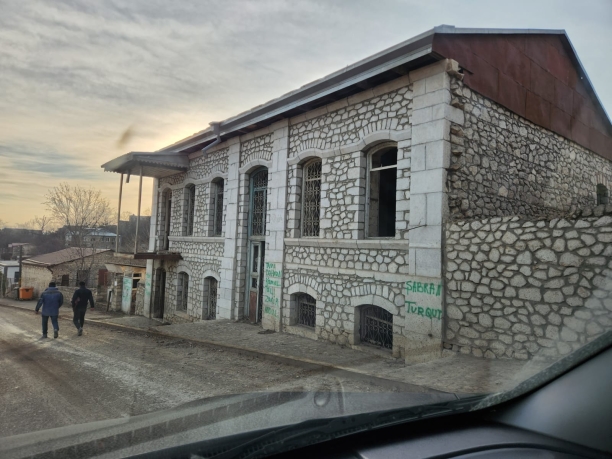
XVIII century architectural monument of national importance. Inventory number: 343
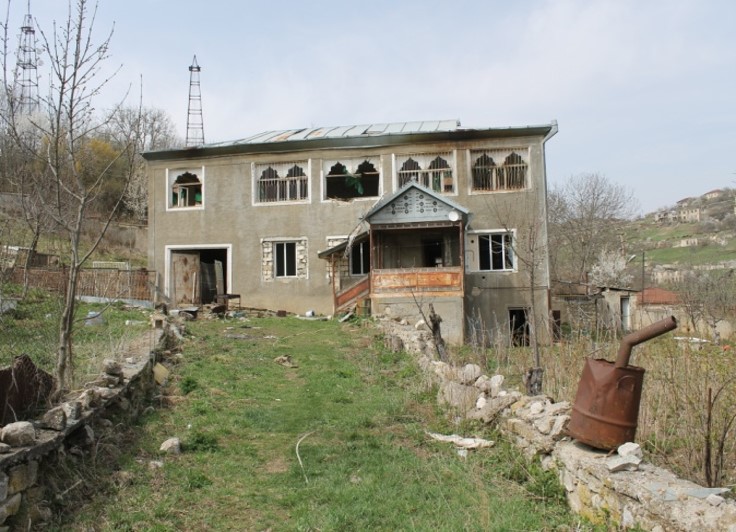
XVIII century architectural monument of national importance. Inventory number: 370
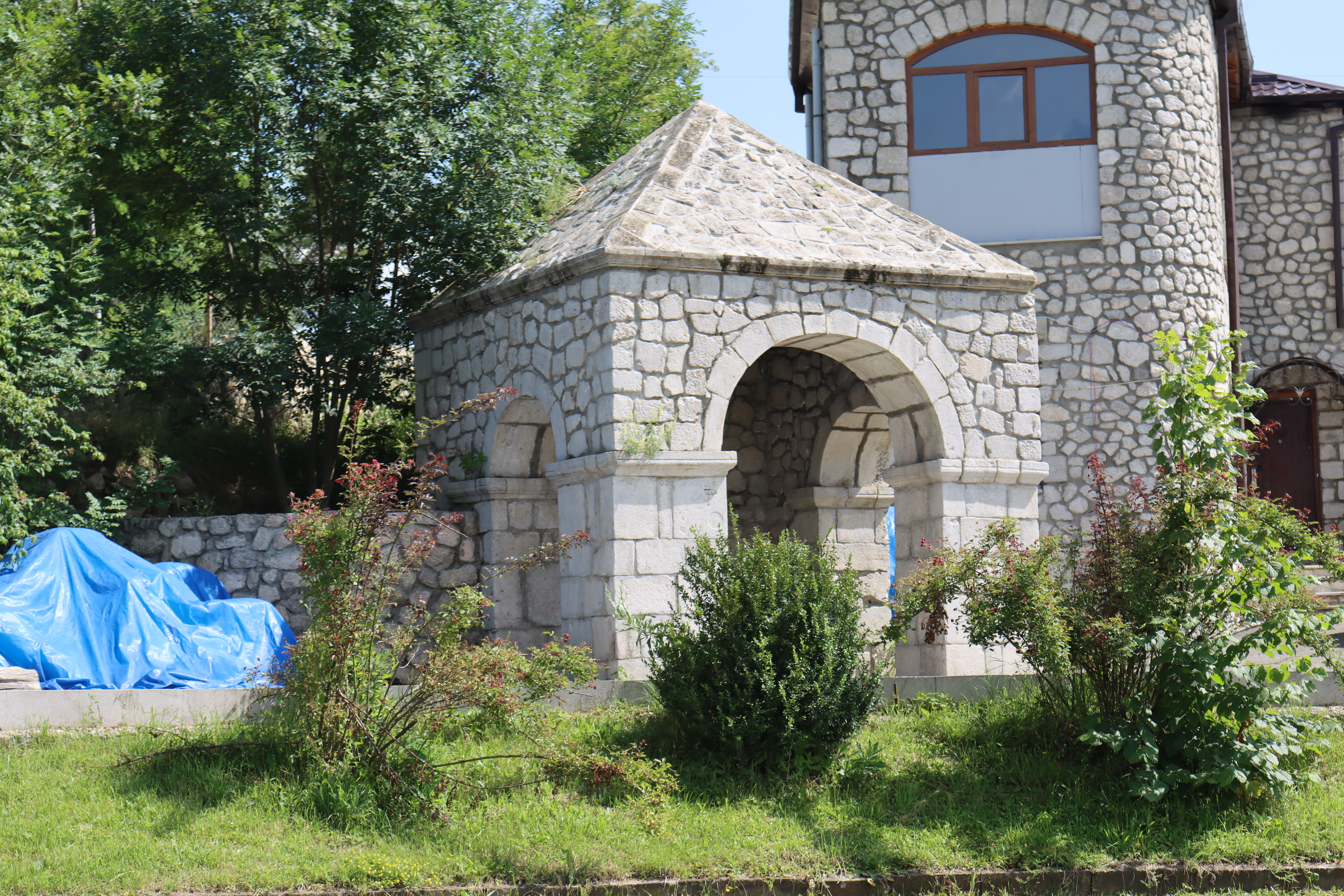
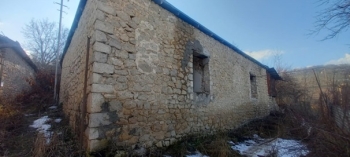
XIX century architectural monument of local importance. Inventory number: 5064
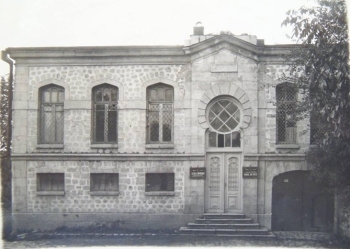
XIX century architectural monument of local importance. Inventory number: 5079
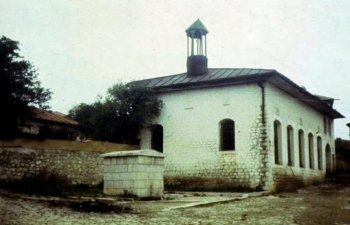
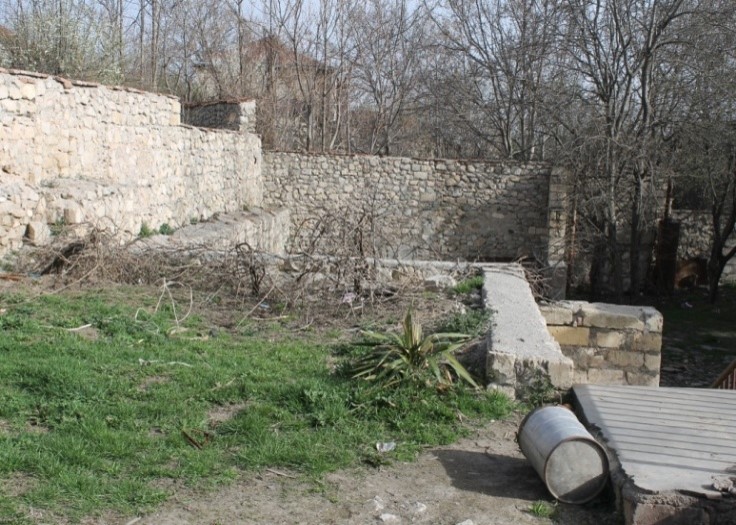
XVIII century architectural monument of local importance. Inventory number: 5089
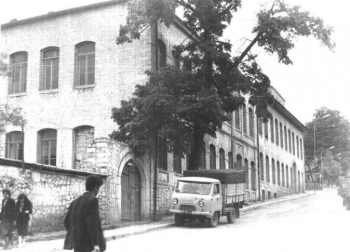
XVIII century architectural monument of local importance. Inventory number: 5098
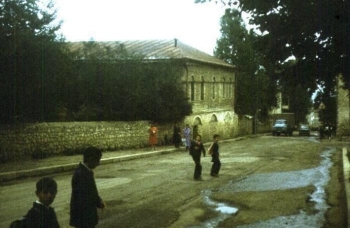
XVIII century architectural monument of local importance. Inventory number: 5100
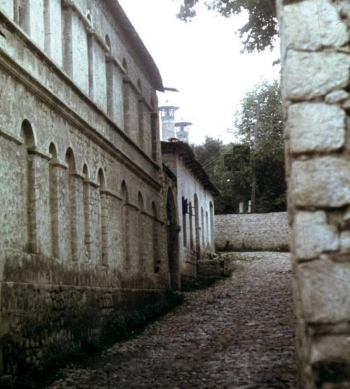
XIX century architectural monument of local importance. Inventory number: 5117
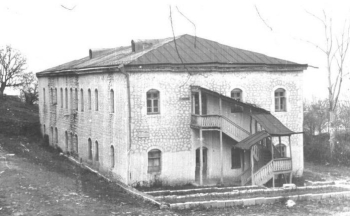
XIX century architectural monument of local importance. Inventory number: 5141