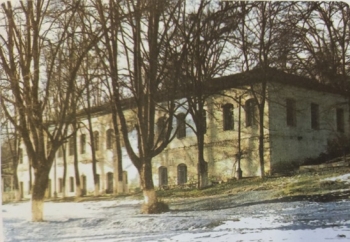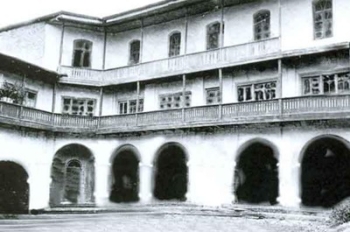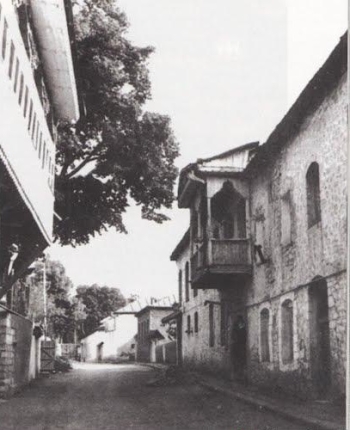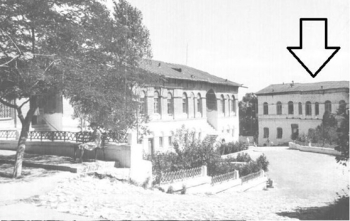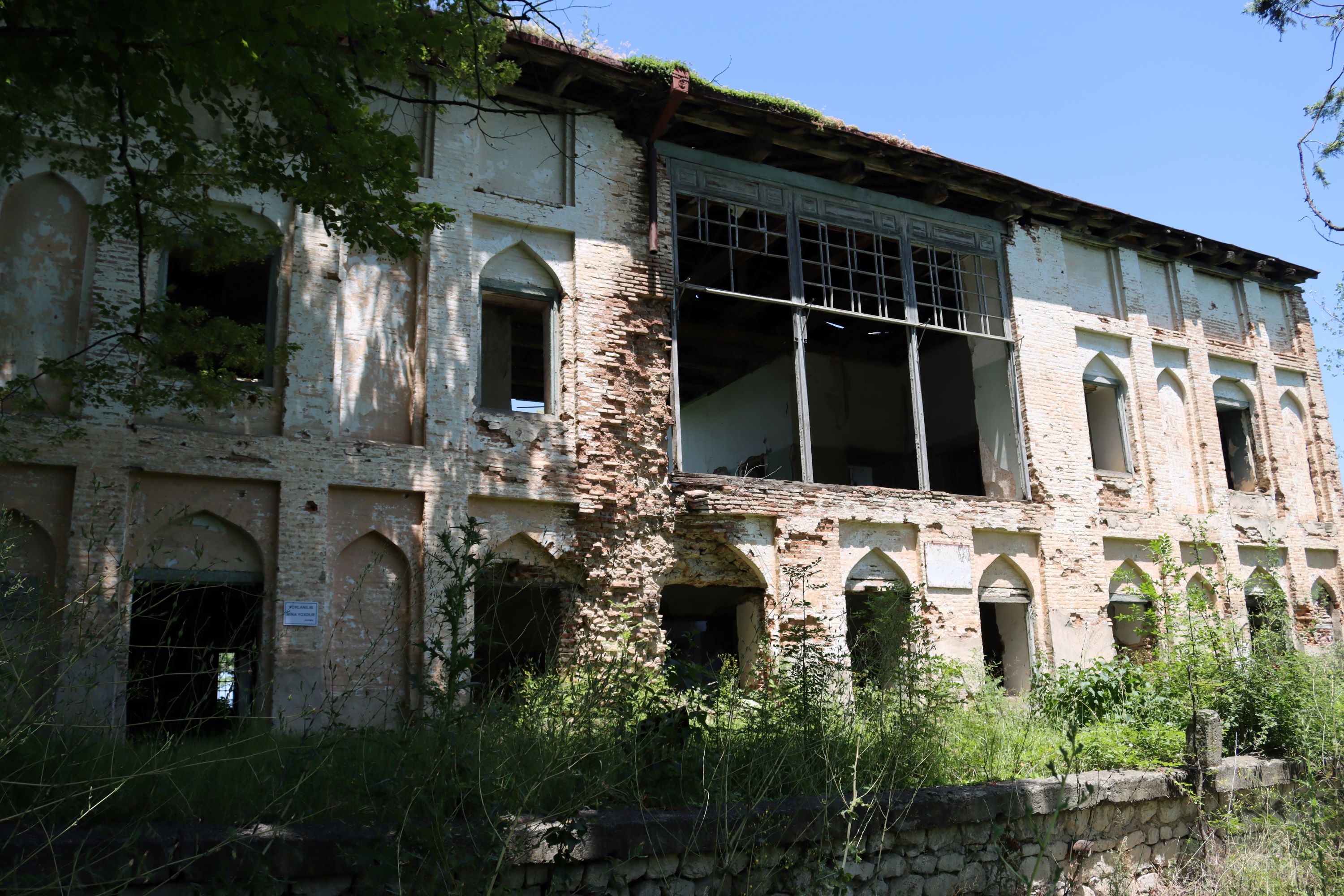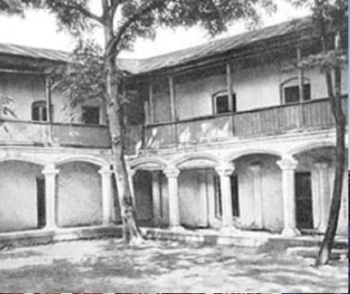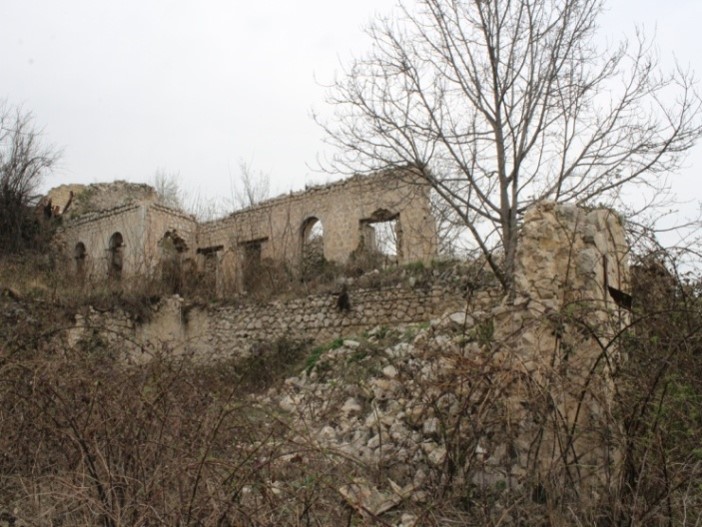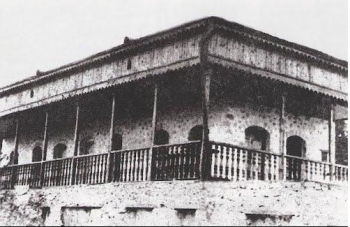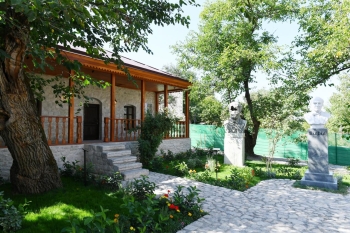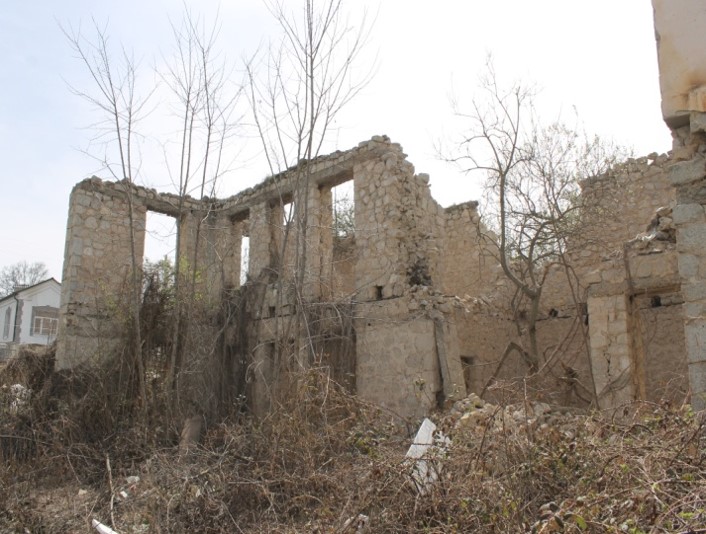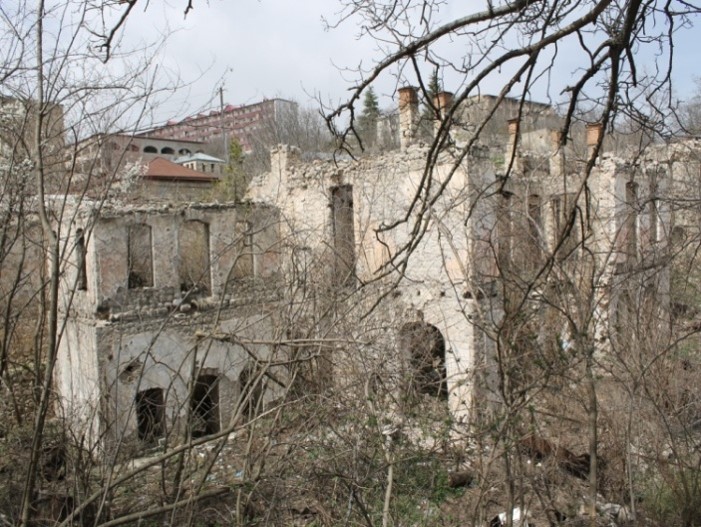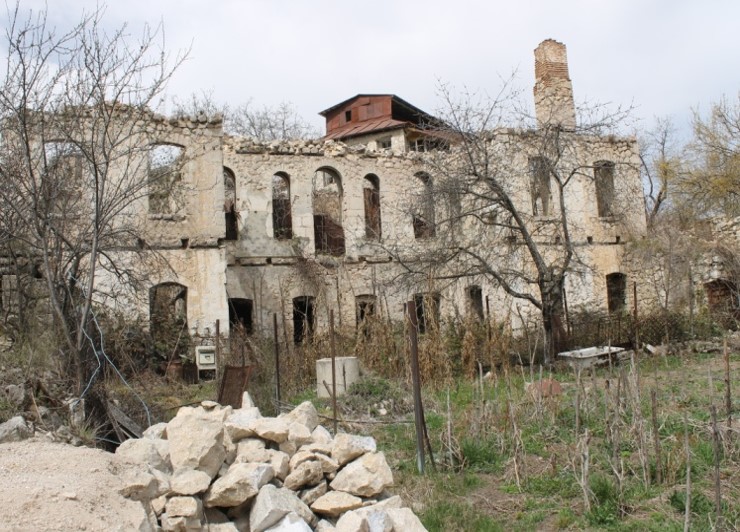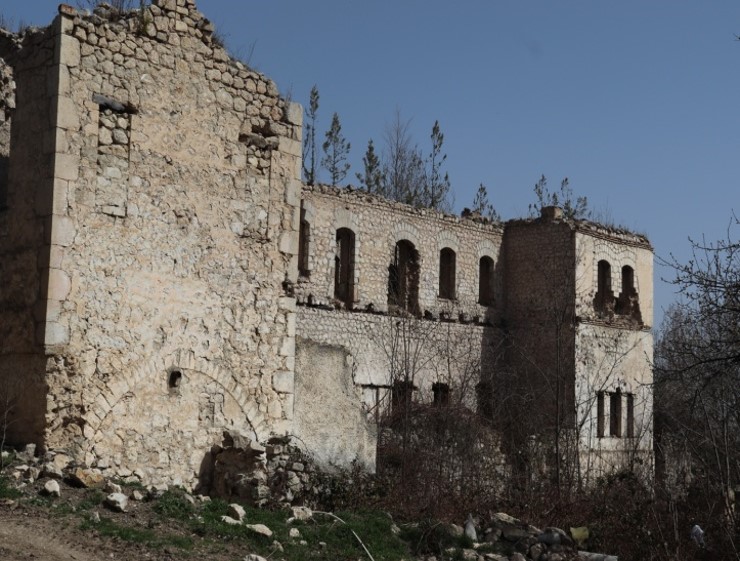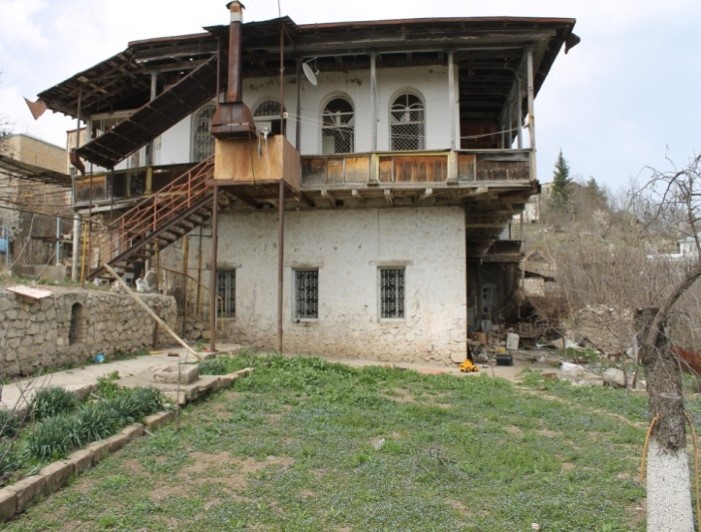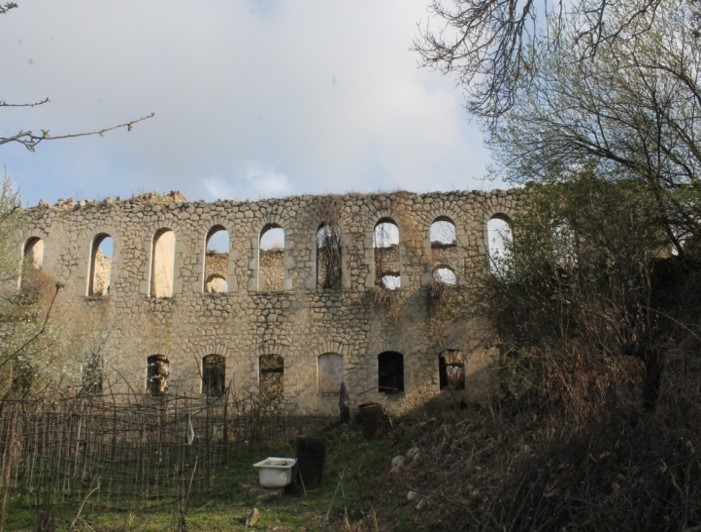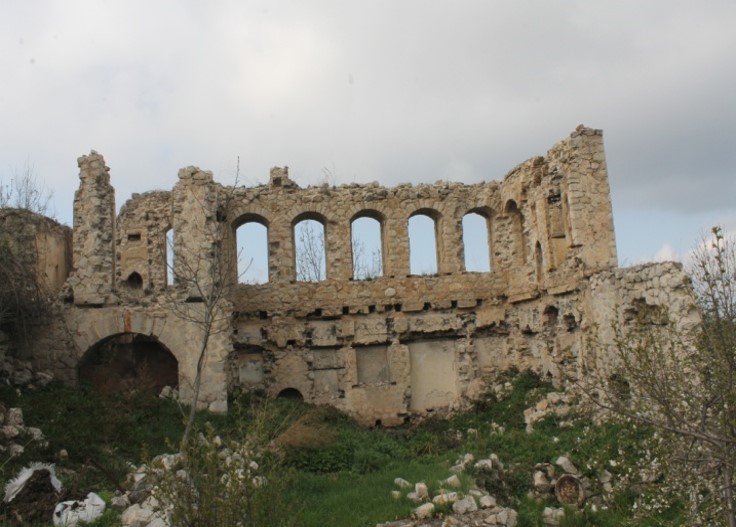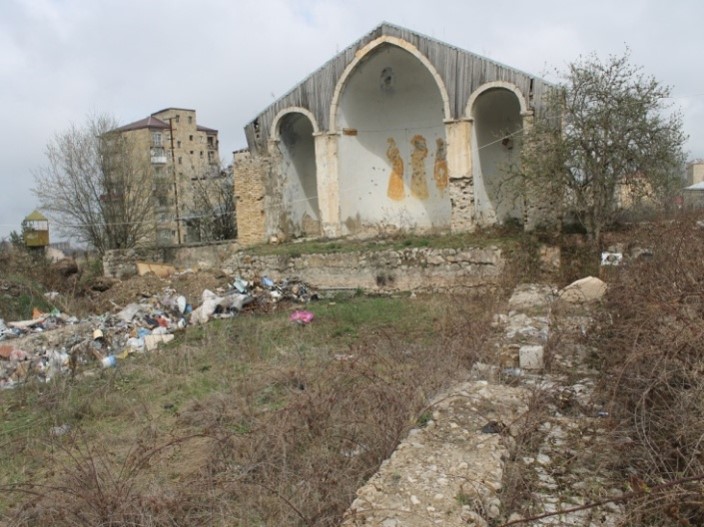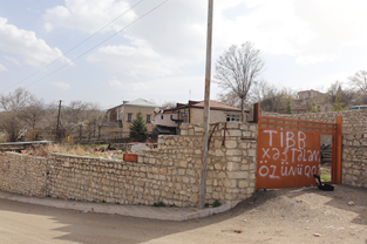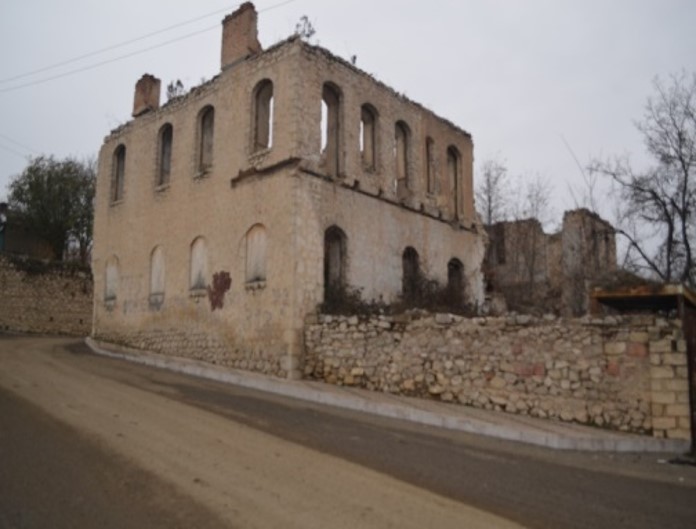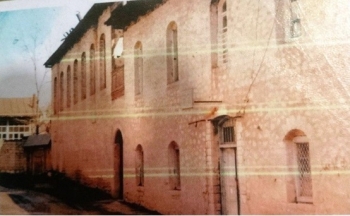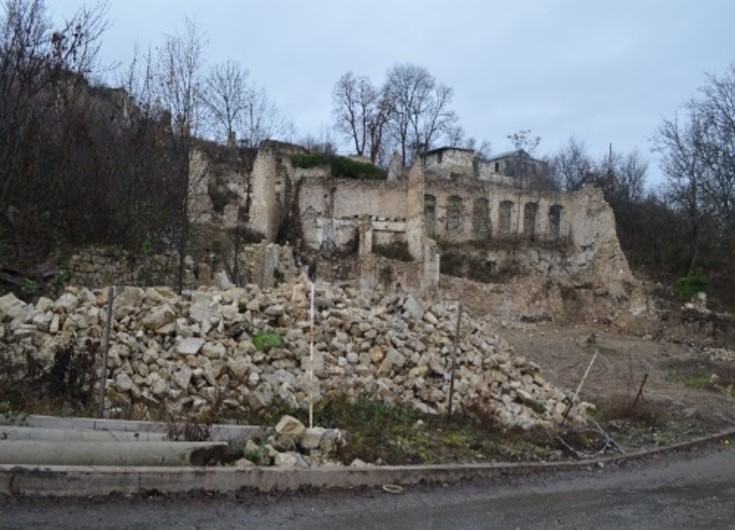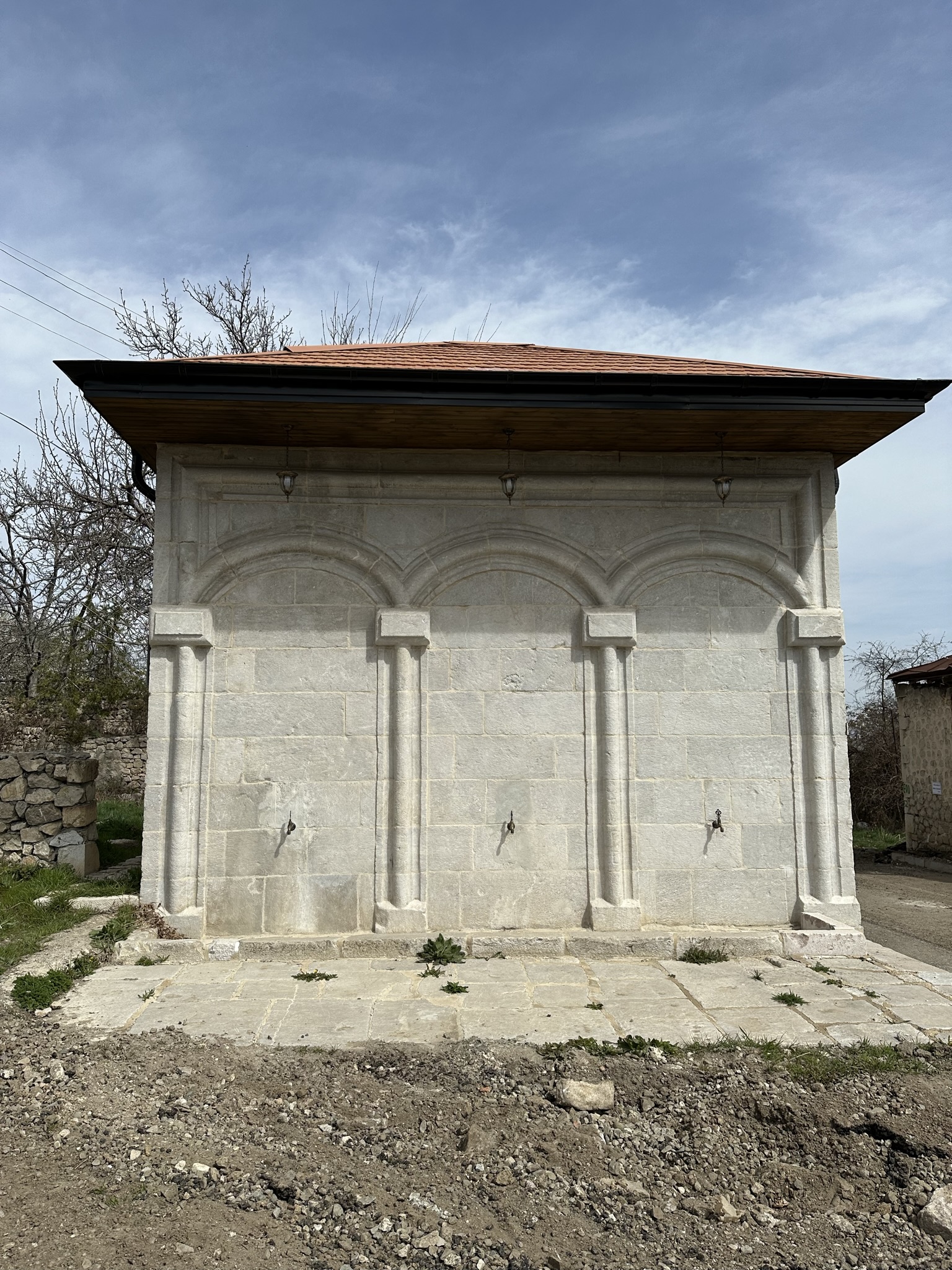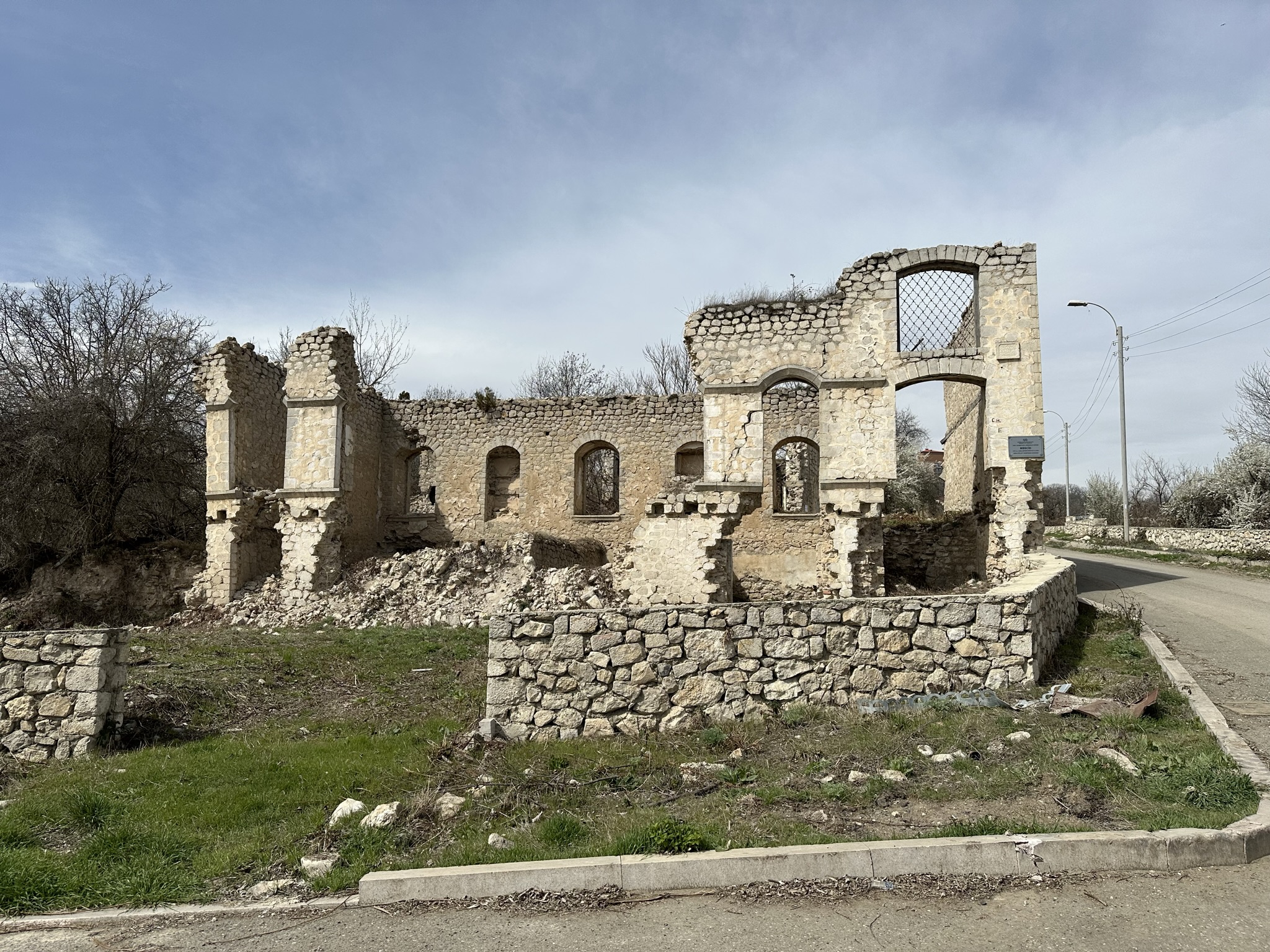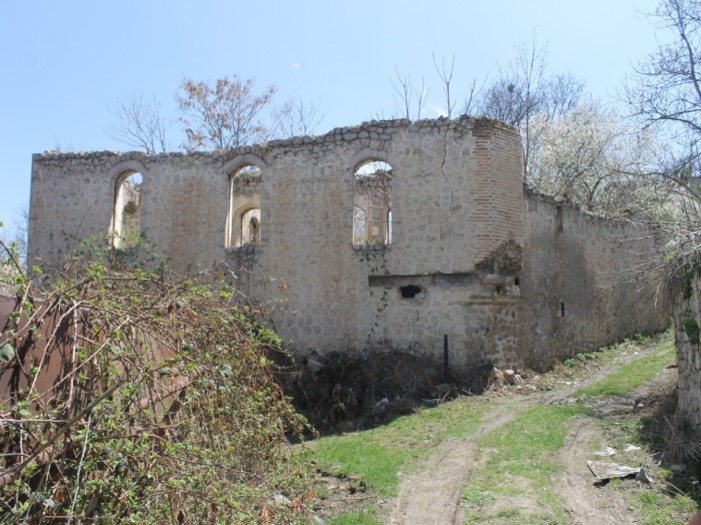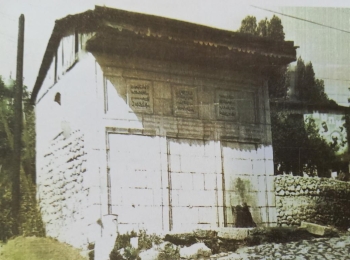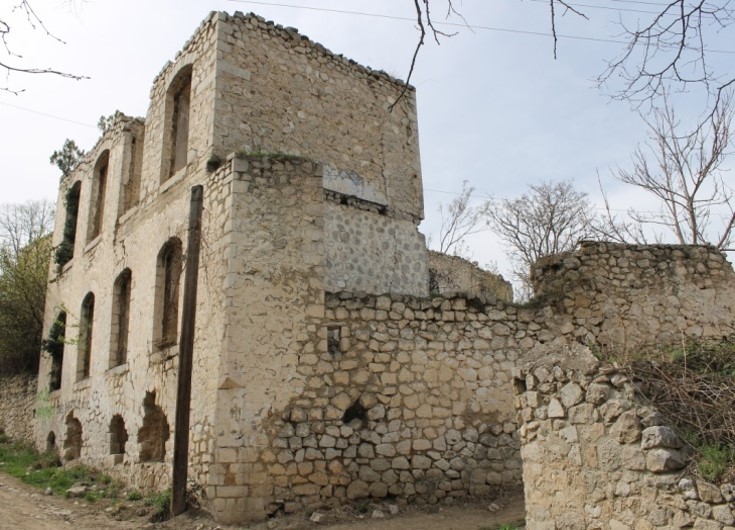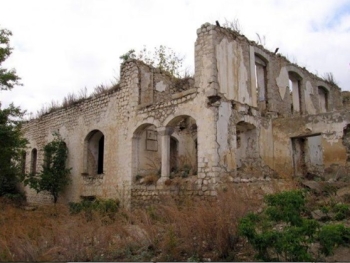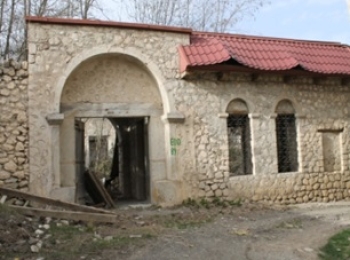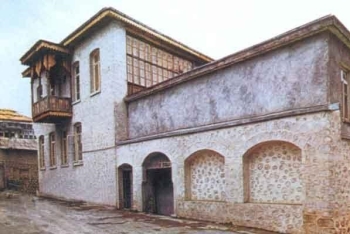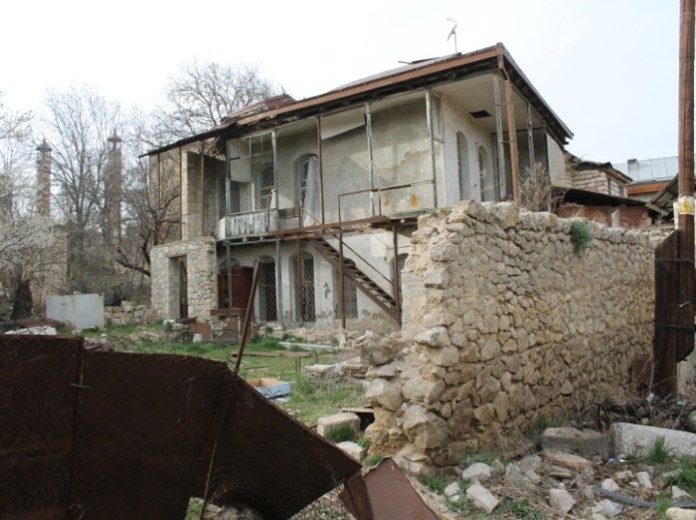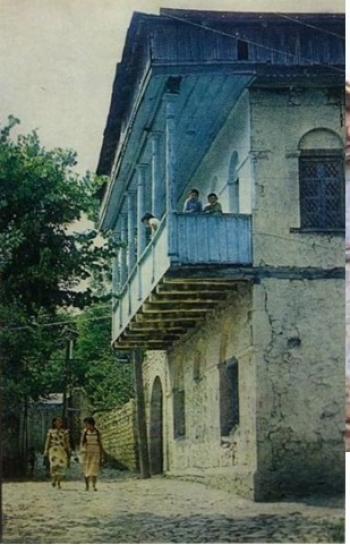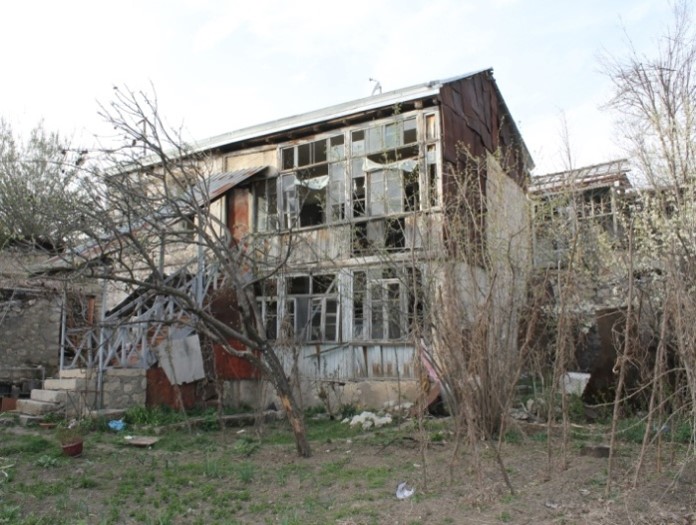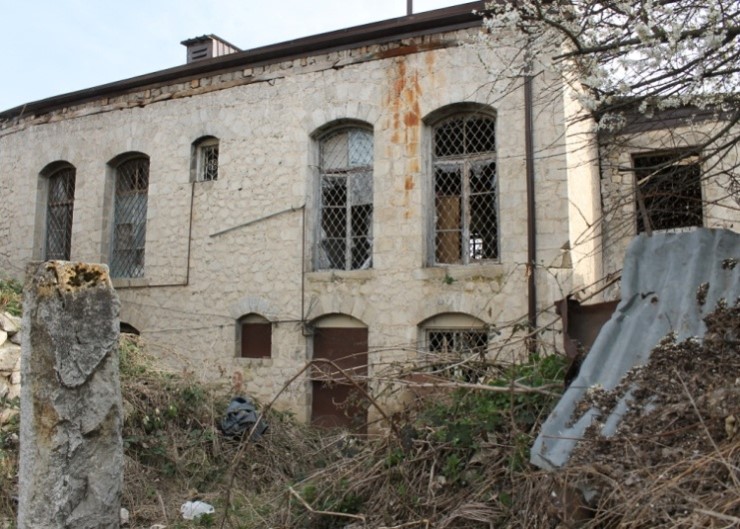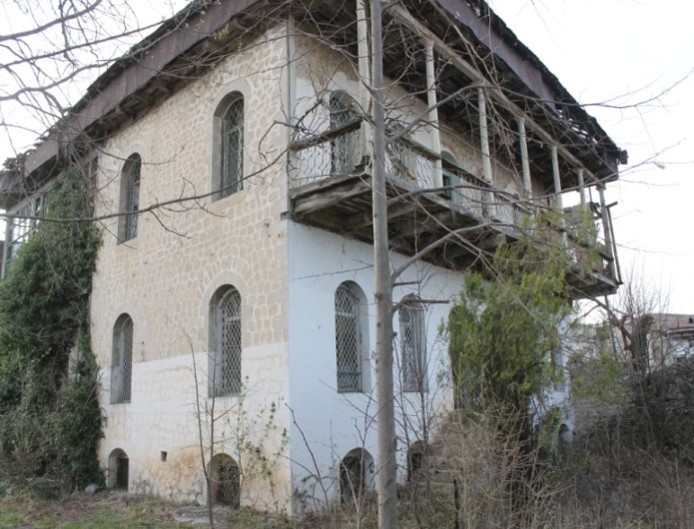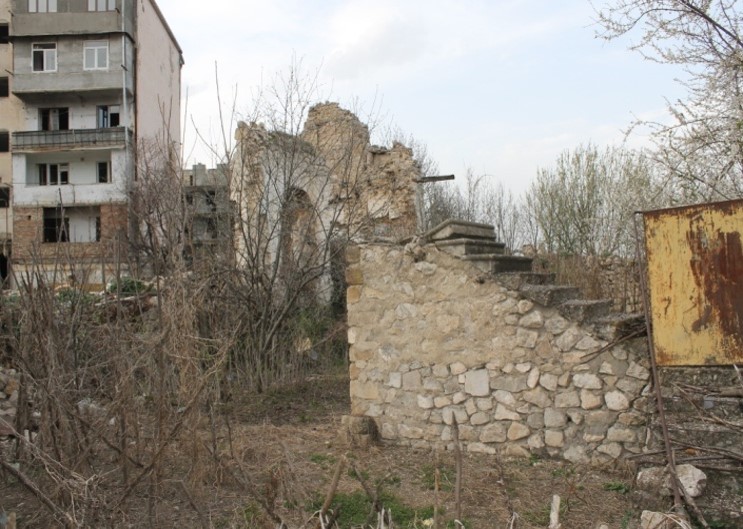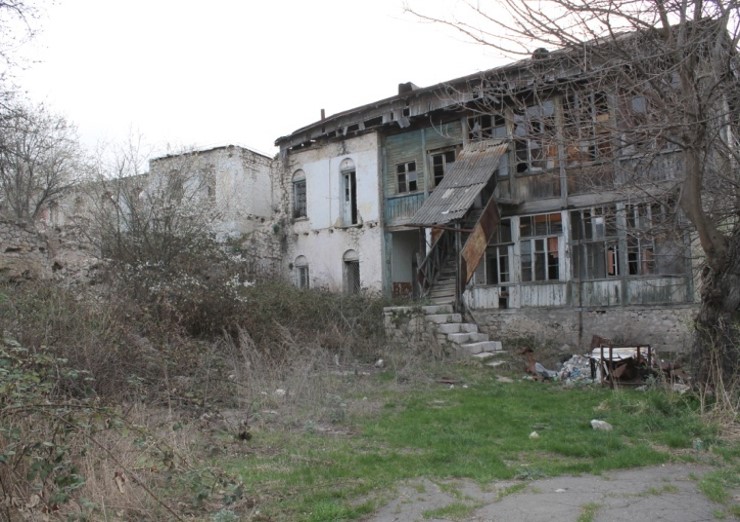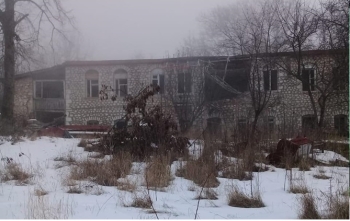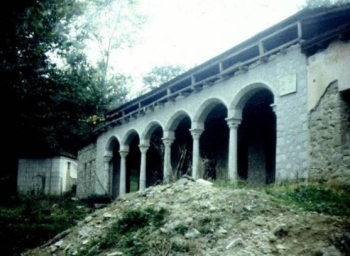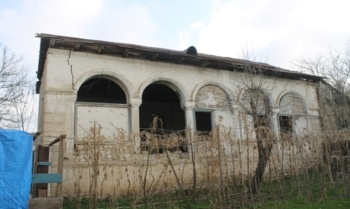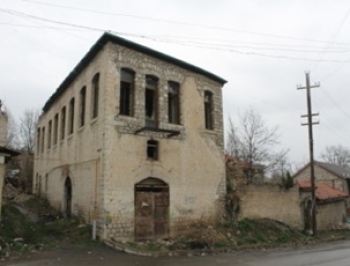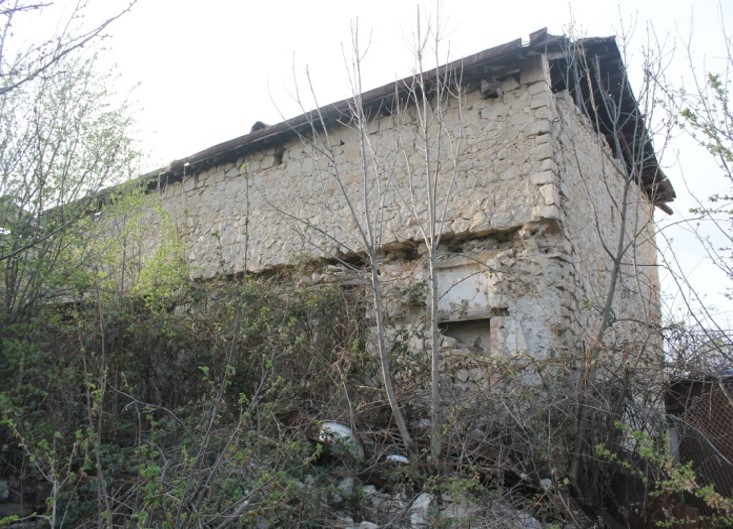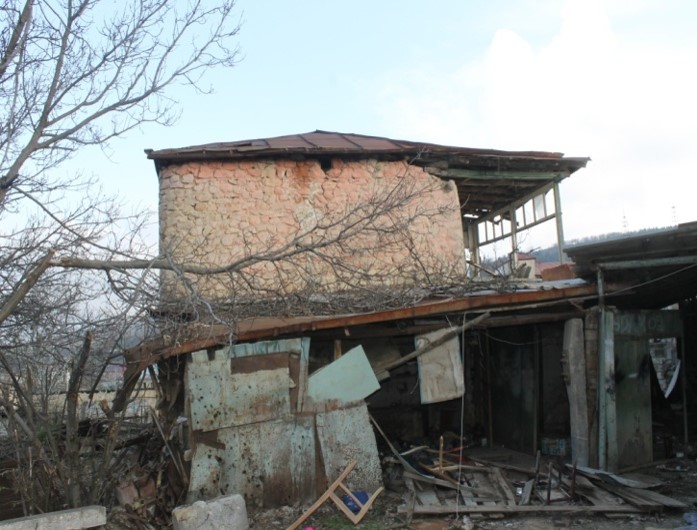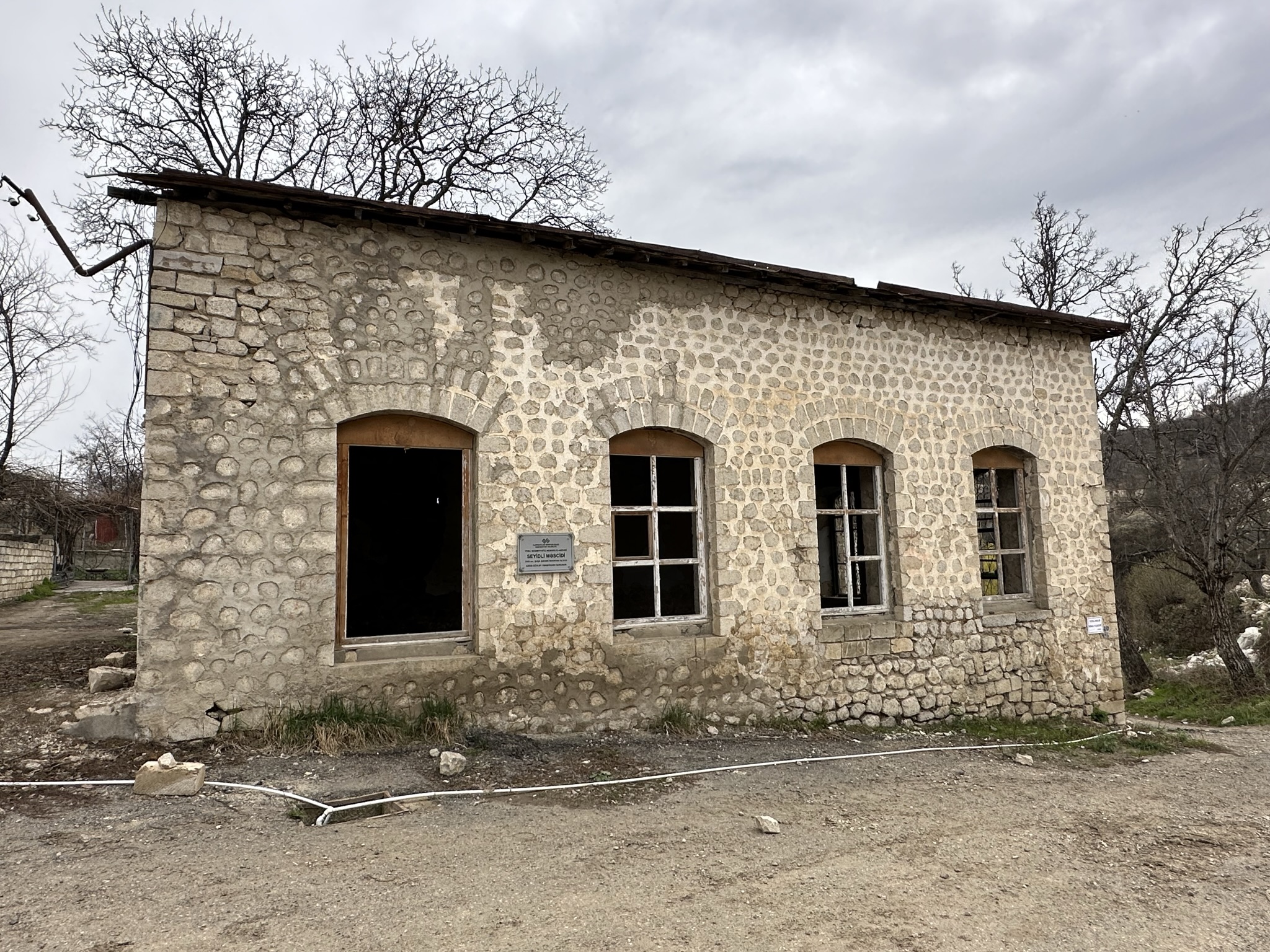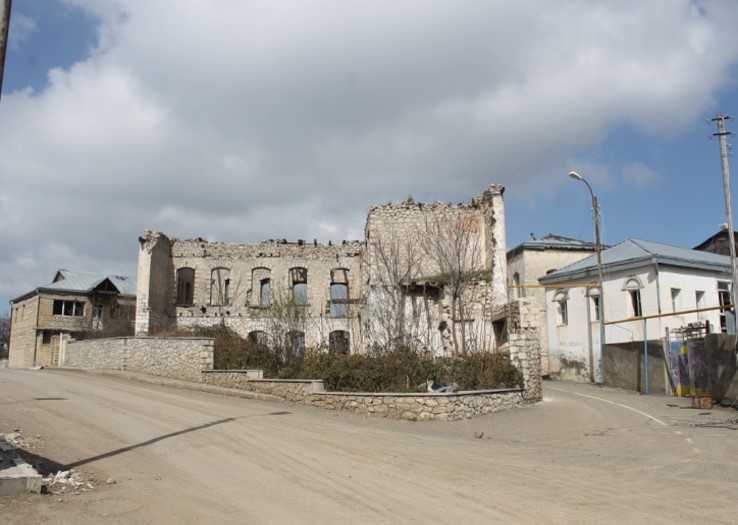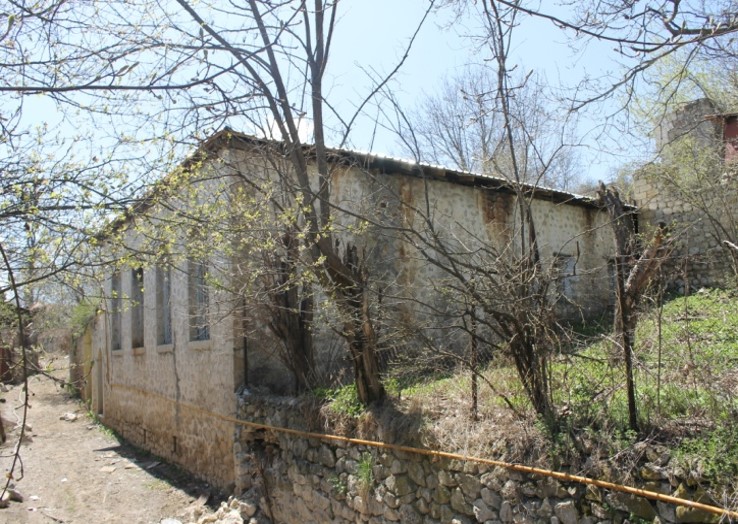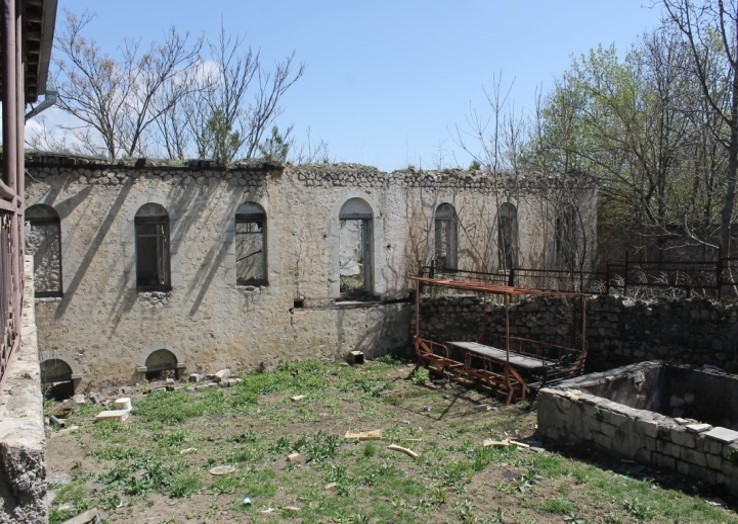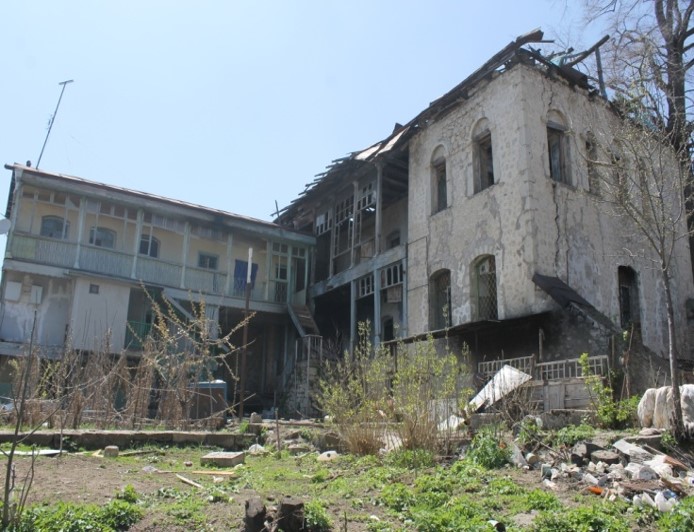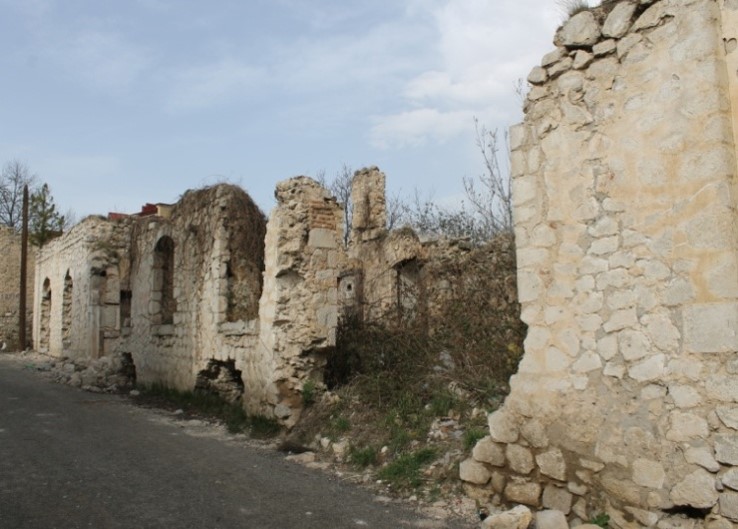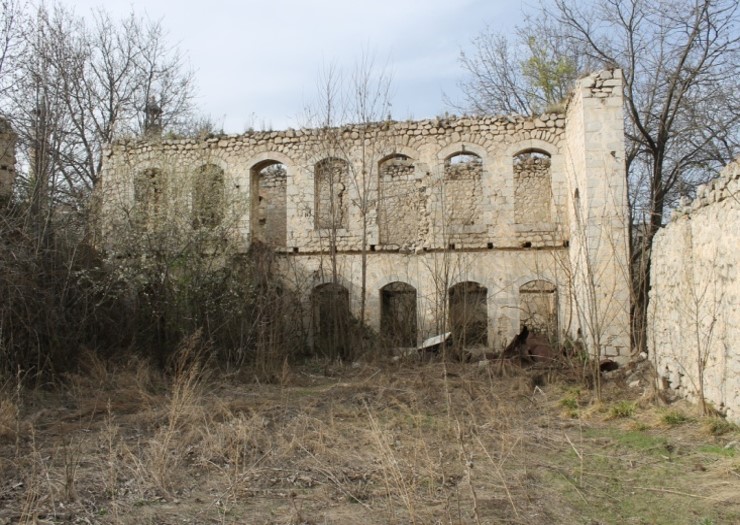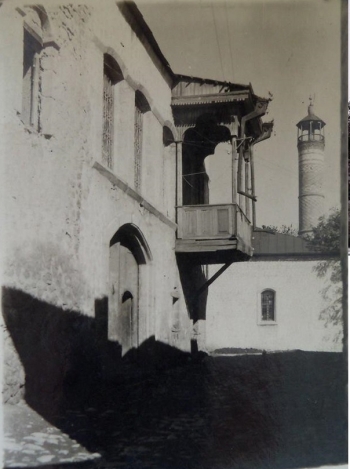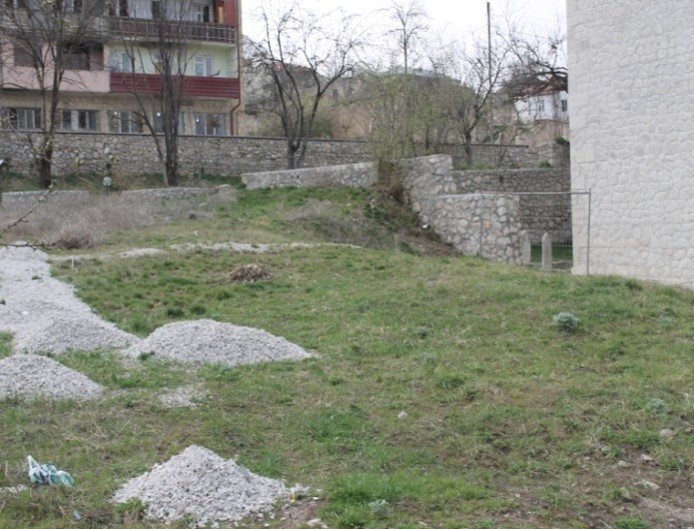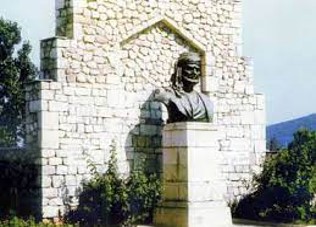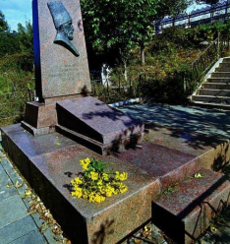
Shusha Prison was built in 1872 during the reign of Tsarist Russia in Azerbaijan

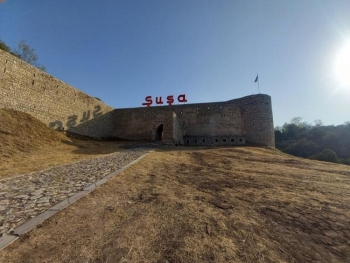
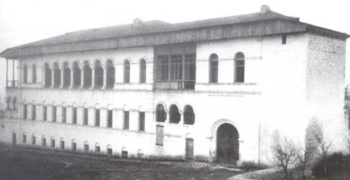
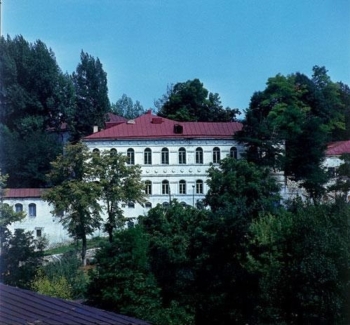
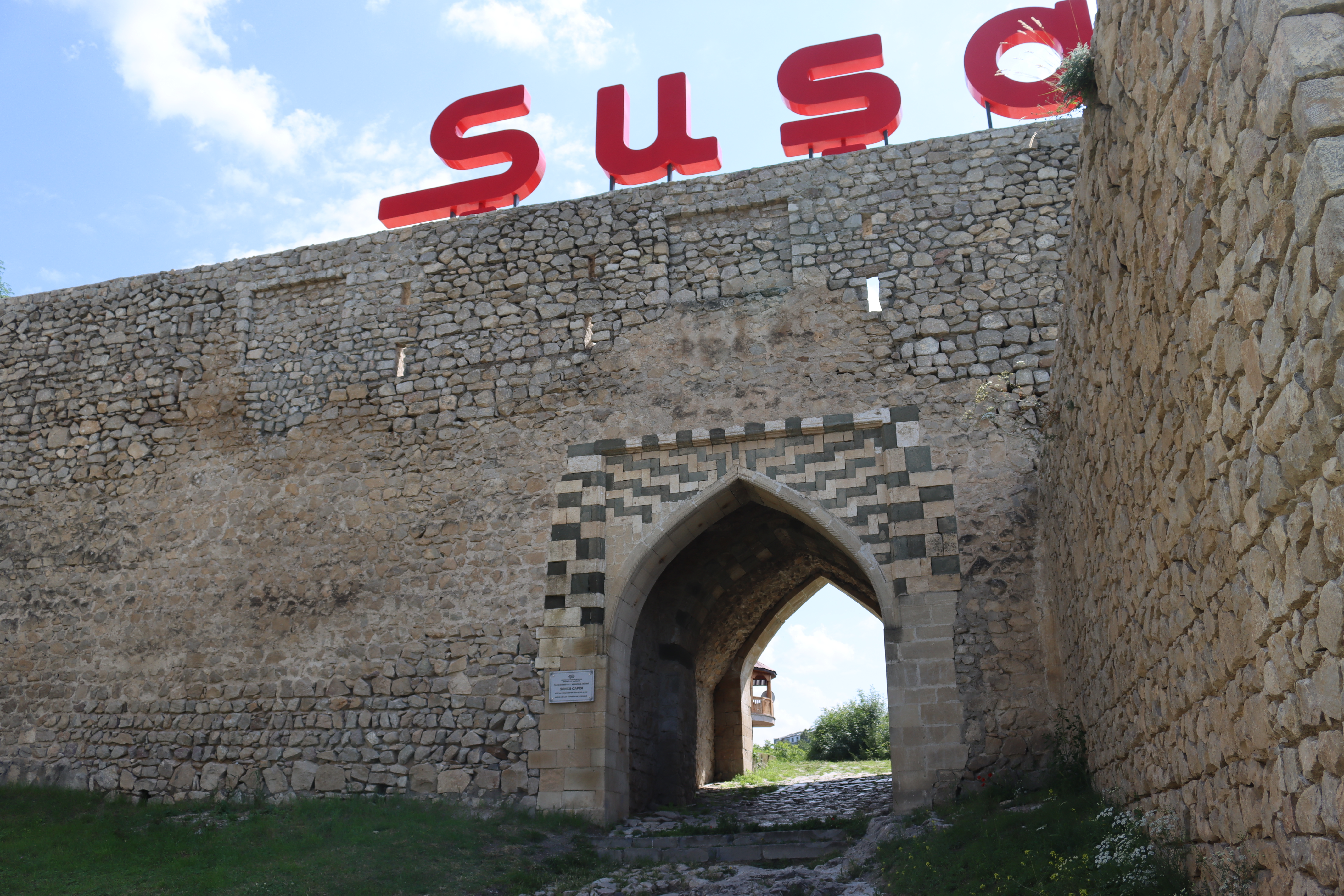
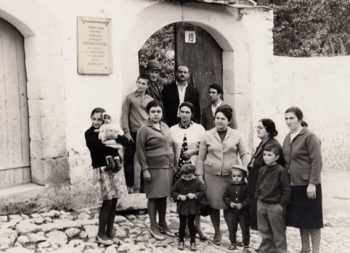
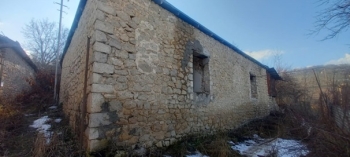
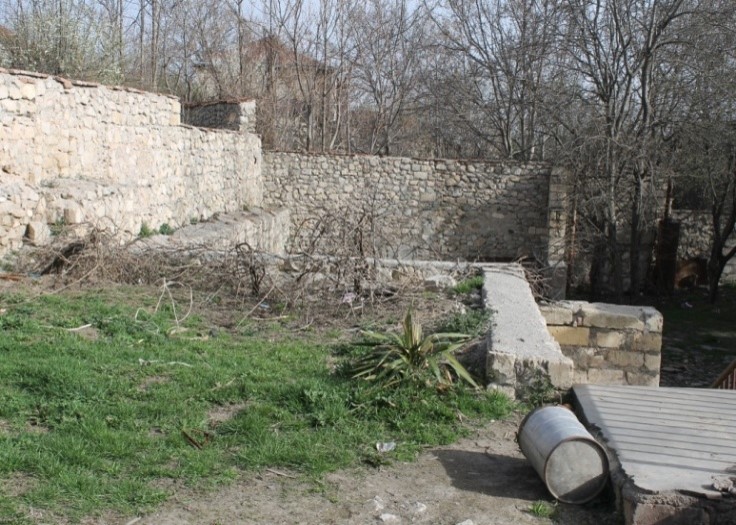
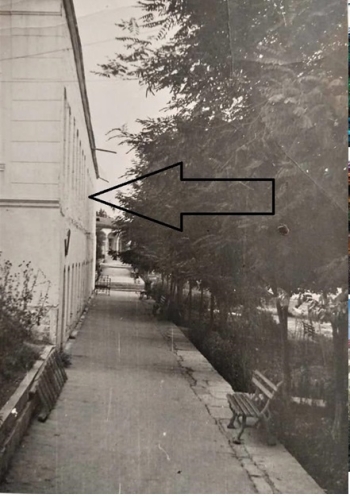
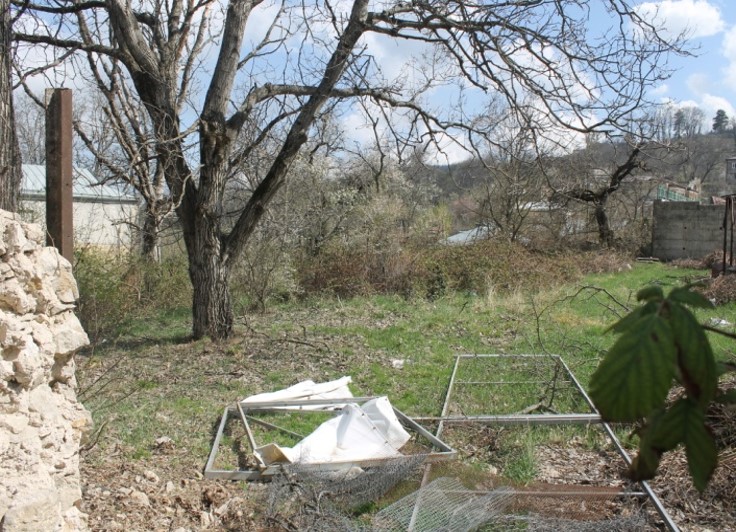
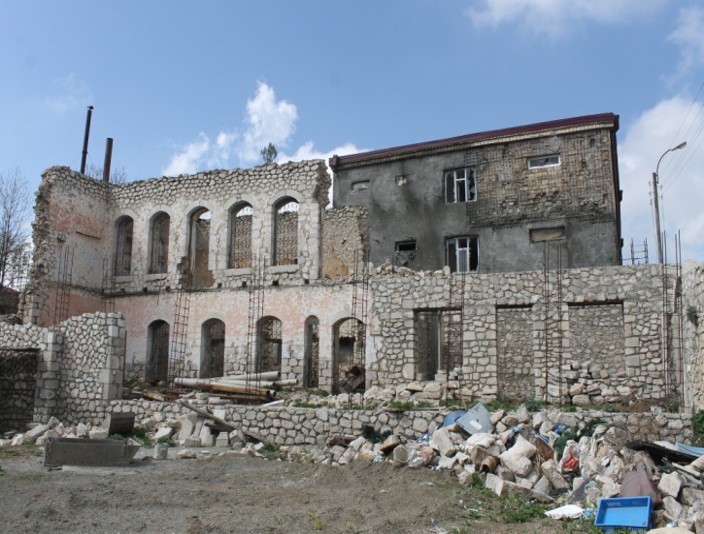
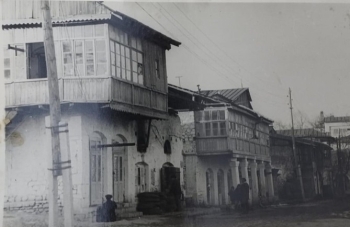
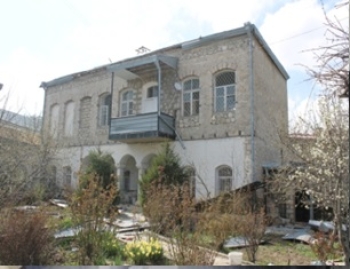
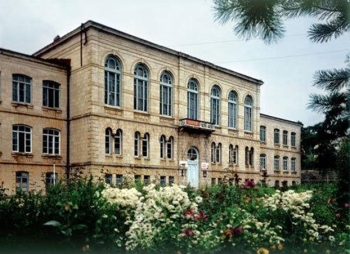
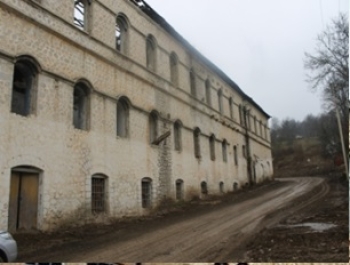
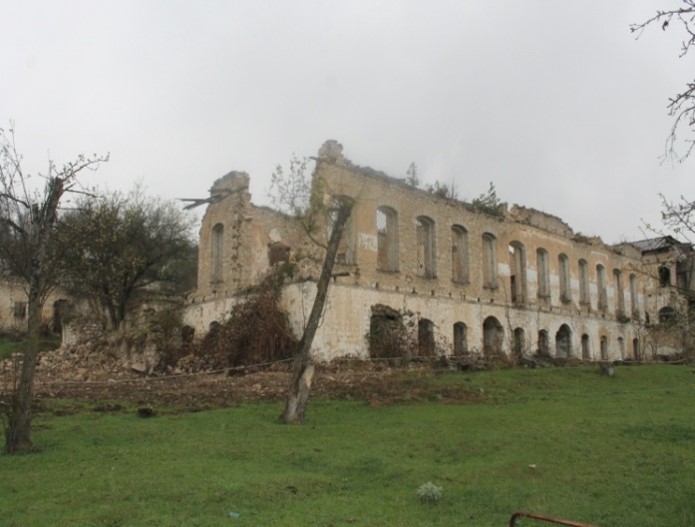
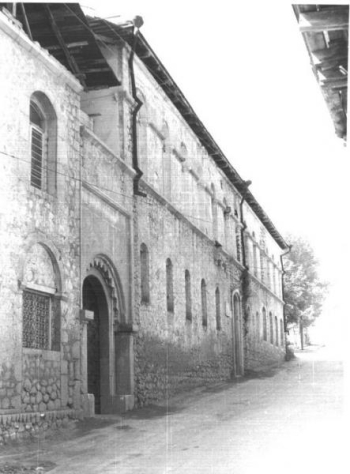
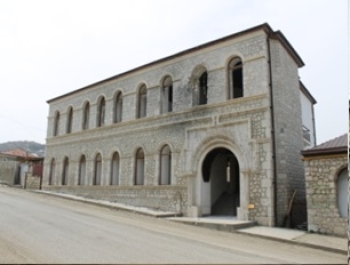
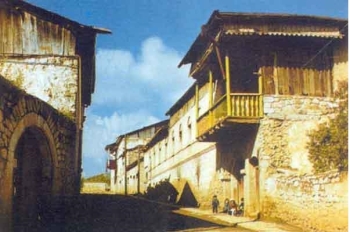
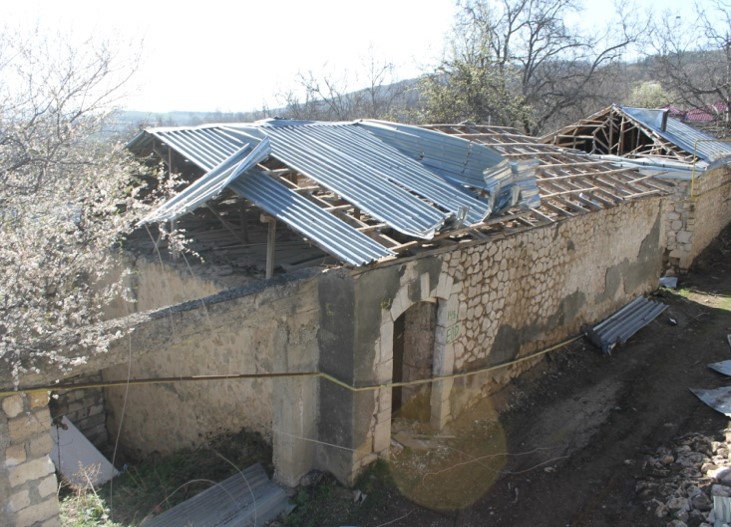
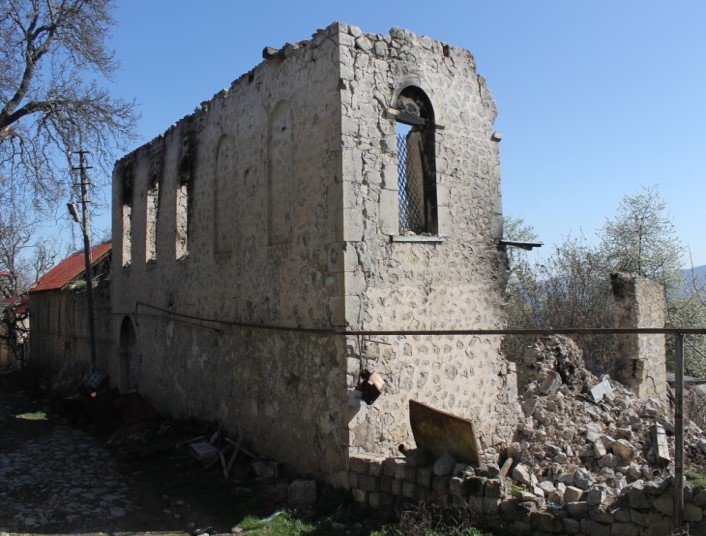
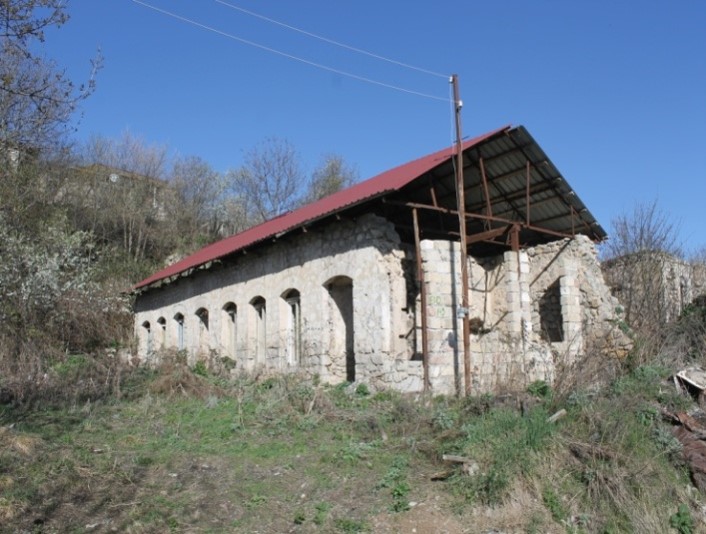
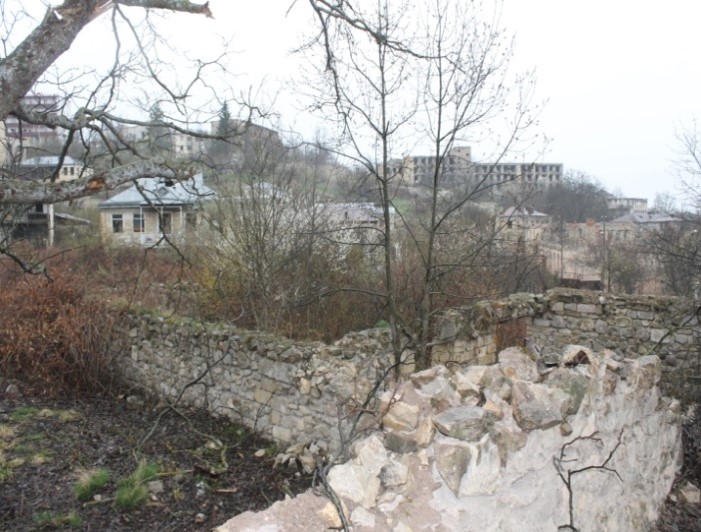
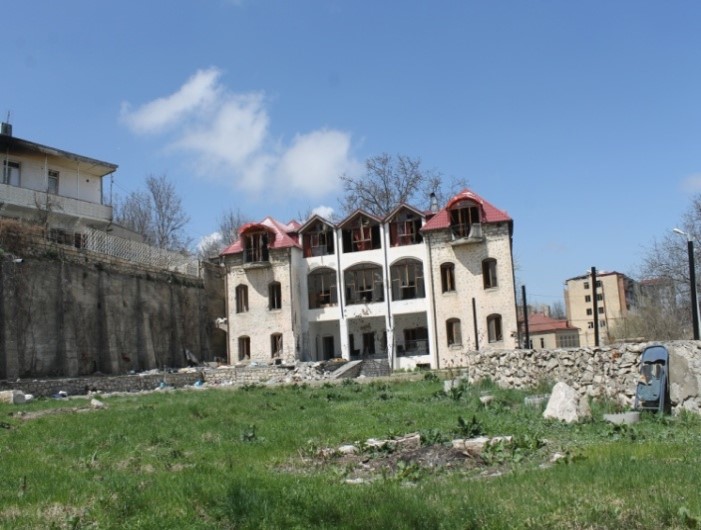
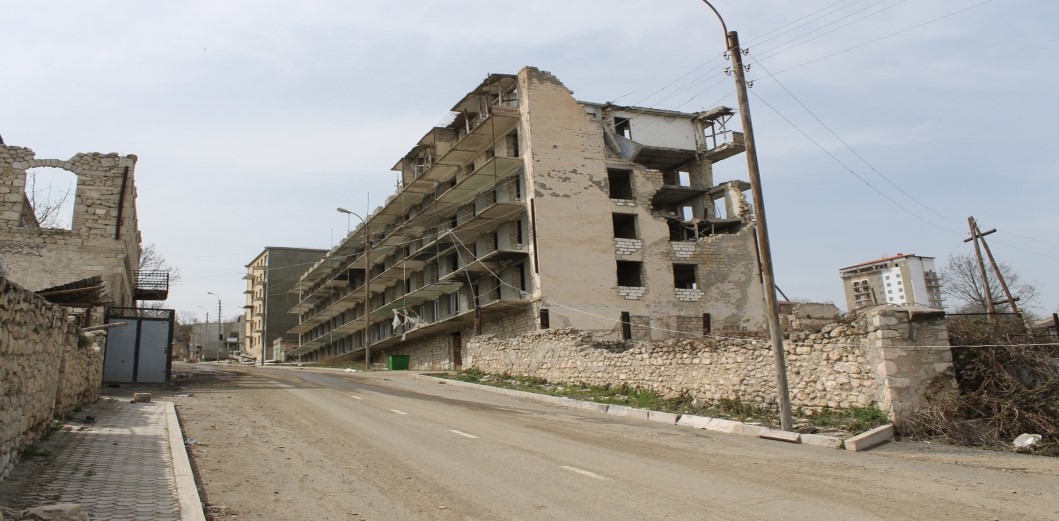
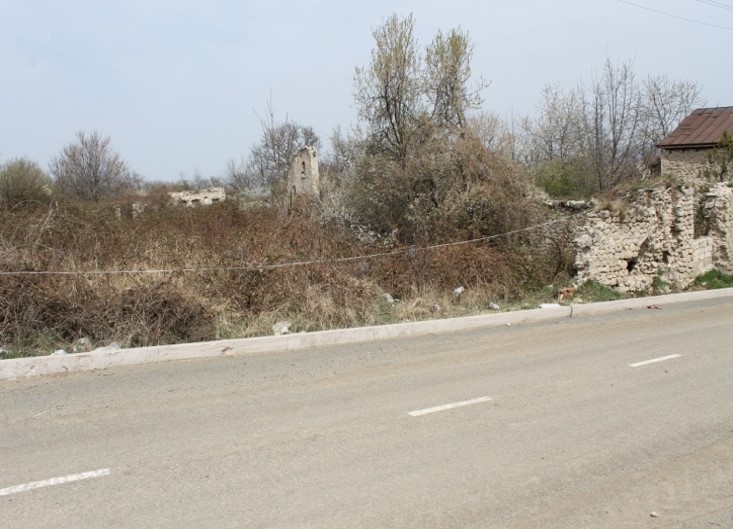
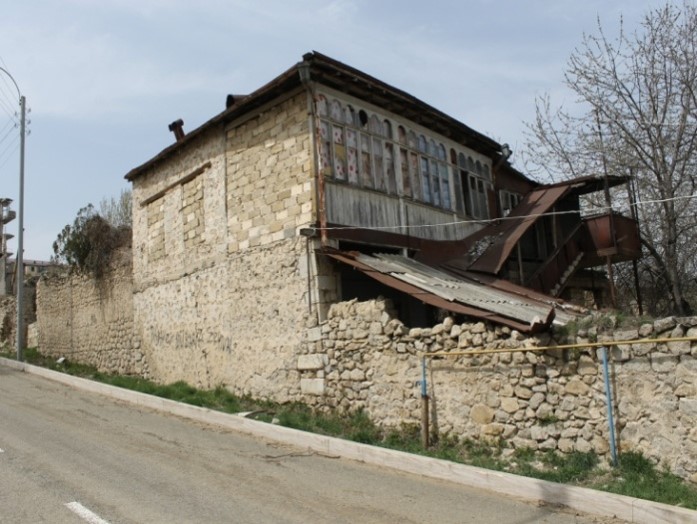
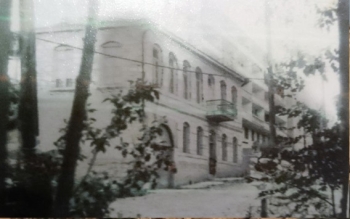
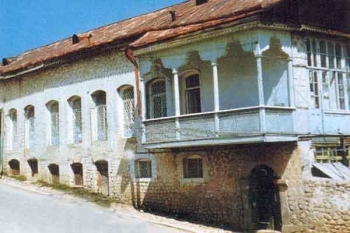
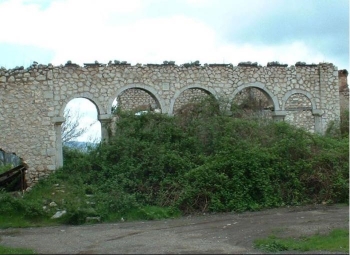
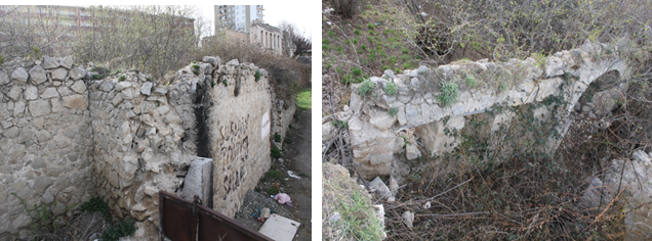
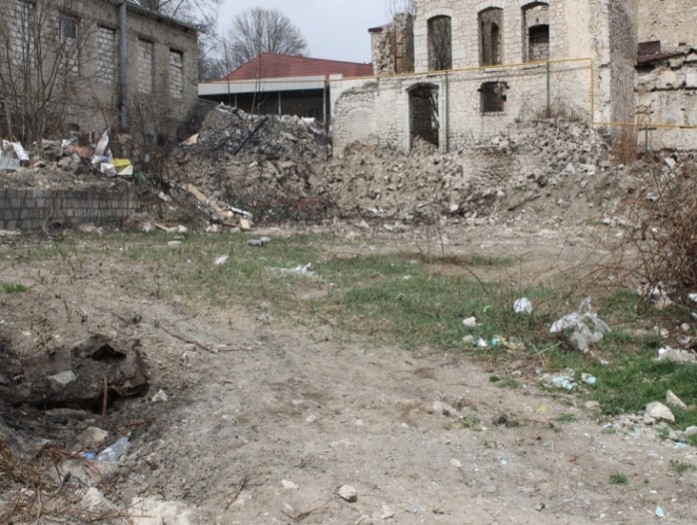
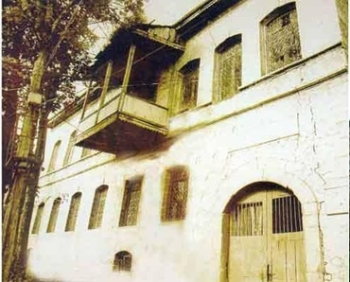
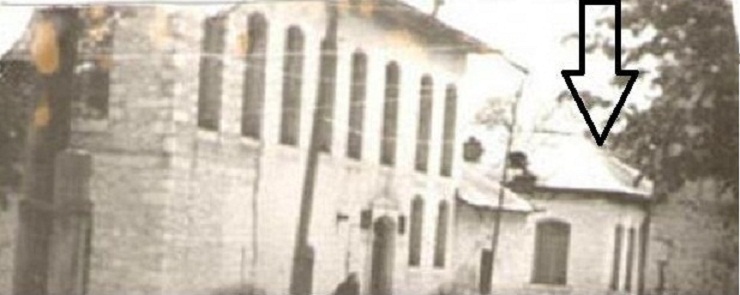
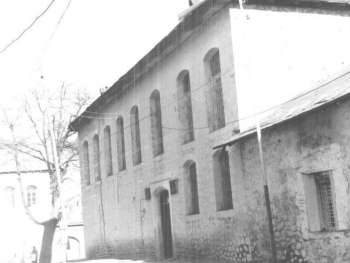
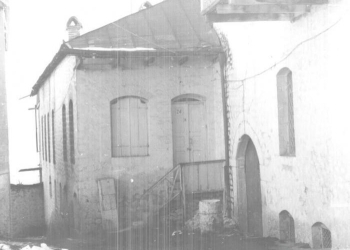
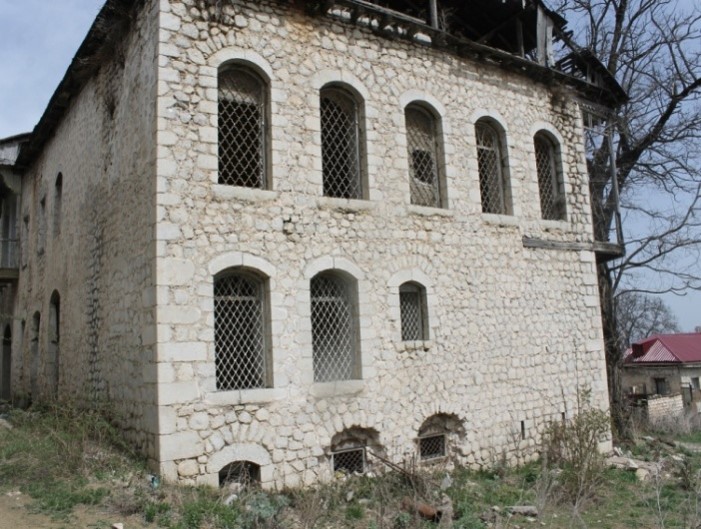
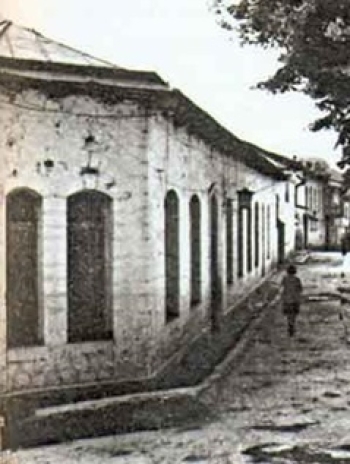
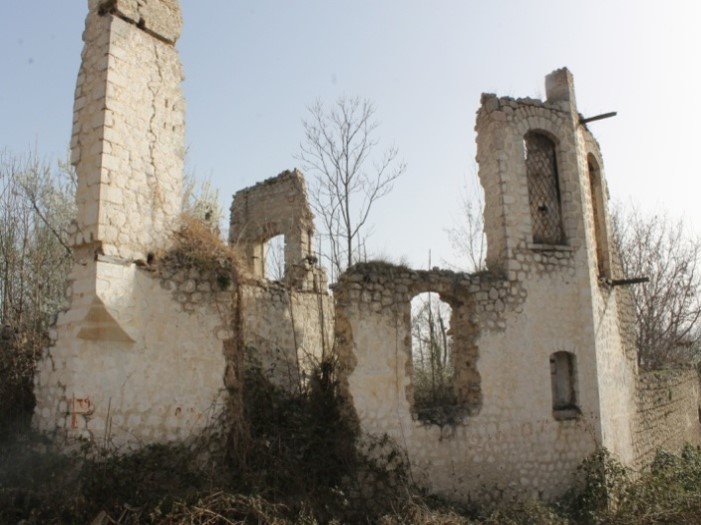
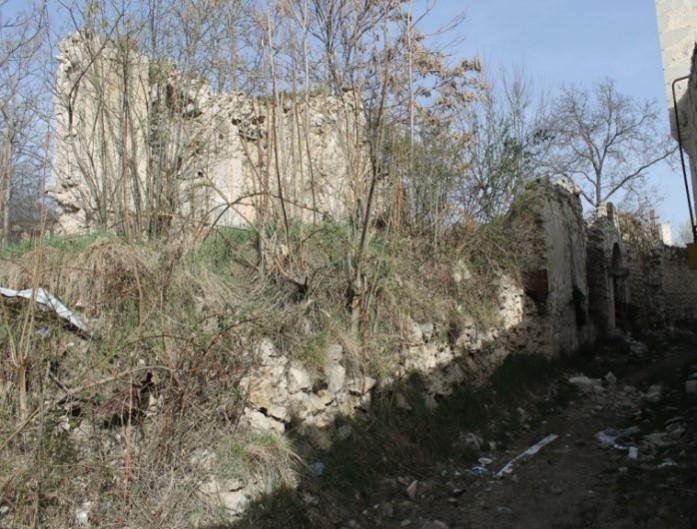
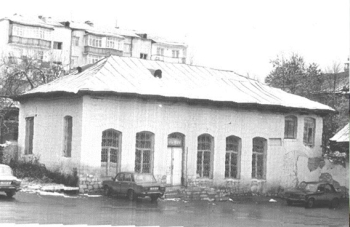
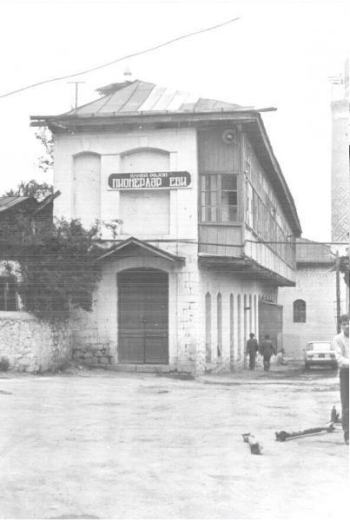
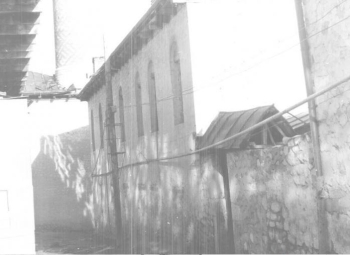
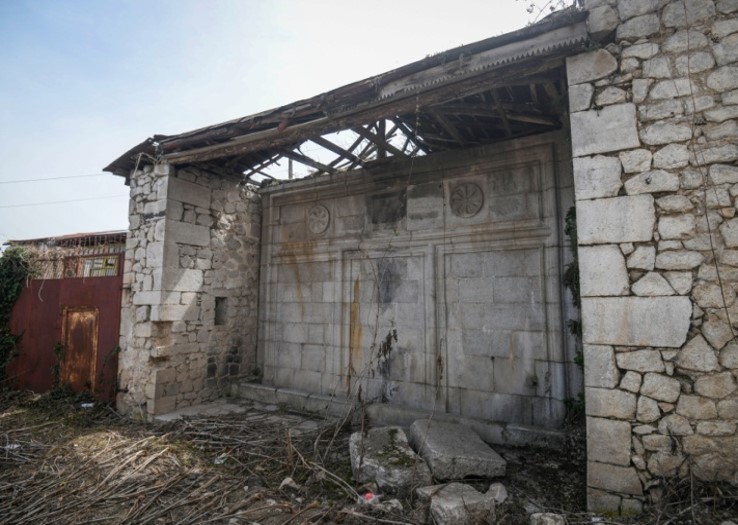
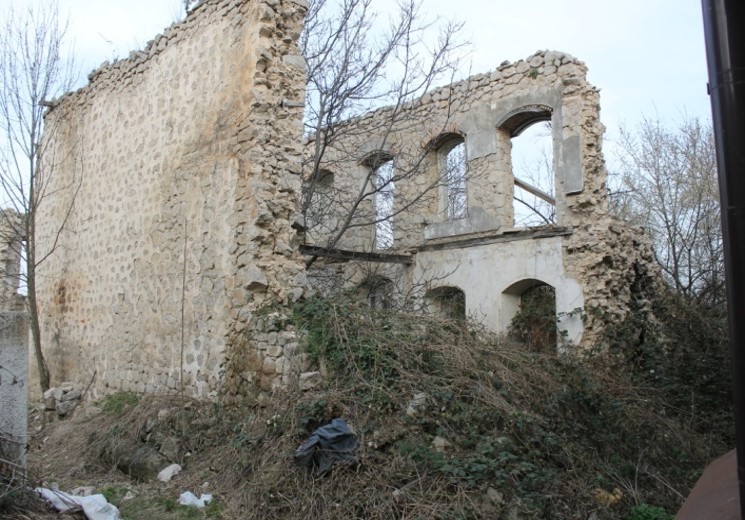
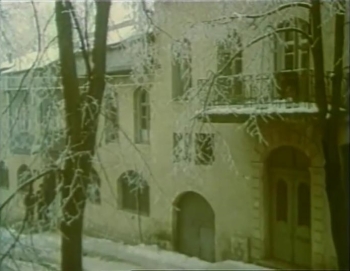
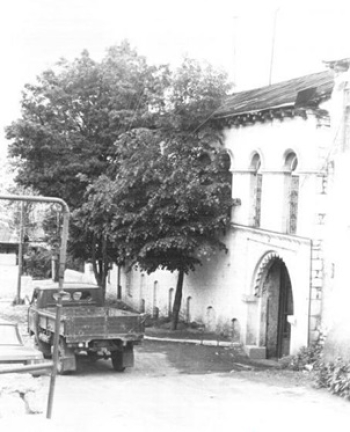
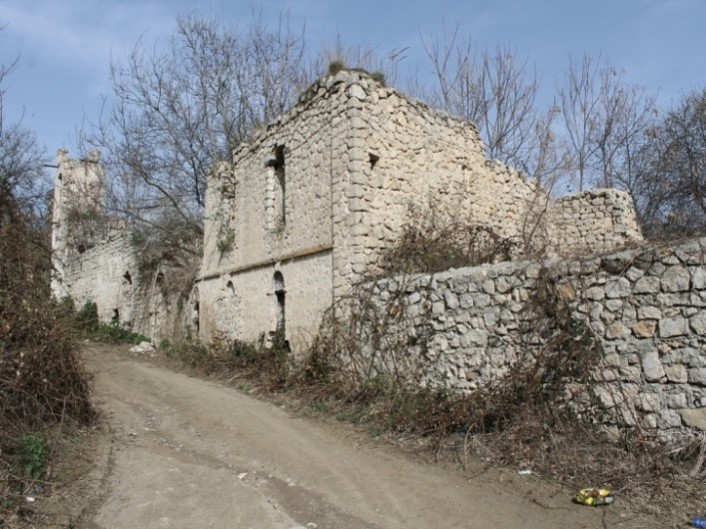
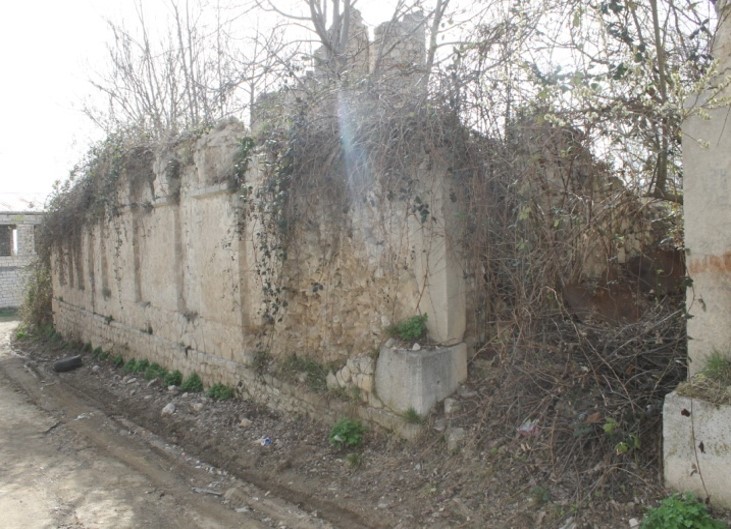
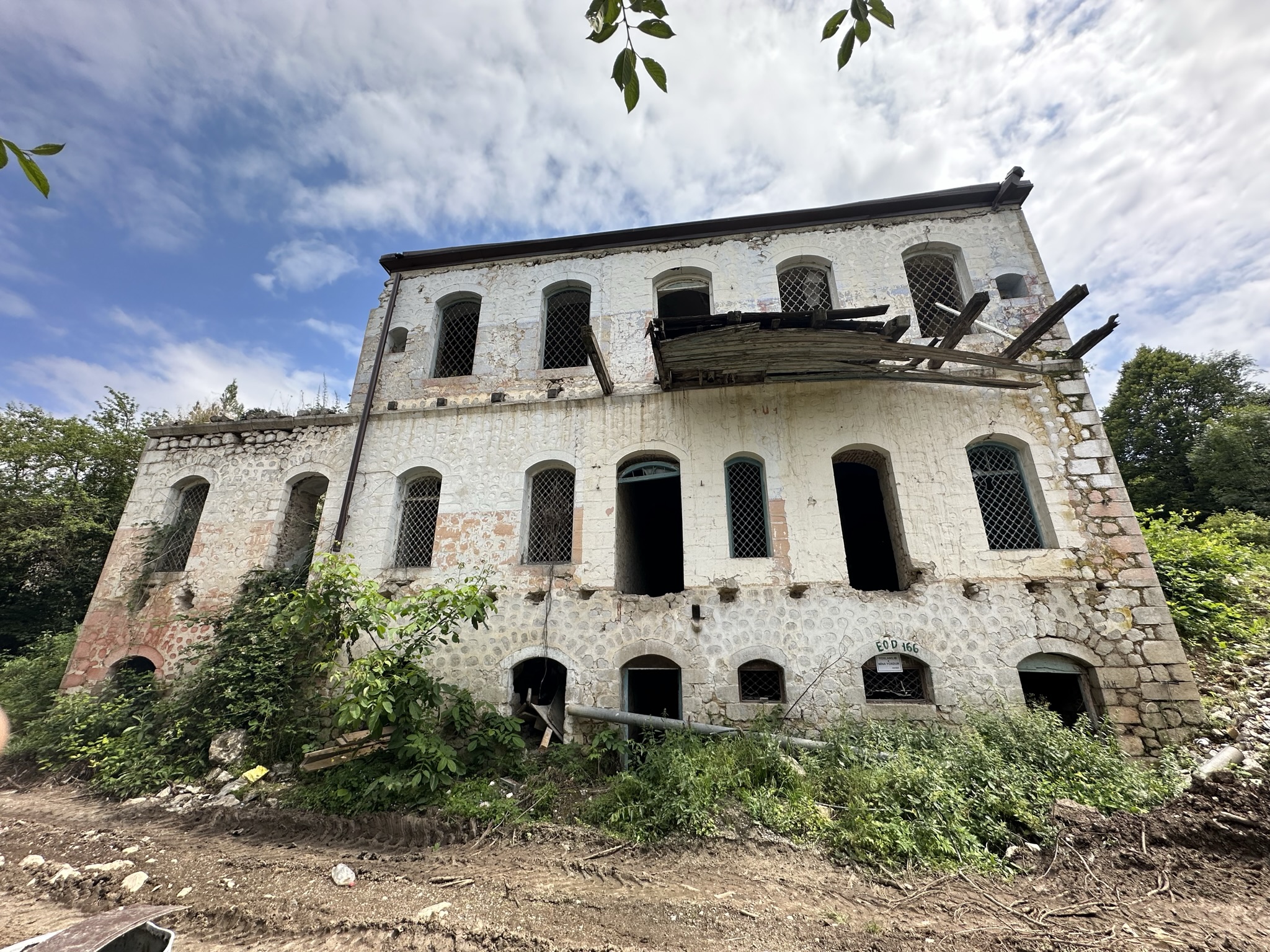
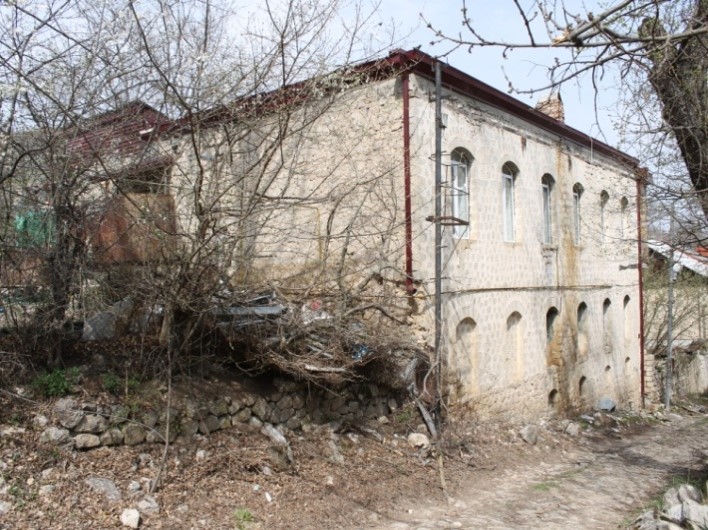
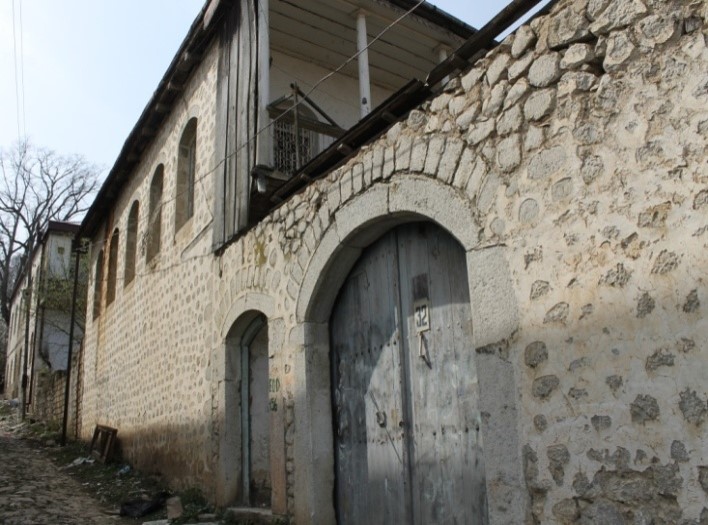
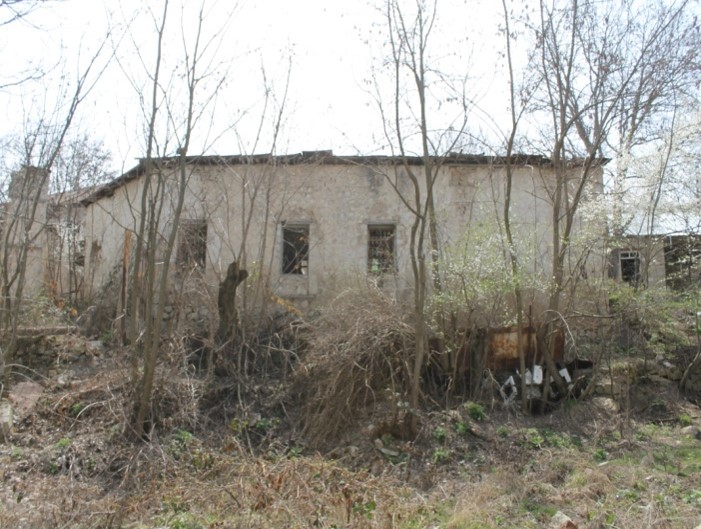
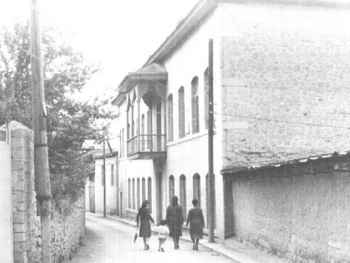
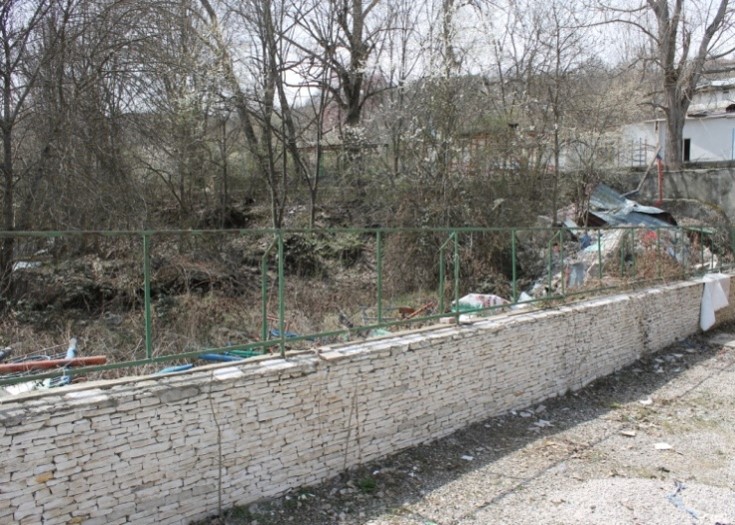
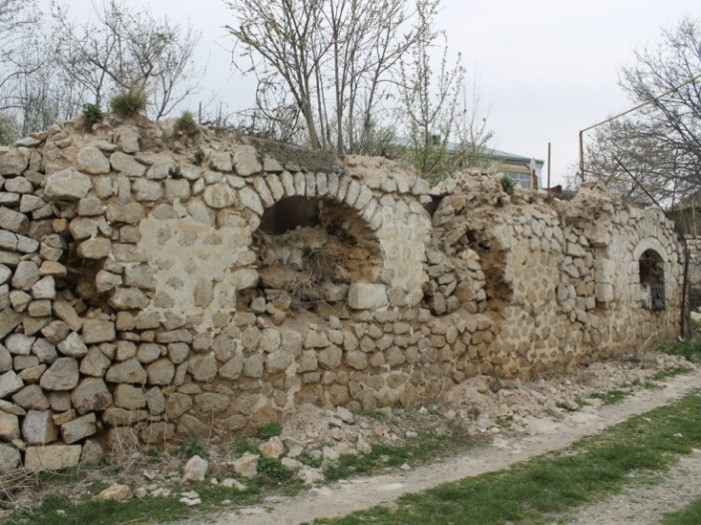
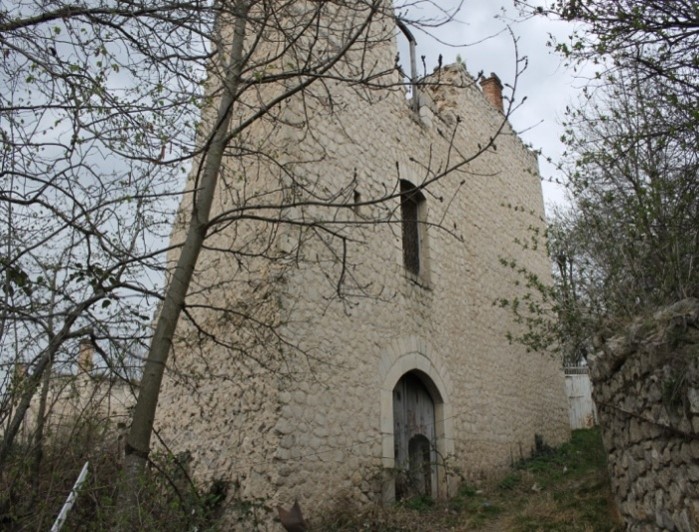
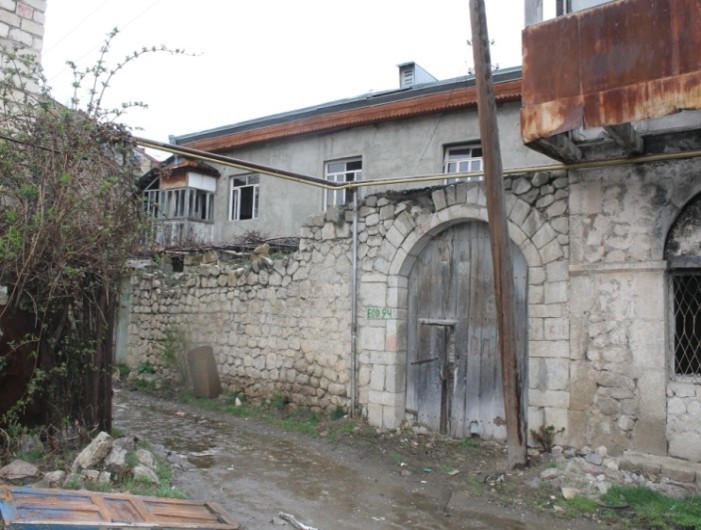
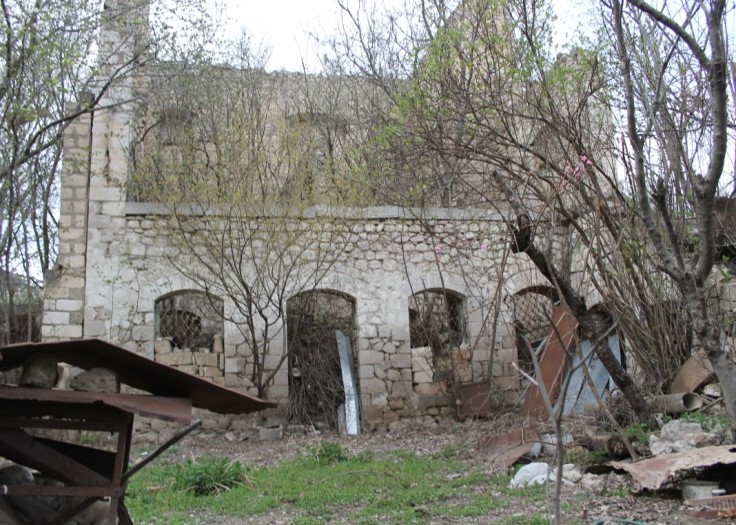
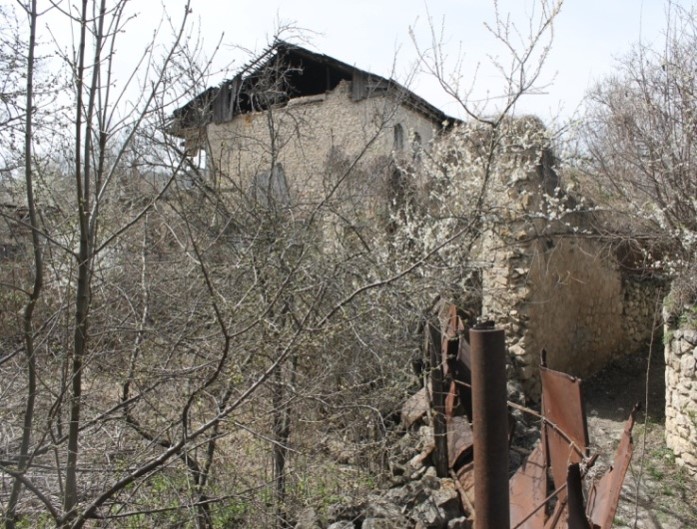
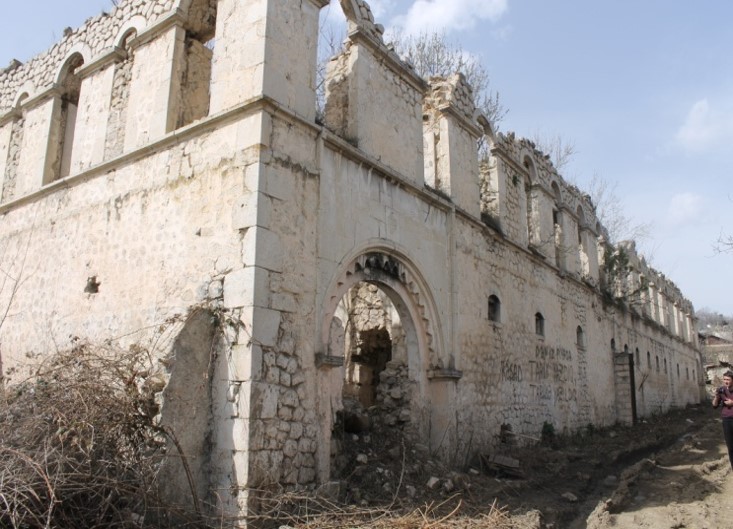
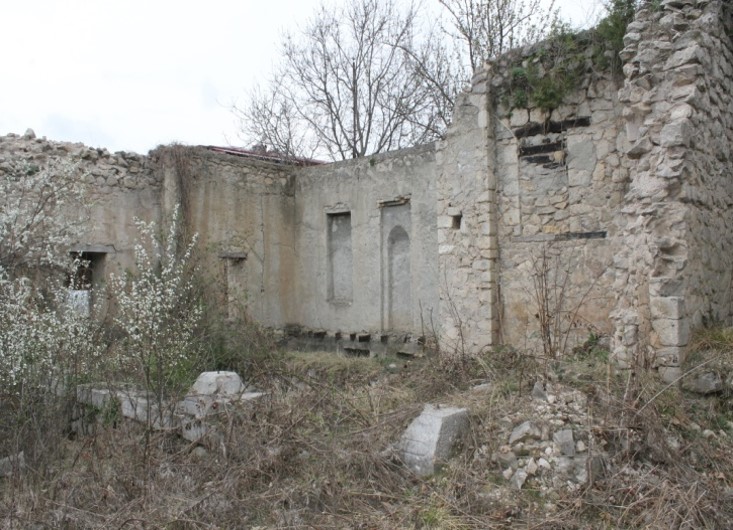
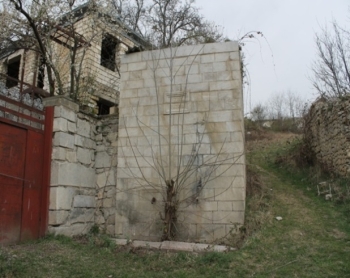
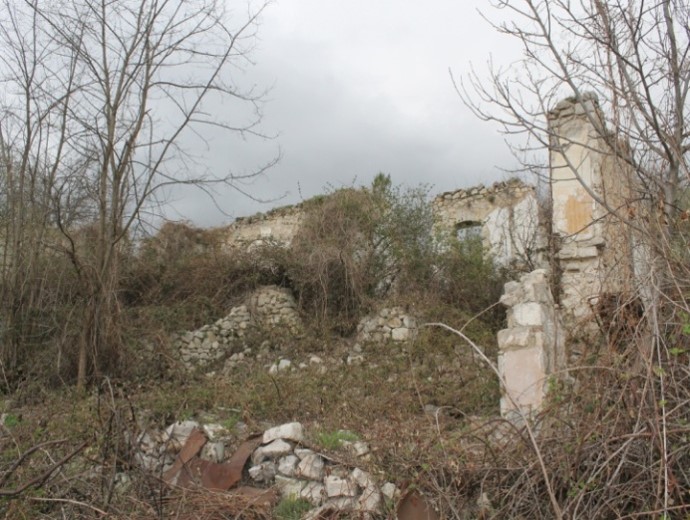
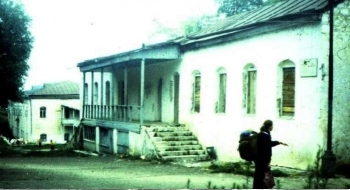
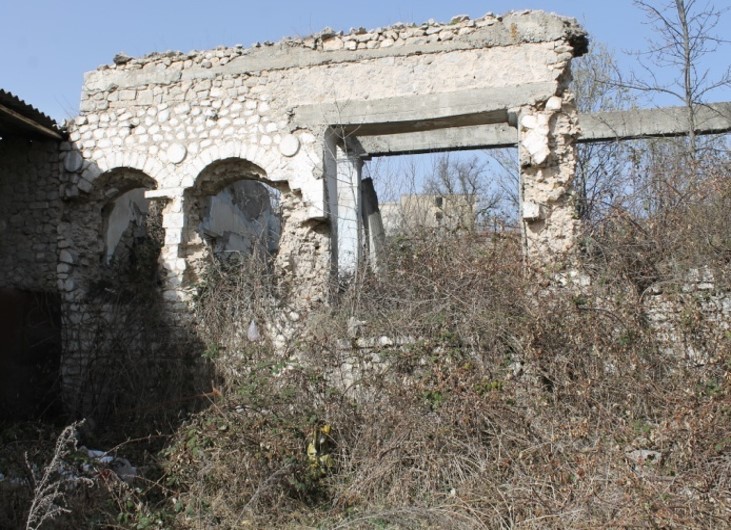
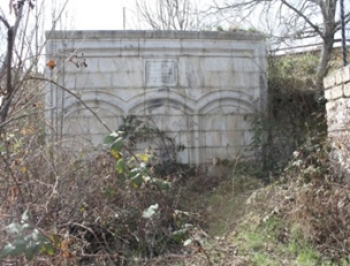
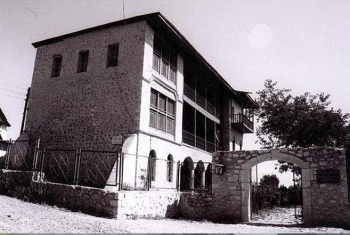
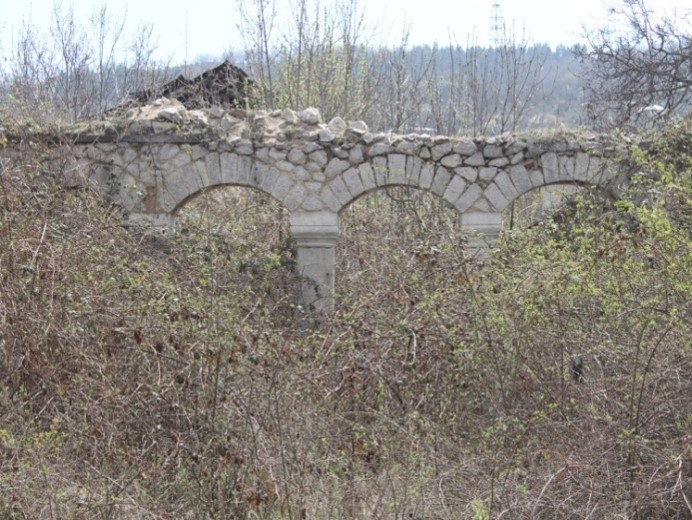
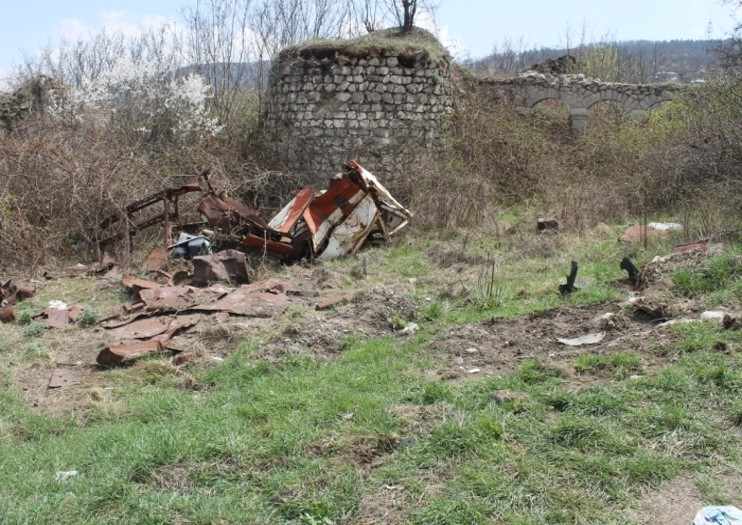
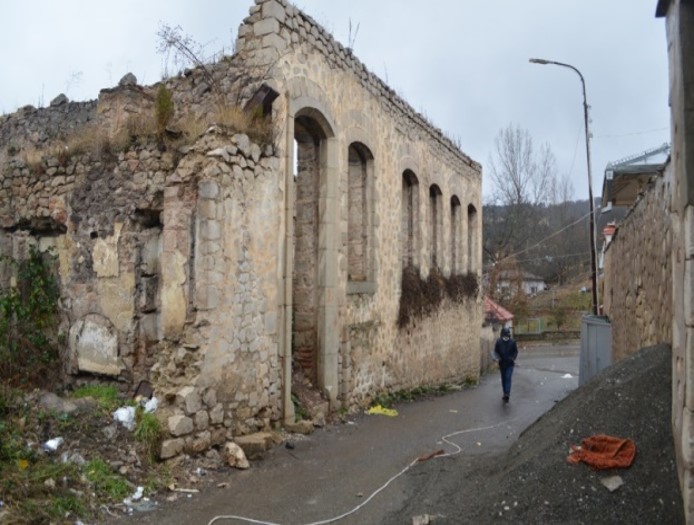
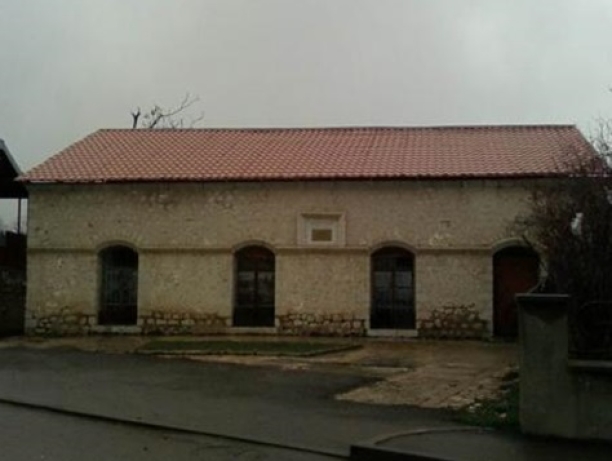
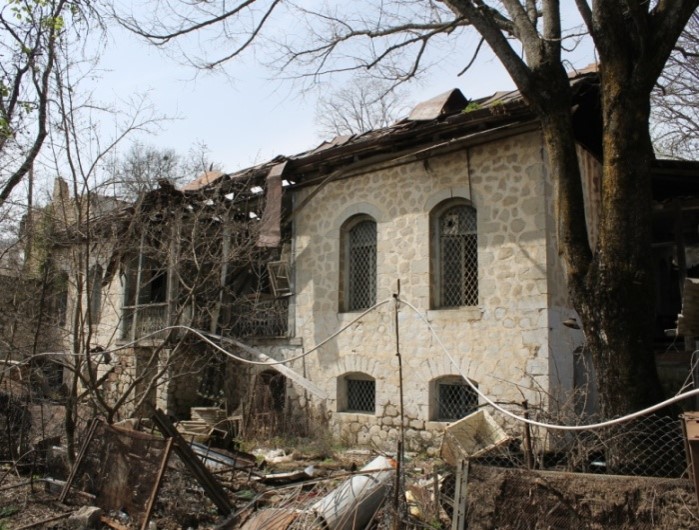
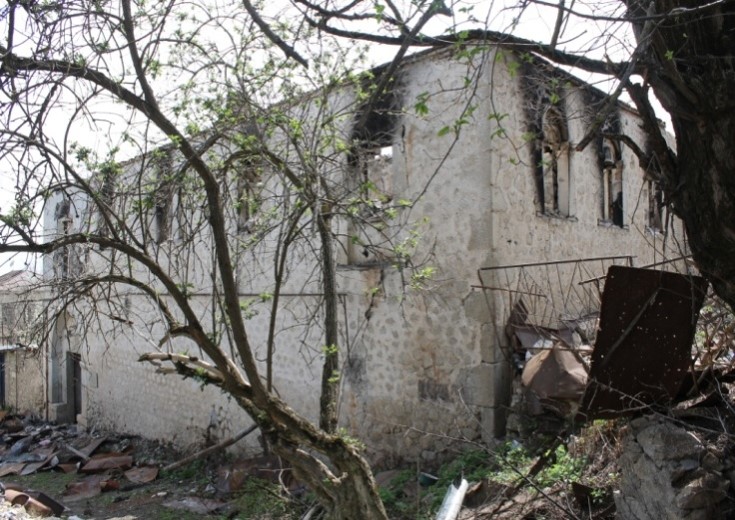
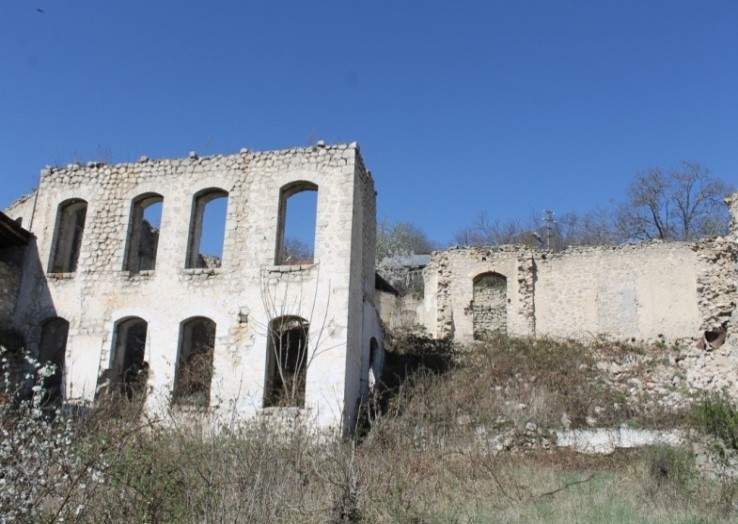
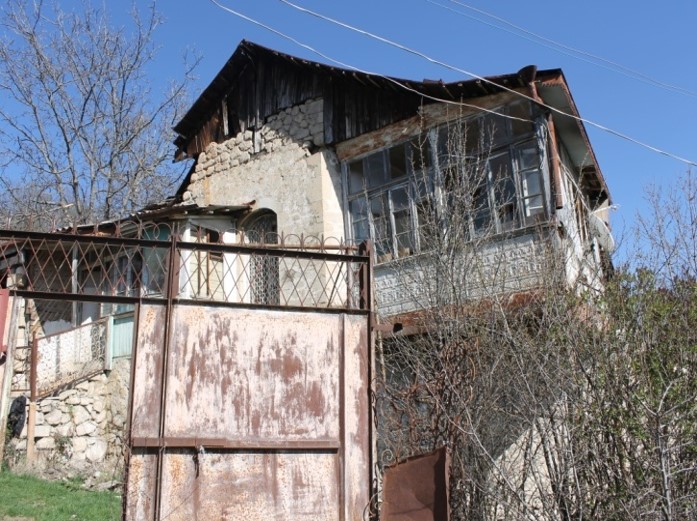
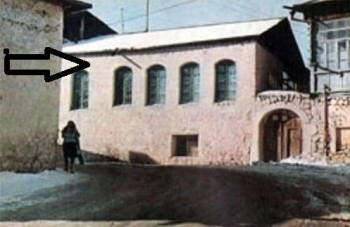
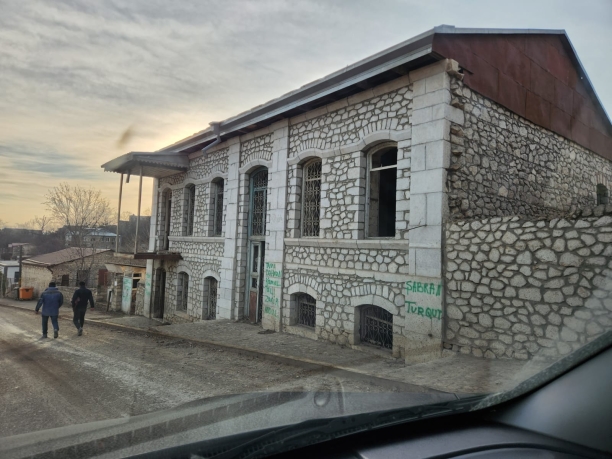
Shusha Prison was built in 1872 during the reign of Tsarist Russia in Azerbaijan. It is believed that Khan’s daughter Khurshidbanu Natavan also played a role in the construction of the prison for the charity purposes. The prison building located in the northeast direction of Shusha fortress forms a special complex surrounded by the fortress walls. The third gate of the city, Aghoghlan Gate, was incorporated into the prison wall in the 19th century. Only a niche-shaped remnant of the gate has survived to the present day. The prison building served as a prison throughout its history from the 19th century until the occupation period. During the occupation, it again served as both a prison and a place where military hostages were held. Although the prison was initially designed to hold 350 prisoners, the complex was reportedly later expanded significantly with additional buildings to accommodate more prisoners. According to sources, the prison had 99 detention cells. Of these, 96 were used to hold prisoners, while 3 served as punishment rooms. Inmates were assigned to cells based on the articles under which they were convicted. Some cells held 2–3 prisoners, while others accommodated many more—sometimes 30–40 people. Alongside men, there were also a small number of female inmates. Shusha Prison was considered one of the most dreadful prisons during both the Russian Empire and the Soviet era. In the Soviet period, this prison operated as a closed-type correctional facility and mainly housed inmates who had committed serious crimes. Criminals from various republics of the Soviet Union were brought here. Notorious figures of the criminal world such as Korzuby Vagif, Razboynik Chingiz, Malysh Sohbat, Tengiz, and Lotu Hikmat served their sentences here.
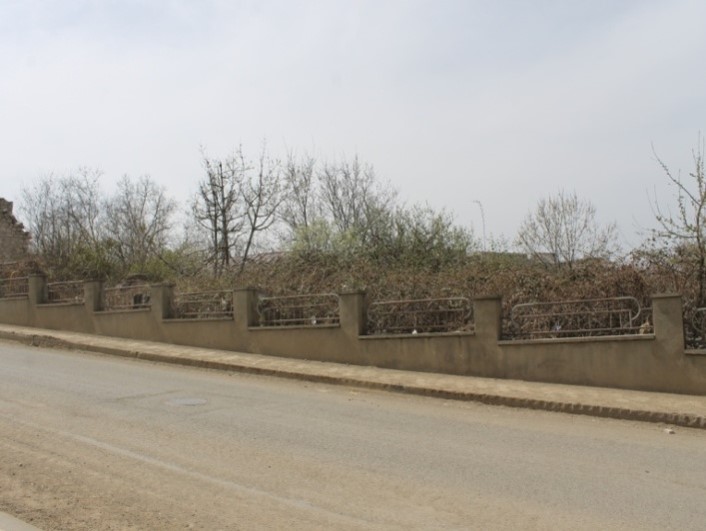
Until the occupation of Shusha, this prison was called Shusha Detention house No. 1. On May 8, 1992—the day the city was occupied—the head of the detention center released 36 Azerbaijani prisoners just a few hours before the occupation, offered them the chance to take part in the defense of the city. The released prisoners took up arms and fought; later, several of them were pardoned for their bravery, while others had their sentences reduced. One of the fiercest battles for Shusha took place in the prison area, where several soldiers, civilian fighters, and two prison officers were martyred during the fighting. Shortly after the occupation of the city of Shusha on May 8, 1992, the occupiers and separatists also used the prison for its original purpose. Azerbaijani prisoners and hostages were also detained and subjected to terrible torture. When Shusha was under occupation, Dilgam Askerov, originally from Azerbaijan but Russian citizen, and Azerbaijani citizen Shahbaz Guliyev were also held in secret cells in this prison. They were taken hostage by the occupying Armenian Armed Forces while trying to visit their ancestral homeland. After the liberation of Shusha, they also achieved freedom. Since 2020, several mass graves have been discovered in the prison area. It has been proven that the Azerbaijanis whose remains were found there were kept in inhumane conditions in the prison; some were killed as a result of horrific torture, some were killed deliberately.
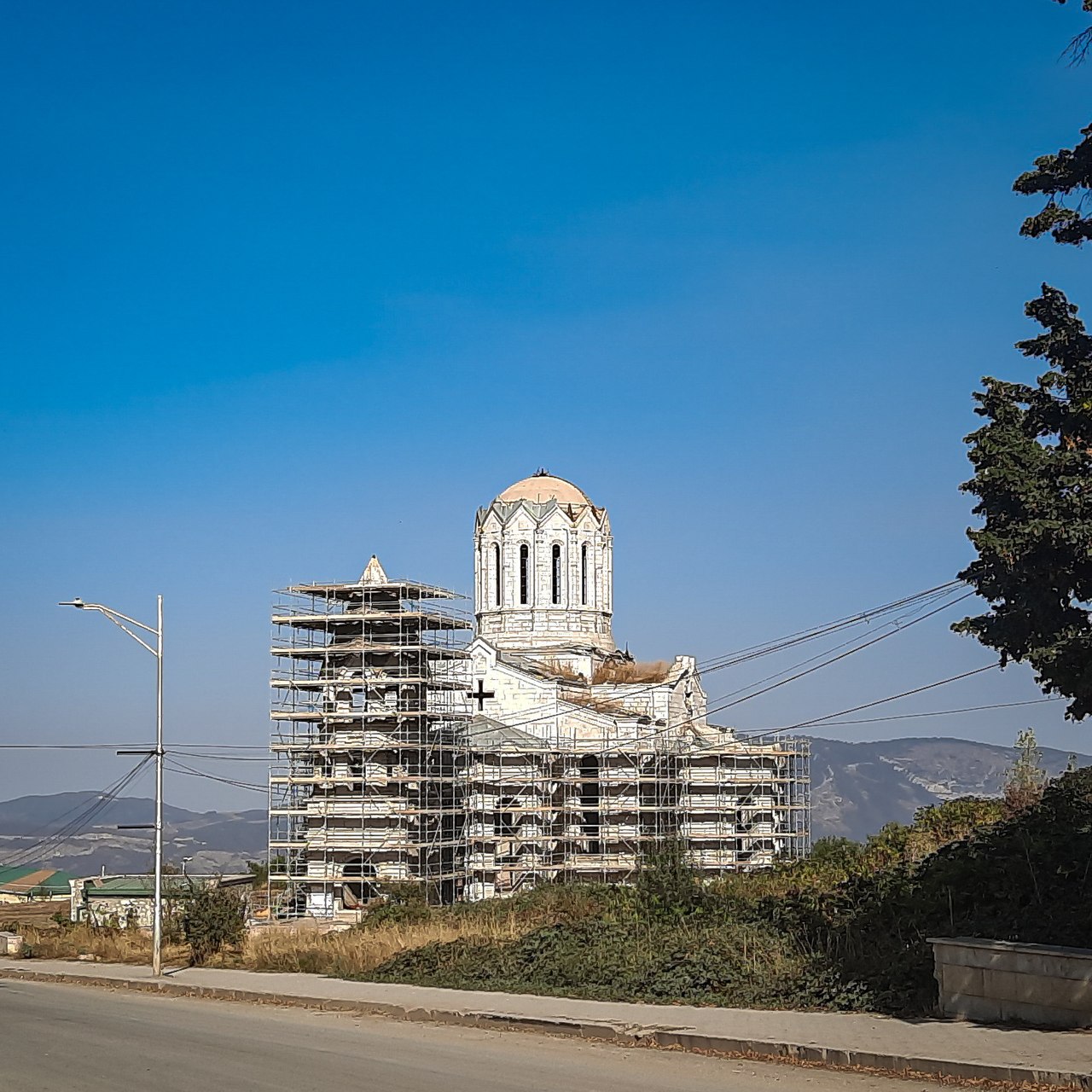
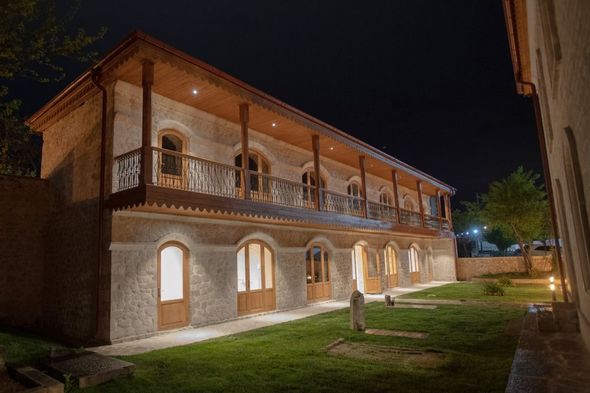
The prison is planned to be renovated and restored as a museum-monument.


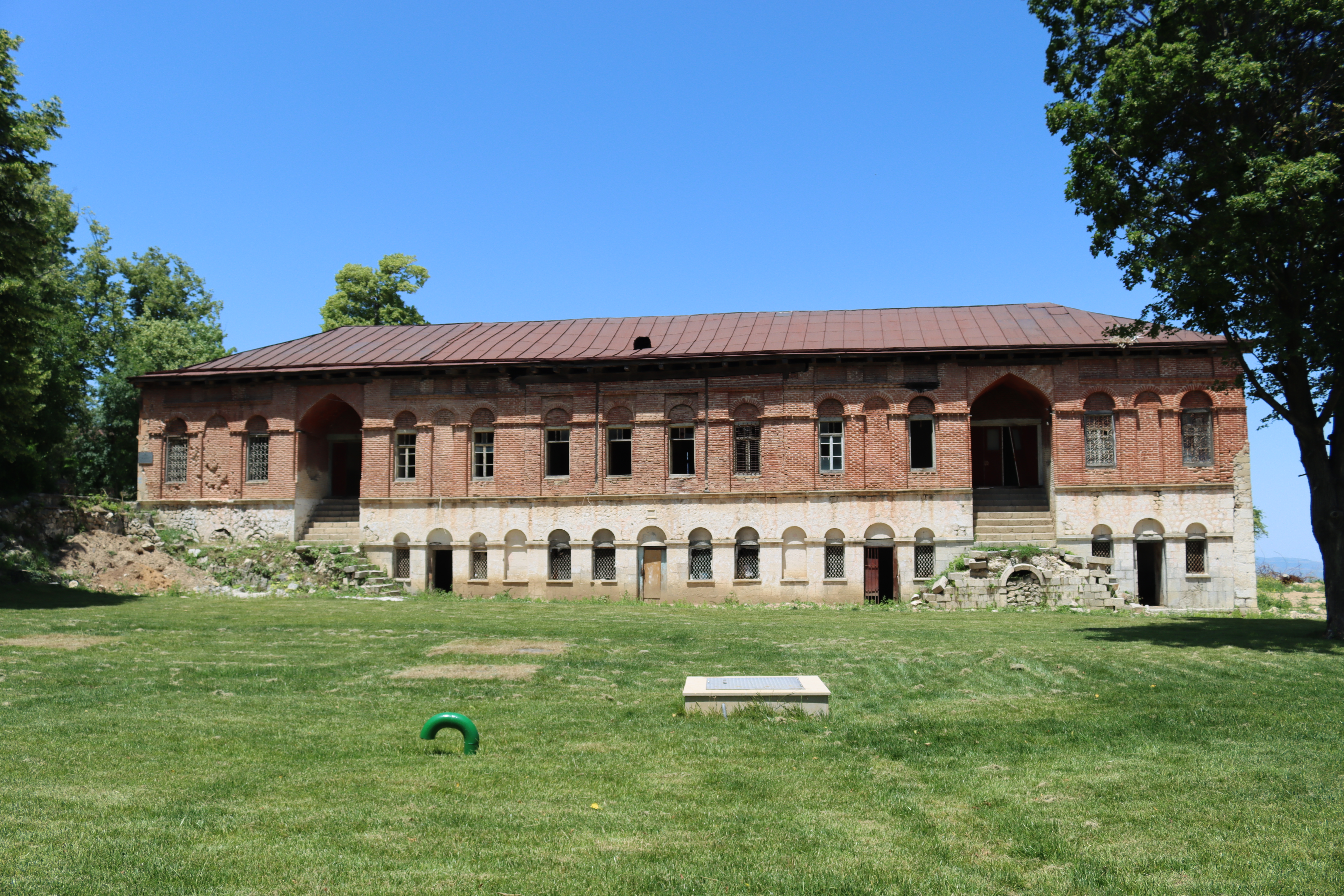
XVIII century architectural monument of national importance. Inventory number: 343
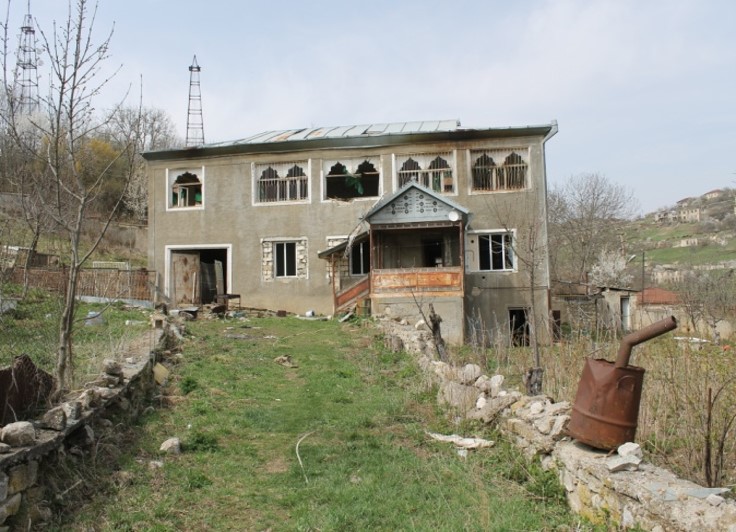
XVIII century architectural monument of national importance. Inventory number: 370
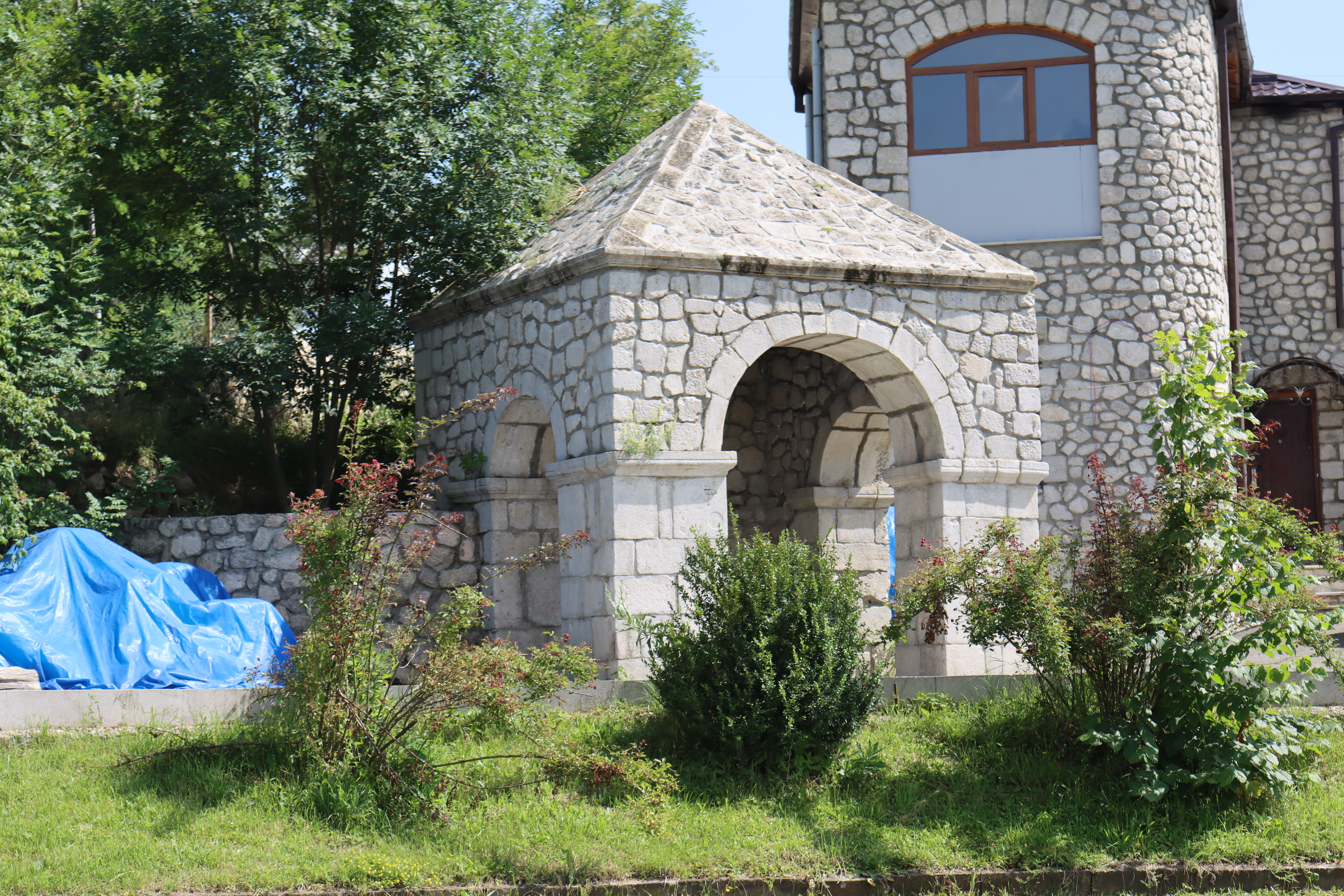
XIX century architectural monument of local importance. Inventory number: 5064
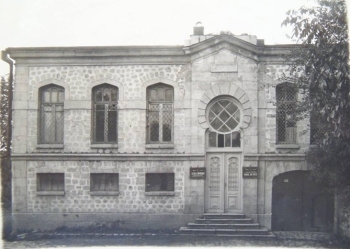
XIX century architectural monument of local importance. Inventory number: 5079
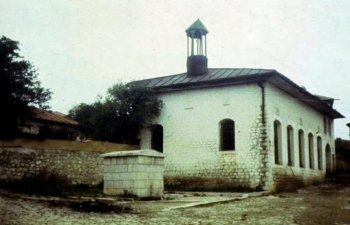
XVIII century architectural monument of local importance. Inventory number: 5089
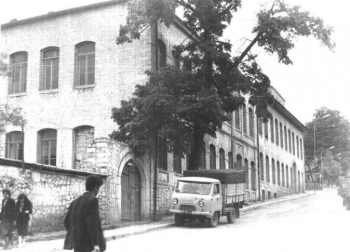
XVIII century architectural monument of local importance. Inventory number: 5098
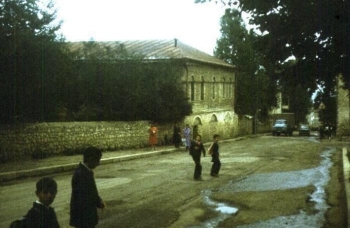
XVIII century architectural monument of local importance. Inventory number: 5100
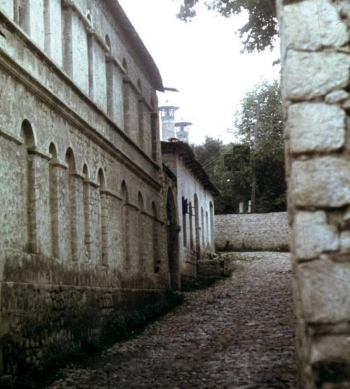
XIX century architectural monument of local importance. Inventory number: 5117
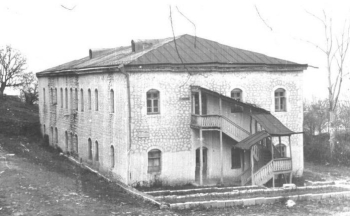
XIX century architectural monument of local importance. Inventory number: 5141